How to Ship Frozen Meat: Packaging and Coolant Choices
To ship frozen meat, start with properly frozen product and a repeatable insulated packout. Choose the cooler, coolant and carrier service together. Test that combination against the conditions your orders will face.
A delayed meat order leaves your team checking product condition, resolving the order and finding the cause. A written packing method helps you trace those failures and repeat what works.
LoBoy supplies meat-shipping coolers and reusable gel packs. We help you compare packaging. Your team sets and tests the process that keeps the meat at its required temperature.
For the wider packaging decision, use How to Ship Perishables. Mixed frozen-food programs can also use the frozen-food shipping guide.
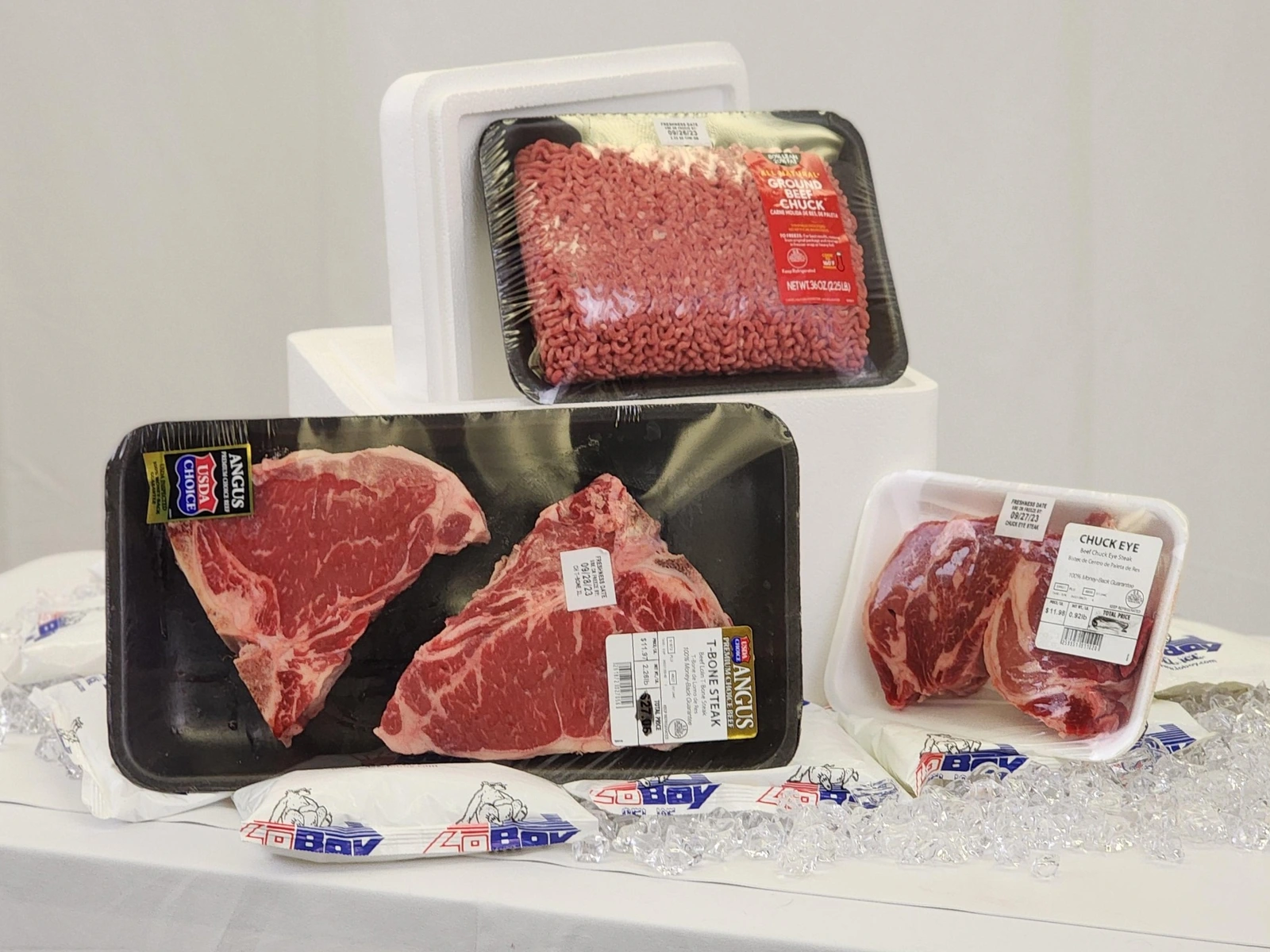
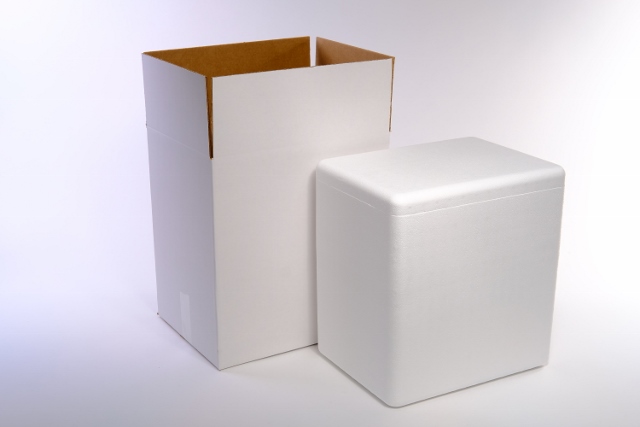
Define the order you are packaging
A flat steak order and a mixed box of roasts can need different arrangements. Record the largest item dimensions, complete order weight and protective packaging. Include coolant space before selecting the cooler.
Define the required arrival condition separately from the shipping-label description. Set a clear frozen-quality standard for the meat your customer expects. A vague promise that the package will be cold is insufficient.
Size a complete order before choosing a cooler
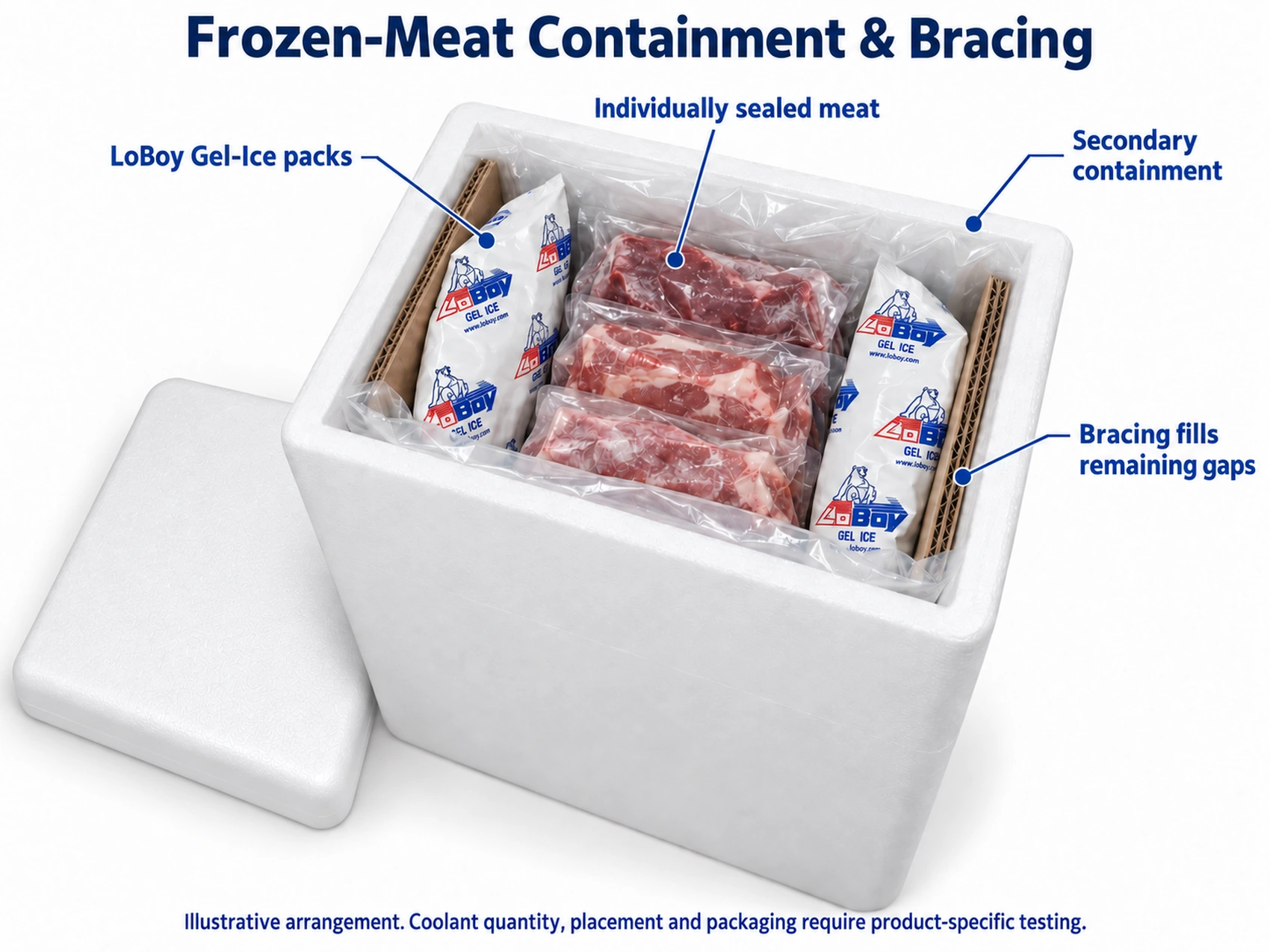
Consider an order containing flat steak packs and a taller roast. Measure the wrapped products in their planned arrangement. Include the leak barrier, protective material and coolant positions. The tallest wrapped item may determine the required depth even when most packs lie flat.
Compare that complete arrangement with the cooler's usable inside dimensions. Compare each inside dimension with the complete wrapped load. A stated capacity in quarts does not show whether a particular roast or stack will fit.
Build a sample using the actual components before committing to a container size. Confirm that the lid closes without compressing seals or displacing coolant. Photograph the arrangement and record the component list. This gives the packing team a repeatable reference rather than an estimated fit.
Protect the meat inside the insulated shipper
Inspect primary packaging before loading. Add a suitable leak barrier and protect the seals from rubbing. Use absorbent material to catch small amounts of moisture inside the pack.
Arrange cuts so they cannot slide into pack seams or damage neighboring items. Avoid forcing oversized products into a cooler. Confirm that the lid seats fully over the complete product and coolant load.
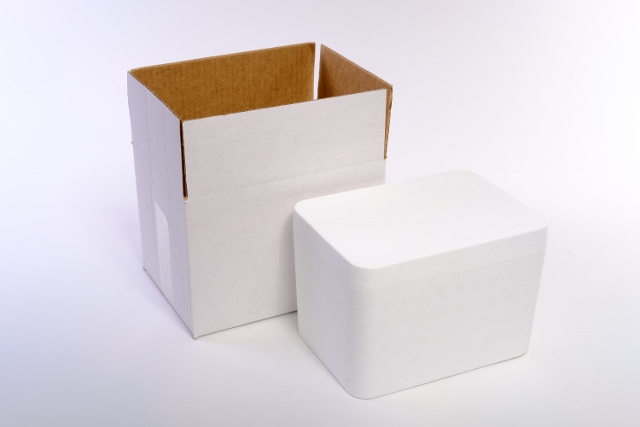
For the container itself, compare LoBoy shipping coolers using usable internal dimensions. Leave enough space for the planned coolant arrangement.
Choose the meat-shipping coolant
Dry ice and gel packs require different packing decisions. Dry ice can support frozen shipments, while gel-pack performance depends on the complete configuration. Do not assume a standard gel pack will maintain every meat order frozen.
If dry ice is already your selected method, use Shipping Frozen Meat With Dry Ice. For chilled-meat applications or an evaluated gel-pack system, review gel packs for shipping.
Compare LoBoy reusable gel ice packs only after defining the product condition and packing method. The general dry-ice guide covers the method’s additional handling requirements.
Keep the meat temperature, coolant preparation and packing steps the same during each test. Change one factor at a time so you can find the cause of a failure.
Confirm carrier requirements before packing
Confirm that the selected carrier service accepts the destination, meat products and coolant. Check collection cutoffs, required labels and the planned delivery date before releasing the order. Dry ice adds preparation requirements beyond an ordinary parcel.
Use FedEx’s dry-ice shipping instructions for FedEx shipments. FedEx requires trained employees to prepare company shipments containing dry ice. Check the current marking, labeling and service requirements before dispatch. Another carrier may require different documents or handling.
Dry ice releases carbon dioxide gas, so the package must allow pressure to escape. Keep the meat sealed in its protective packaging, but never seal the dry ice inside an airtight bag or container. FedEx also requires foam insulation to allow gas release. Use the carrier-approved outer packaging and closure method for the complete shipper.
Pack the shipment in a controlled sequence
- Prepare the carton, cooler, containment and labels before removing meat from storage.
- Inspect product seals and add secondary protection where needed.
- Load the product and coolant in the documented arrangement.
- Stabilize the load and place monitoring devices according to the test plan.
- Close the cooler and carton while preserving dry-ice venting when applicable.
- Confirm package markings, collection timing and recipient details.
Do not adopt coolant quantities from an unrelated meat shipment. Changes in load, insulation and route exposure can change the result. Establish quantities through trials using your actual order configurations.
Test the order range before setting a shipping window
Document the smallest and largest orders the arrangement must cover. Test representative routes, seasonal conditions and the delay allowance your business needs. Record the starting product condition, coolant weight, container and component positions.
Set the pass-or-fail criteria before the trial. A remaining piece of dry ice or a cold gel pack cannot describe every part of the meat load. Use the measurements required for your meat products. Keep the packing instruction supported by successful trials.
Keep a trial record the packing team can use
Assign each trial a package version and an order description. Record product weights and dimensions, starting temperatures, coolant preparation, coolant weight and cooler identification. Include the outer carton, protective materials and the location of each monitoring device.
Record the packing time, collection time and receipt time separately. Compare the measured results with the acceptance criteria set before the trial. Note where the result failed, rather than describing the entire package as simply warm or cold.
Use separate records for minimum and maximum orders. If a subscription substitution changes the load, check whether it remains within the tested arrangement. A successful trial for one configuration does not establish performance for every box your business ships.
When a trial fails, document the change before repeating it. Changing the container, coolant and product arrangement together makes the cause harder to identify. Retain failed results alongside successful ones so the team knows the limits of the instruction.
Check the release conditions for each shipment
Before dispatch, compare the order with the approved packing instruction. Confirm the product condition, component quantities and package version. Check that the collection cutoff and receiving arrangements still support the planned transit window.
Pause release after a missed collection or a change in receiving plans. Review the shipping window before proceeding. Do not assume the original shipping window still applies. Give the packing team a named person to contact when an order falls outside the documented process.
Plan for the receiver
Confirm the delivery address and expected receiving arrangements. Provide storage directions and a clear method for reporting problems. Track exceptions so customer service can respond before the issue becomes a repeat failure.
FoodSafety.gov’s shipped-food guidance calls for a food-thermometer check on arrival. It says shipped perishables should arrive frozen, partly frozen with visible ice crystals, or at 40°F or below. Food that meets that general receiving guidance may still miss your promised frozen-quality standard.
Tell the receiver to inspect the packaging and check the meat promptly. After confirming safe arrival temperature, store the food in a refrigerator or freezer promptly. If it arrives above 40°F, notify the supplier and do not eat or taste it to assess safety. Appearance and smell cannot establish that it is safe.
Record the package version when investigating an arrival complaint. Compare the order, coolant amount, service and weather. These details help separate packing errors from route problems.
Investigate an arrival that misses the frozen-quality standard
Give the receiver clear arrival-check instructions. Ask for the order number, receipt time and measured condition when reporting a problem. Keep food-safety concerns separate from complaints about frozen quality. A customer-service credit does not establish whether the food is safe to use.
Compare the reported result with the trial record for that package version. Check for an incorrect load, a component substitution, a missed collection or a delivery exception. Record the known facts and open questions before assigning a cause.
Use the findings to decide which part of the process needs another trial. An isolated complaint may reveal a packing error; repeated exceptions may require a different configuration or service plan. Update the written instruction only after reviewing the supporting evidence.
Can you pack and ship frozen and fresh meat together?
Yes, a combined shipment is possible when the packing arrangement maintains both products at their required conditions. Plan separate protection for frozen meat and fresh meat intended to remain chilled. Putting both into one cooler does not establish that the frozen portion will stay frozen or that the chilled portion will avoid freezing.
Use separately protected inner packages or compartments where appropriate, and verify the conditions in each product zone across the planned shipping window. Keep meat sealed and provide suitable leak containment. If the arrangement cannot maintain both requirements, use separate shipments. The refrigerated-food guide covers the chilled side; the frozen-meat instructions on this page cover the frozen side.
Frozen meat shipping questions
Is overnight service always enough?
The service name does not verify product condition. The package must protect the meat through the actual collection-to-receipt window, including the delay margin you establish.
Can I reuse a successful configuration for smaller orders?
Check the defined order range first. A smaller payload changes the arrangement and may change the temperature profile. Test representative minimum and maximum loads.
Match the meat order to a packing family
Keep beef, pork, poultry and game descriptions tied to the wrapped products you actually ship. Flat steak packs and bulky cuts can need different support even at similar order weights. Inspect seals and any rigid or projecting edges before selecting the container.
Use the specialist guides when the order needs a narrower instruction:
- How does the full window affect meat arrival? Frozen-meat duration
- Packing checks for monthly product substitutions: Meat subscription boxes
- Packaging choices for whole birds and portions: Poultry packaging
- Protection for flat retail meat packs: Shipping steaks
- Packaging checks for game shipments: Shipping venison
Before ordering containers, use the full-packout sizing guide. The measurement must include coolant and protection. Select the container using the complete packed dimensions rather than meat weight alone.
Compare the complete cost of a meat shipment
Compare packaging, coolant, labor and transportation with the perishable shipping costs guide and sample cost worksheet. Use your actual meat-order dimensions and current carrier quotes.
Compare shipping options after the package meets the meat's required condition. Weigh and measure the loaded outer carton, including coolant and protective layers. Use those details when requesting rates for the actual route and service.
A heavy roast order and a flat steak order may use different containers even when their meat weights are similar. Compare the full packed size and weight for each order family. The meat's net weight alone cannot describe the parcel you hand to the carrier.
Count the cooler, outer carton, coolant, leak barriers, padding and packing time. Include carrier charges when comparing complete options. A lower cooler price can lose its advantage if that layout needs more support, coolant or staff time.
Keep cost comparisons tied to the same arrival standard and shipping window. A cheaper service that falls outside the tested window is a new plan to assess. Record trial results alongside costs so the final choice reflects both product condition and operating needs.
Find the cooler that fits your meat orders
Bring your packed dimensions, order range and planned coolant to the LoBoy Client Solutions Team. Include the largest wrapped cut and the space needed for protection. These details help narrow the packaging options before you order trial containers and validate the complete meat-shipping system.