Shipping Steaks: Protecting the Meat and the Presentation
When someone opens a steak delivery, they expect the meat to be in good condition and the order to look like something worth buying again. For a gift, that first impression matters even more. A crushed sleeve or leaking pouch can spoil the experience before anyone thinks about dinner.
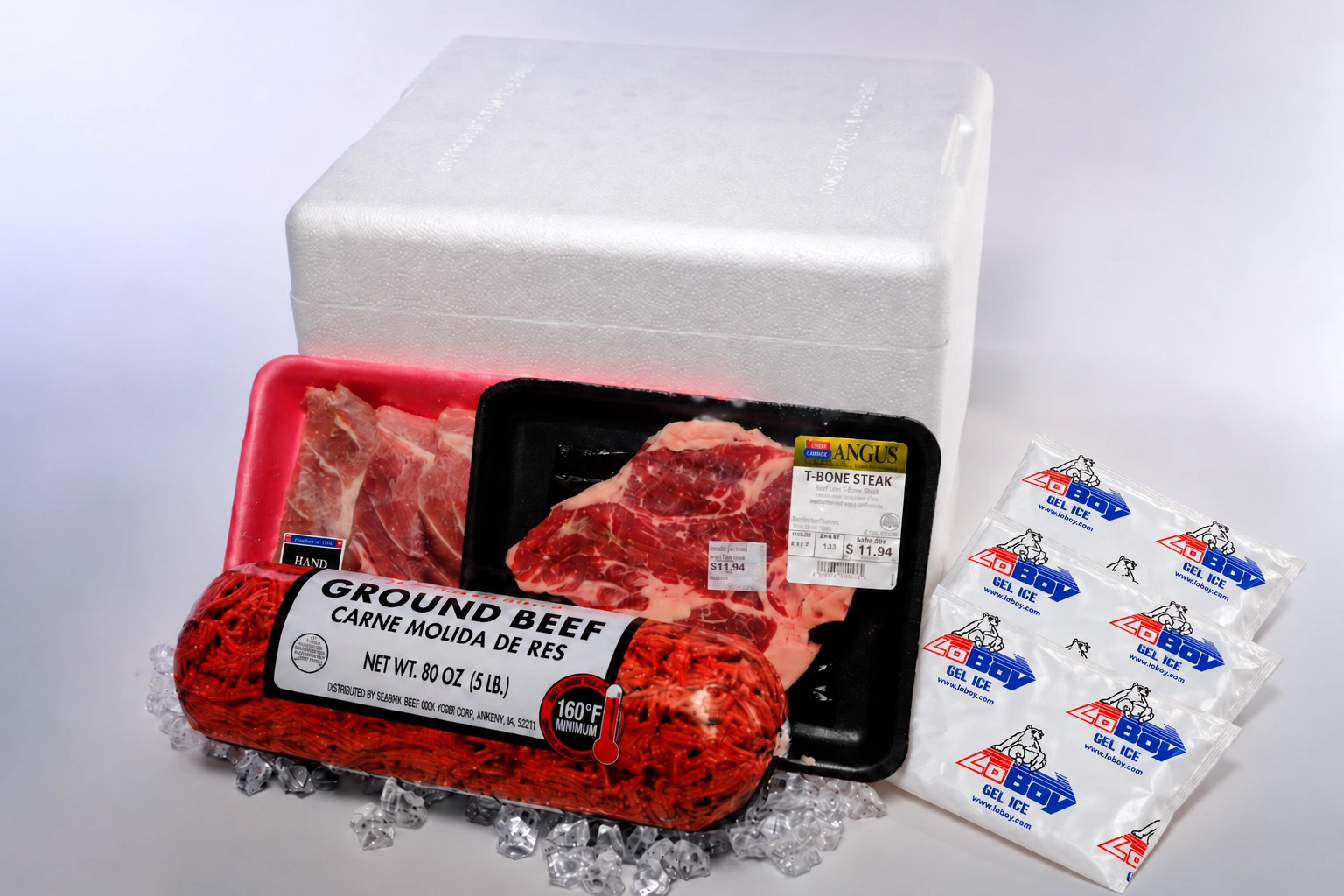
Getting that delivery right takes more than finding a cooler big enough for the steaks. You need room for the coolant, protection for the retail packs and an arrangement that holds together when the parcel is moved and handled. A thick bone-in steak may need different protection from a flat stack of boneless cuts, even when the orders weigh the same.
Start with the actual steaks and packaging you'll send. Work out how they fit together, then test the complete shipment for the deliveries you plan to offer.
First, decide whether the steaks will travel chilled or frozen
Make that decision before choosing your coolant or promising a delivery service. The package needs to keep the steaks in the condition you're selling. A setup that works for a refrigerated order hasn't necessarily shown that it can keep another order frozen.
Keep food safety and your quality promise clear in the testing plan. If you promise frozen steaks, your trial needs to show whether they stay frozen for the trip. A result that meets a general chilled-food receiving requirement doesn't answer that question.
Use the same starting condition in daily packing that you used in the successful trial. Changing how cold the meat is when it goes into the cooler changes the job the package has to do.
Look at the wrapped steaks before choosing the box
Put together a real order, including the pouches, trays, sleeves and any other packaging the customer receives. Measure that complete selection. The weight printed on a steak label won't tell you how tall the stack will be or whether a tray corner sticks out.
Check the seals and film before loading. A damaged pouch needs attention before shipping; the cooler can't repair it. Look at where each pack touches its neighbors, too. A heavy steak resting on the seal of a thinner pack may create a problem that isn't obvious in a quick overhead photograph.
For a small order, watch for gaps that let packs slide around. For a large one, check whether the stack leaves enough room for coolant and lets the lid close normally. Don't force the lid down onto the meat to make the order fit.
Give bone-in steaks their own fit check
A thick bone-in cut can change a box that worked well for flat boneless packs. Its outline may leave uneven spaces, press against nearby pouches or put a hard point close to a sleeve or cooler wall.
Try the actual wrapped cut with the protection you intend to use. Look at where those hard edges face and what can move against them. Then inspect the arrangement after handling trials for punctures, rubbed film and strained seals.
If damage appears in one place, work on that contact point. Adding padding everywhere can take up coolant space while leaving the original problem unresolved. Once you find an arrangement that works, show the protective material and its position in the packing directions.
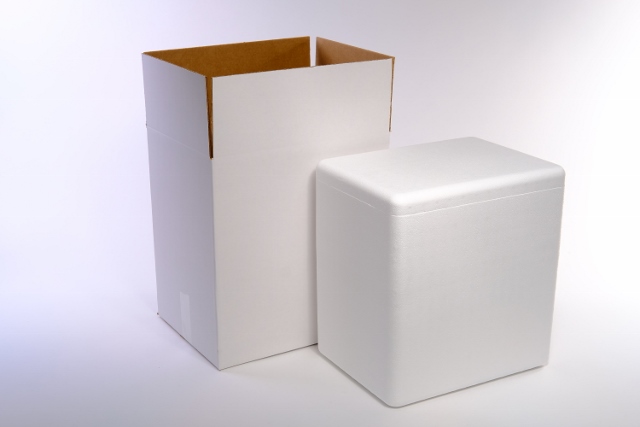
Browse LoBoy shipping coolers
Leave room for the coolant from the beginning
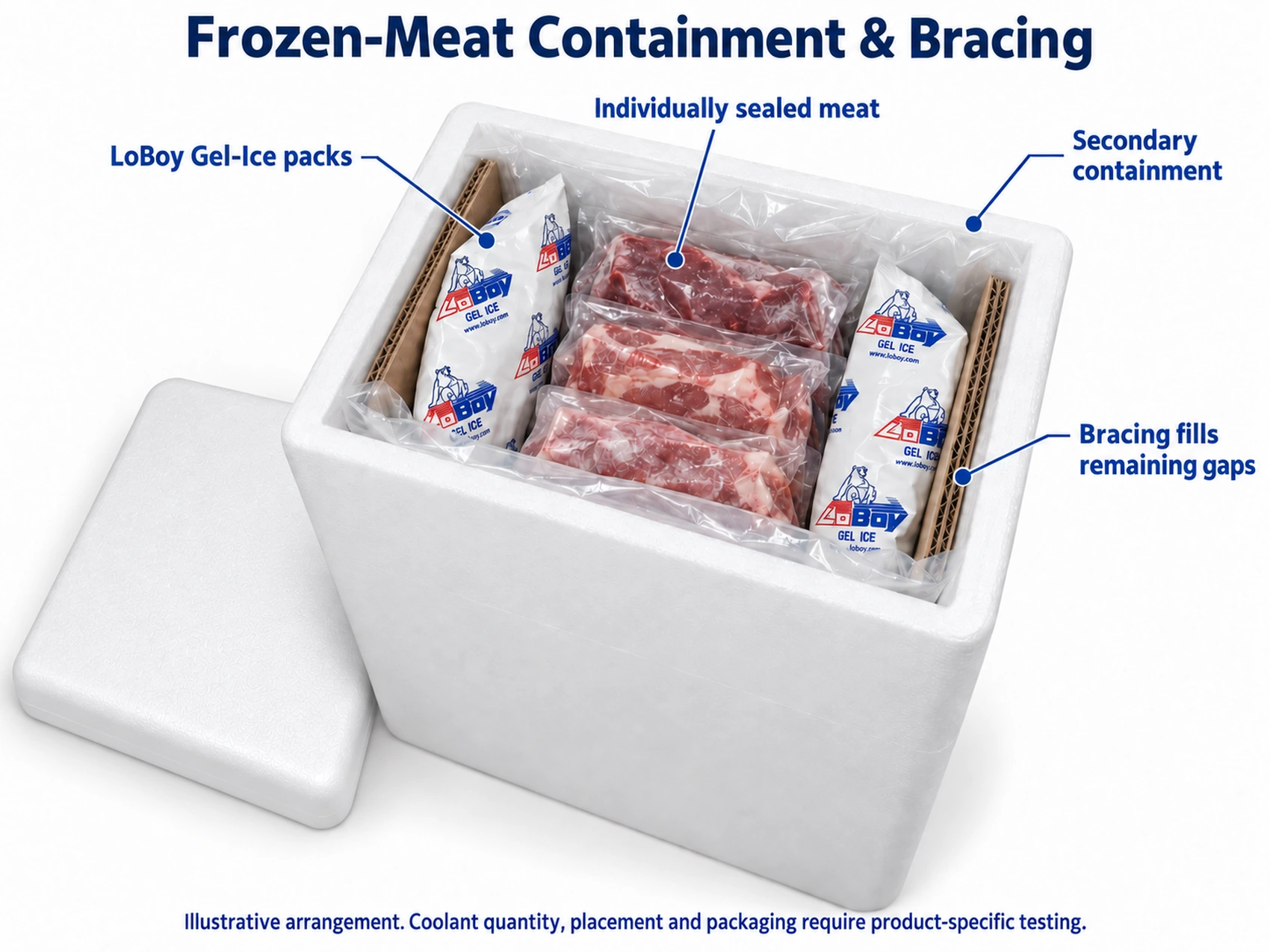
Fit the steaks, protective layers and coolant together as one package. If you arrange the meat first and put coolant wherever it happens to fit, the finished box can vary from order to order.
Choose coolant around the product's needs and the full trip. Gel packs and dry ice serve different purposes, and neither gives every steak shipment a fixed number of safe shipping hours. Test the choice with your actual order, cooler and delivery conditions.
Write down the coolant type, amount, starting condition and placement used in the trial. Keep those details with the packing instructions. Moving or reducing the coolant to squeeze in another steak changes the arrangement you've tested.
If you use dry ice, include safe handling and gas release in your process, and check the carrier's requirements for the specific service. Keeping the steaks frozen and preparing a shipment the carrier will accept are both necessary parts of the job.
The cooler-sizing guide can help you work through the complete fit. The frozen-meat guide connects that choice with packing and receiving decisions.
Test the delivery, not just the packing-table photo
A neatly packed cooler shows how the order started. To find out how it is likely to arrive, test the complete shipment under conditions similar to the route and handling you expect.
Use real sealed steak packs and all the components you plan to ship. Photograph the layers before closing the box, and record the cuts, quantities, starting food condition and coolant arrangement. Include the smallest and largest orders, plus combinations that create different packing problems.
Plan where and how you'll measure temperature before the trial begins. Packs near the outside of a load may experience different conditions from those in the center. Air temperature inside the cooler doesn't necessarily describe the temperature of every steak.
When you open the test parcel, compare it with your starting photographs. Did packs shift? Did a seal rub against an edge? Did the gift sleeve get crushed? Review those findings alongside the food-temperature results. You need to know whether the shipment protected both the meat and its packaging.
Count the waiting time on both ends of the trip
A carrier's transit estimate covers only part of the time your packaging needs to protect the steaks. Include packing, the wait for pickup and the time between delivery and the recipient bringing the box inside.
Consider the route and season when setting up trials. Mild-weather results don't establish how the same package will perform on a hotter route. Include the delays your shipping offer needs to accommodate, and keep the available services and destinations within the conditions you've evaluated.
Decide what your team should do when an order falls outside that plan. They may need a different service or packaging arrangement. Make that decision before the box is packed and waiting to leave.
Include gift packaging in the test box
If you're selling a steak gift, test it with the sleeve, card, retail box and inserts the recipient will receive. Those pieces share space with the food and coolant. A larger sleeve can change the fit under the lid, while a rigid gift box can change how the steaks are supported.
Open the trial parcel as a customer would. Check for crushed corners, damp paper and displaced cards. Make sure the storage directions are easy to find and haven't disappeared beneath the presentation materials.
If you change the gift packaging later, check the new version in the complete shipment. A more attractive retail box still needs to fit without squeezing the food packs or taking away space the coolant needs.
Remember that the buyer may not receive the gift
A buyer can choose the steaks and pay for the order while someone else has to bring the delivery inside. Make sure the person receiving the food gets the delivery notice and handling instructions.
Confirm the address, service and dispatch timing before promising an arrival. Give the recipient a clear way to report a delay, damaged pouch or concern about the meat's condition. A gift message shouldn't be the only information they find when opening perishable food.
Follow your food safety process when arrival conditions are uncertain. Don't ask someone to rely on smell, appearance or a taste test to decide whether meat is safe. A refund or replacement addresses the purchase; it doesn't establish whether the original steaks should be eaten.
Write packing directions people can follow without guessing
Show which cuts, pack formats and order sizes each arrangement covers. List the cooler, carton, protective materials and coolant, then explain the loading steps in order. Use photographs of the real layers so someone can see where each piece belongs.
Ask someone who didn't design the package to build a sample from those directions. If they hesitate or need an explanation, improve the instructions before relying on them during a busy shipping day.
Keep the current version at the station and retain older versions for investigating past orders. Before closing each cooler, check the contents, seals, protective pieces, coolant and lid fit. After closure, check the address and shipping service. Record which packing version was used so you can find it later.
Check changes even when the order weight stays the same
Suppose your usual selection contains flat boneless packs, and a customer adds a thick bone-in steak. The order might still be within your normal weight range, but it now has a different shape. Try that combination with the planned coolant and protection before assuming the original directions cover it.
Adding more of the same steaks can also change the fit by making the stack taller. So can switching to a new tray without changing the food weight or item count. Compare the actual wrapped order with the arrangements you've tested.
Give staff a clear way to flag anything outside those arrangements. Removing coolant, substituting a similar-looking cooler or forcing the lid shut shouldn't become an improvised solution to an unexpected order.
Use customer reports to find what needs fixing
Keep the order details, packing version and delivery timing when investigating a problem. A torn pouch may point to rubbing or pressure. A temperature concern may lead you to the coolant arrangement, route conditions or time spent waiting.
Look for patterns before changing every box. If reports cluster around one bone-in cut, inspect that arrangement. If they follow longer delivery or receiving delays, compare those trips with what your packaging tests covered. Try the proposed correction and check the results before making it the new routine.
When comparing successful packaging options, consider the full cost: cooler, carton, coolant, protection, labor and carrier charges for the finished parcel. A cheaper component may save little if it increases packing time or requires a larger shipping box. Review later cost-saving changes for their effect on the complete package.
Bring the whole steak order into the cooler discussion
Show the LoBoy Client Solutions Team what you're actually sending: wrapped steaks, any bone-edge protection, gift packaging and the space needed for coolant. Those details provide a useful starting point for comparing LoBoy shipping coolers.
Then test the complete arrangement for your orders and routes. The meat-shipping guide walks through the wider process from preparation to receipt.