Gel Packs for Shipping: Selection and Packing Guide
Gel packs for shipping absorb heat inside an insulated package. Match pack size, preparation and placement to your product and shipping window. Frozen packs alone do not prove that every part of the load stays at the right temperature.
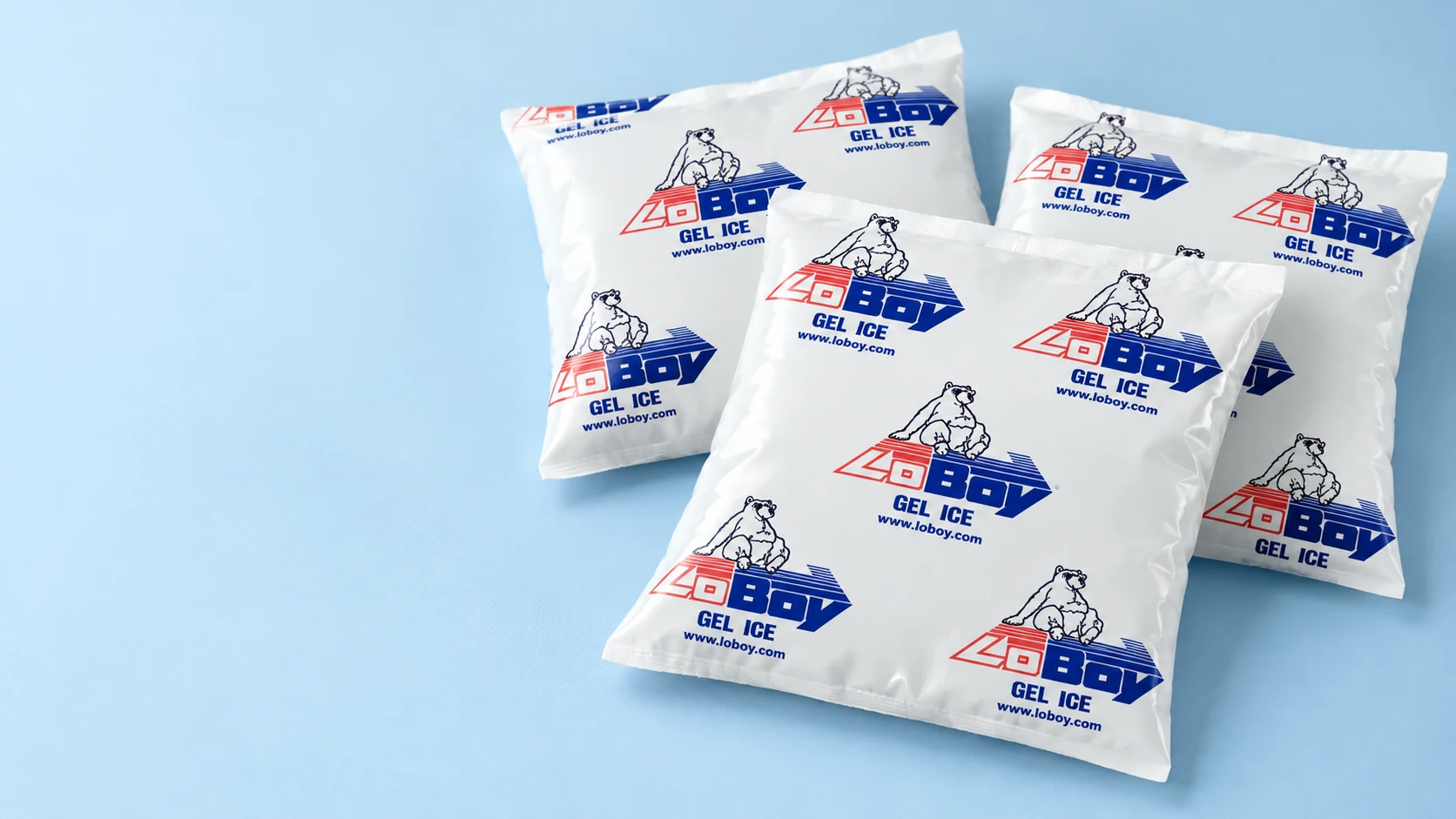
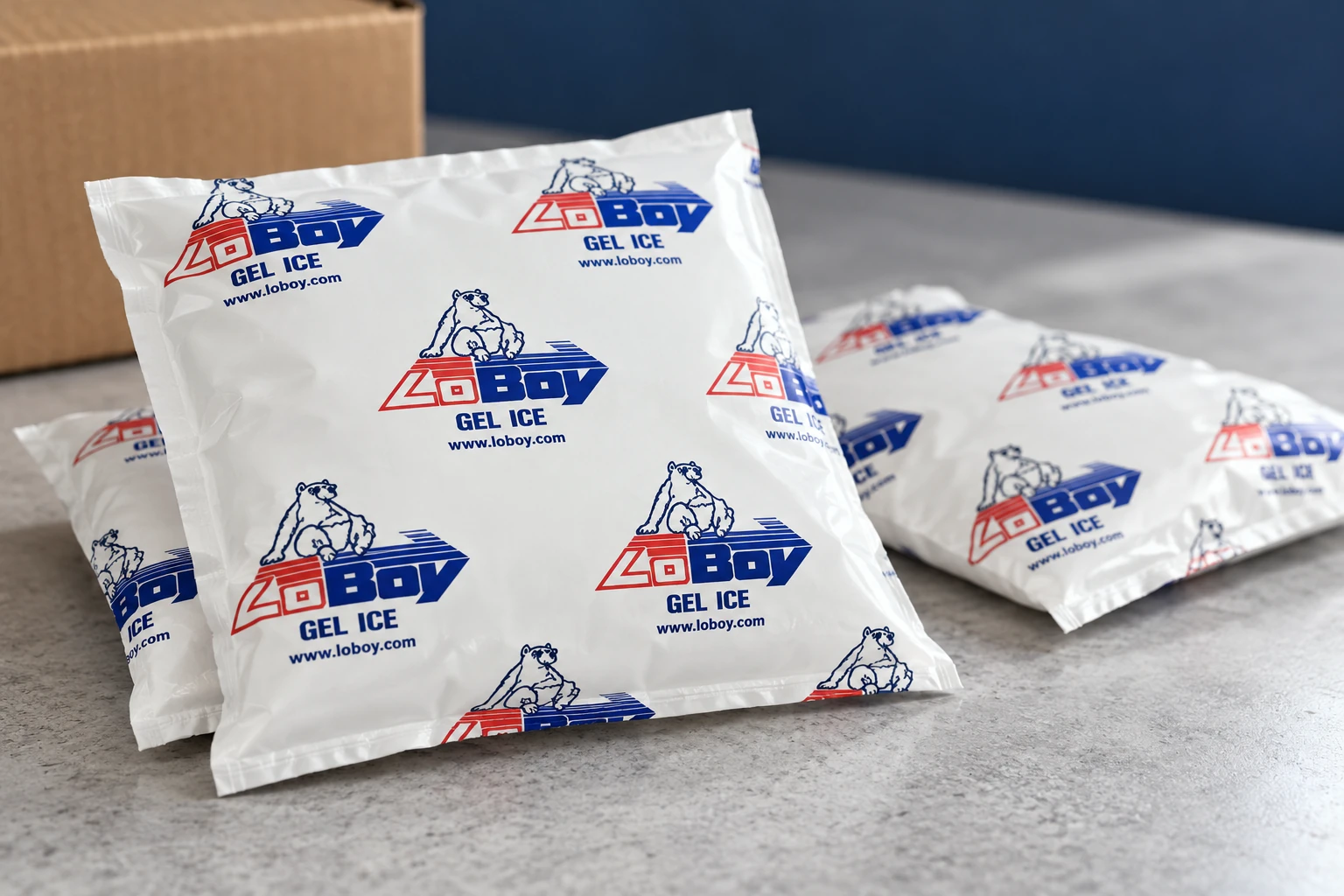
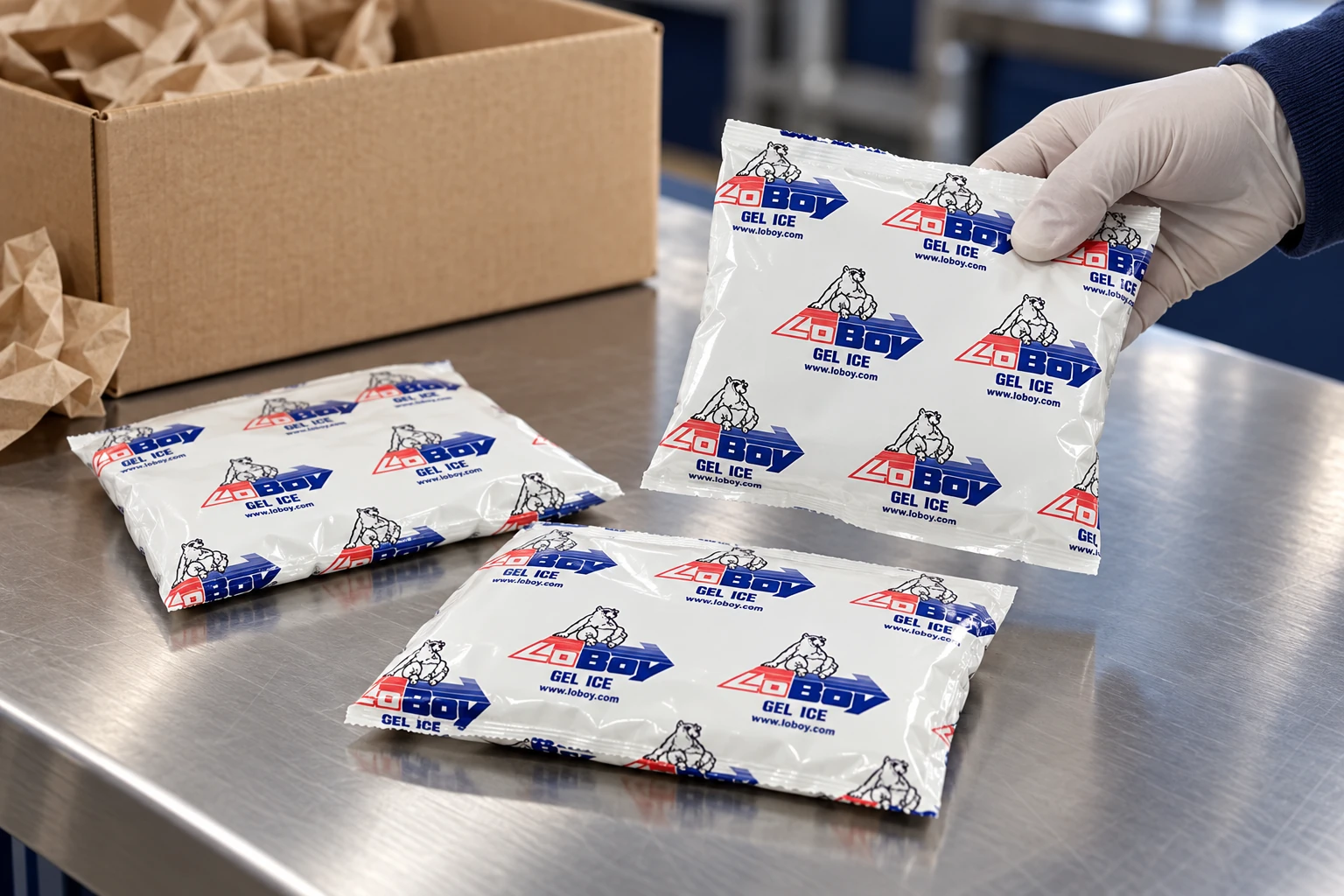
LoBoy supplies reusable Gel-Ice packs for shipping temperature-sensitive goods. Compare available formats when planning temperature control.
For the broader packaging decision, use How to Ship Perishables.
Start with the required product condition
Define the product's allowed shipping conditions first. Refrigerated food and frozen meat need different packing plans. Medical products require instructions for the exact product.
Test the complete package for cold spots and warmer areas; pack temperature alone cannot describe the product.
Chill or freeze products before packing
For shipping with gel packs, start with products already at their intended shipping temperature. If you want to ship frozen food, freeze it before packing. For refrigerated goods, chill them to the temperature specified for that product and keep them in appropriate storage until packing.
Warm products give gel packs extra heat to absorb before the shipment even leaves. Starting cold preserves more of the packs’ cooling capacity for heat entering during transit. Use the gel packs and insulated cooler to help maintain the starting temperature rather than relying on them for the initial chilling or freezing.
Select a pack format that fits the load
Check prepared pack sizes against the product layout and usable cooler space. A different format can change the fit.
Record coolant type and amount; review substitutions before use.
Ask suppliers about the formula and preparation of reusable cold packs. A water-based gel description cannot establish shipping life. Test the full cold chain package for sensitive products.
Pre-chill or freeze the gel packs consistently
Pre-chill or freeze the gel packs according to the coolant instructions before packing. Record the storage unit, pack layout, preparation time and conditions used in successful trials.
Keep prepared packs in controlled storage until needed. Inspect for damage and protect against sharp edges, including packs described as puncture resistant.
Set aside damaged packs and follow supplier disposal instructions. Extra wrapping cannot restore a leaking pack.
Plan gel-pack placement inside the cooler
Plan the load, coolant and protective layers together. Test coverage around the load; packs piled in one spot can leave other areas too warm.
Check for harm from direct cold contact. A chilled medical item may need a tested barrier specified by its packing requirements.
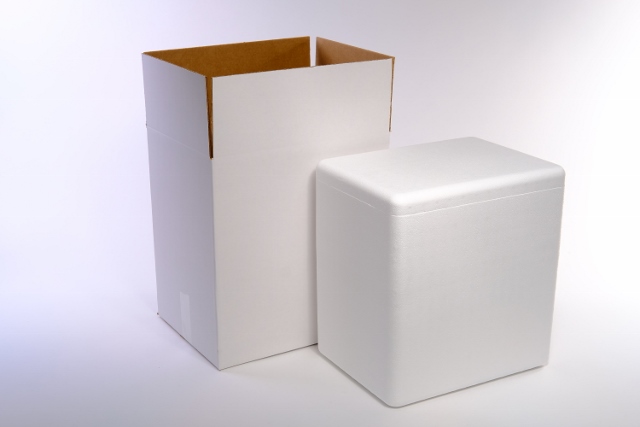
Use a fitted insulated shipping cooler that fits the complete arrangement. Fill movement gaps without squeezing packs or bending product containers.
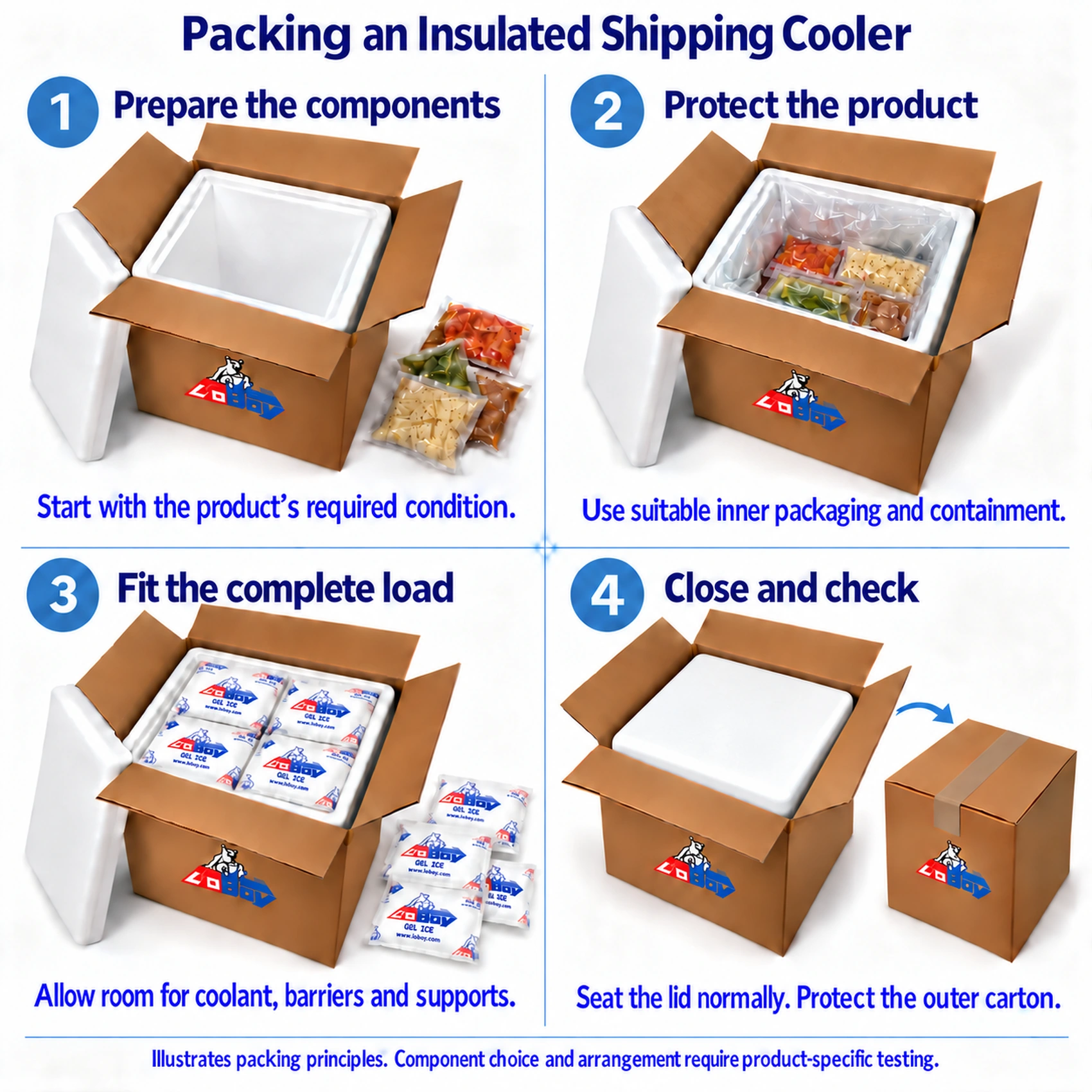
How many gel packs do you need?
Pack count depends on product weight, starting temperature, insulation, coolant type and route conditions. Record pack size and weight, too.
Test minimum and maximum orders, record exact placement and allow for realistic delays.
Shipping meat with gel packs
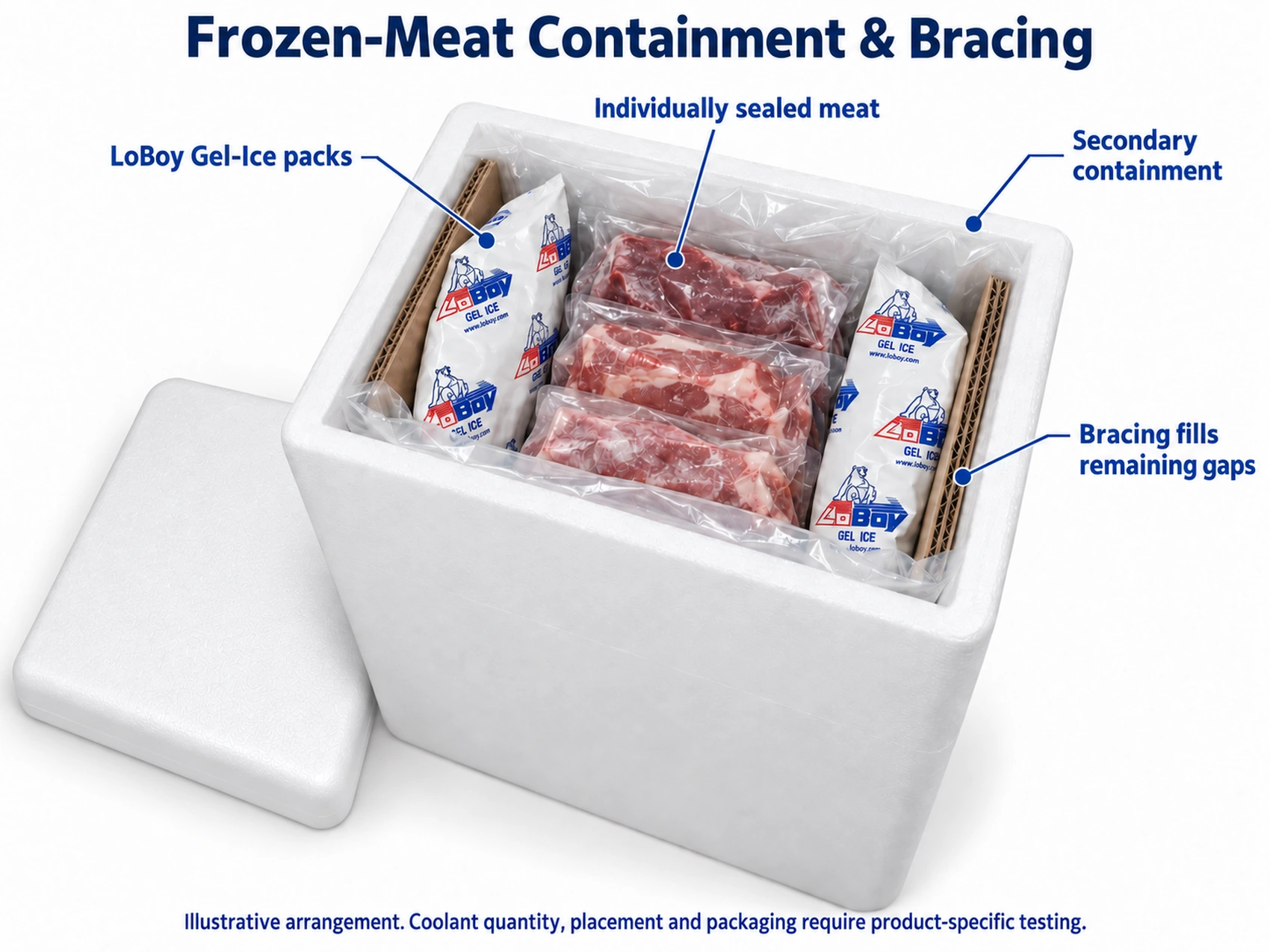
Define whether meat must arrive chilled or frozen. Test for that condition throughout the shipping window; chilled-food results cannot prove frozen-meat protection.
Contain meat separately from coolant. Inspect seals, control moisture and prevent movement. The How to Ship Frozen Meat guide covers the complete workflow.
Apply the method to the right product
For a meal kit or other chilled food, use the perishable-food guide. Refrigerator-cold receiving guidance does not establish frozen quality.
For medicines, use the refrigerated-medicine packaging guide. Product instructions and your quality process govern preparation, barriers and dispatch checks. This general guide cannot qualify a medicine shipment.
Compare gel packs with dry ice
Dry ice releases gas and has different handling and carrier requirements. Review How to Ship With Dry Ice before changing methods.
Retest coolant changes; equal weights do not prove equal protection.
Turn the trial into a packing instruction
Record the cooler, load, coolant preparation, amount and positions. Include barriers, padding and sensors. Test representative routes and seasons against the required product conditions.
Investigate failed arrivals before adding packs. Review fit, placement and time outside controlled storage. Retest major changes and update instructions.
Common gel-pack questions
How long will a gel pack stay cold?
Establish the window through loaded-shipper trials. A pack on a counter does not represent a shipment.
Can reusable packs go straight into another shipment?
Inspect, clean and prepare packs under supplier instructions and your hygiene process before reuse.
Compare the available LoBoy formats
The LoBoy Gel-Ice page lists GP8, GP12, GP16, GP24 and GP32 formats in 8-, 12-, 16-, 24- and 32-ounce sizes. Check current details against your trial layout. Model numbers do not establish shipping duration.
- Choose a cooling method: Gel packs versus dry ice
- Define a protection window: How long gel packs stay cold
- Record the coolant load: How many gel packs to use
- Document the layout: Gel-pack placement
For refrigerated vaccines, the CDC toolkit warns against frozen gel packs in transport. General shipping packs may be unsuitable for medicines.
Compare LoBoy coolant and cooler options
Review LoBoy Gel-Ice products or contact the Client Solutions Team. Bring packed dimensions, product conditions and transit requirements to compare options for your trials.