How to Ship Perishables: Choose Your Shipping Guide and Packaging
How you ship perishables depends on what you are shipping and the condition it must maintain from packing through arrival. Frozen meals, chilled seafood and refrigerated medicine require different preparation, cooling and handling. Start with the shipping instructions for your product, then use those requirements to compare packaging.
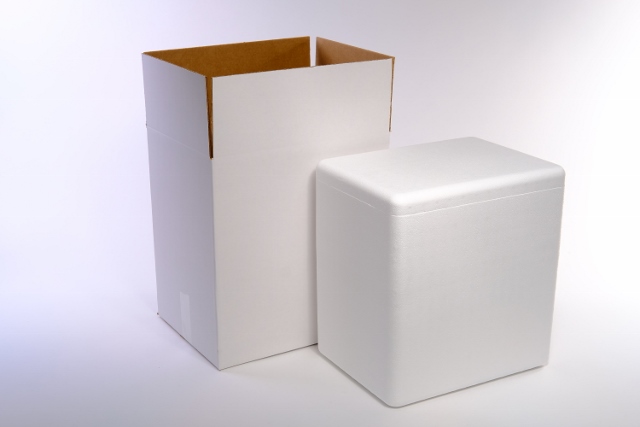
Perishable Shipping Solutions for Food Shippers and E-Commerce Businesses
Learn how to ship perishable food with guides built for business owners, shipping managers and packing staff. Whether you run an e-commerce store or a mail-order food business, start with your product’s requirements, then compare insulated shipping coolers, gel ice packs and related supplies. Shipping perishables requires a complete plan for preparation, packaging, cooling and delivery.
You’ll find LoBoy’s perishable-shipping resources here, organized to help you choose the right guide for your shipment. Below, you’ll find shipping guides for frozen food, frozen meat, seafood, refrigerated food and refrigerated medicine. Each linked article explains the packing and shipping decisions for that product category. Select the one that fits your shipment; then return here to compare gel-pack and dry-ice shipping methods, insulated containers and the details you need to test.
LoBoy supplies insulated shipping coolers, gel packs and related packaging materials. These shipping guides help you understand the job those components must perform. They are instructional articles you can read through the links below. LoBoy supplies the packaging; your shipping program remains responsible for selecting, testing and verifying the complete arrangement for your product.
Choose a Shipping Guide for What You Ship
Start with the product category below that matches your shipment. The linked title in each section opens a detailed shipping guide. Read that article for the product-specific preparation, containment, cooling and transit considerations before choosing a cooler or coolant. If your product must remain frozen, follow the frozen-food, frozen-meat or relevant frozen-seafood instructions; refrigerated products need their own temperature requirements.
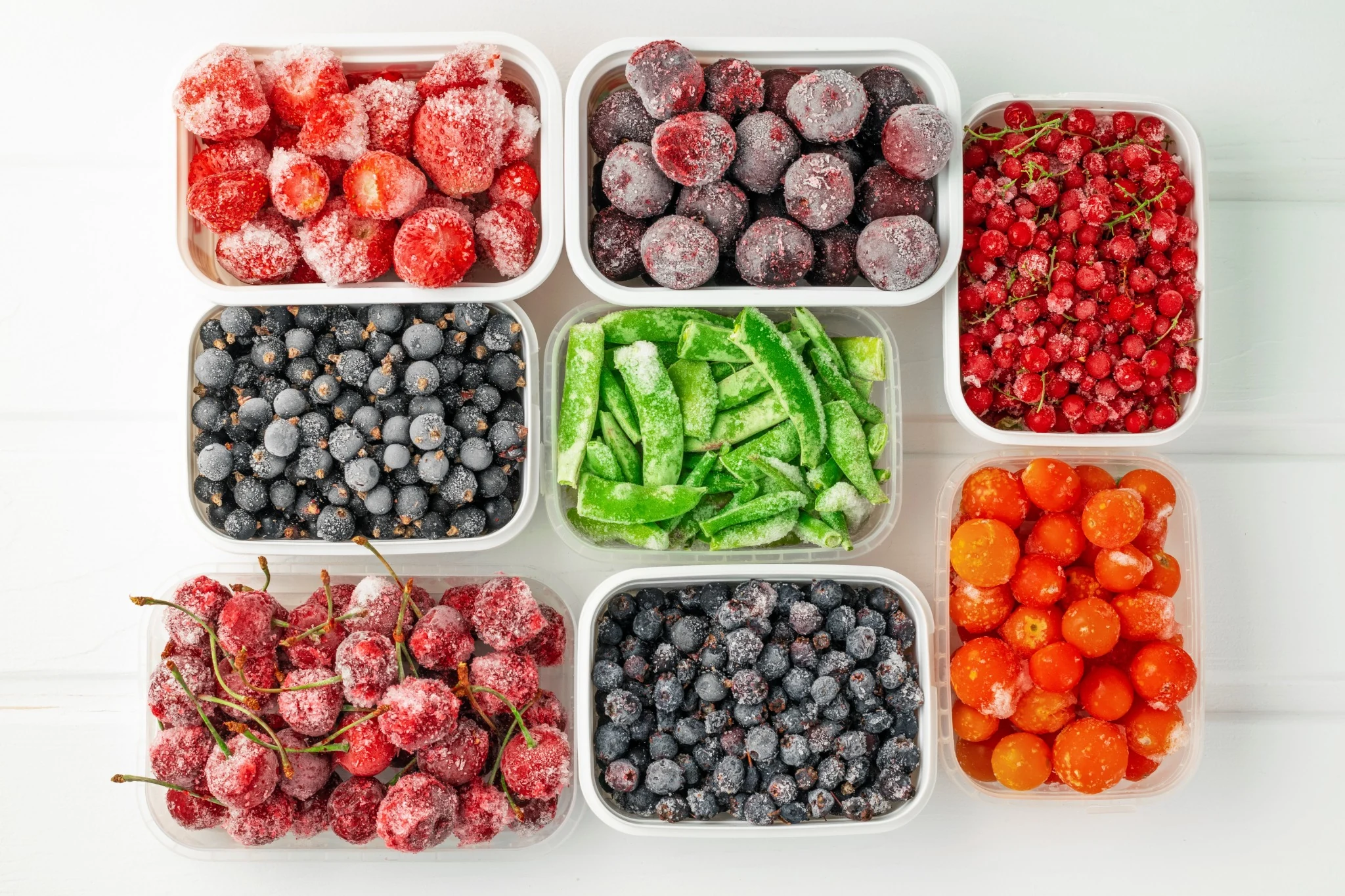
Frozen food
Frozen meals, desserts and mixed food orders need a plan built around their required frozen condition. How to Ship Frozen Food covers preparation, insulation, coolant choice and transit planning. The frozen-meat shipping guide and seafood shipping guide cover those products in depth.
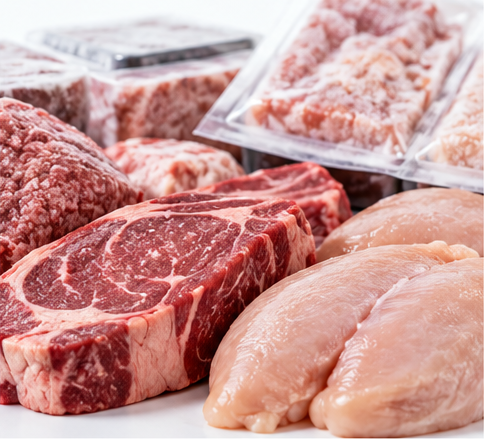
Frozen meat
How to Ship Frozen Meat addresses meat orders, game and subscription shipments. It connects the main packing decisions to the method you choose. Once you have chosen both frozen meat and dry ice, continue into the specialist Shipping Frozen Meat With Dry Ice resource.
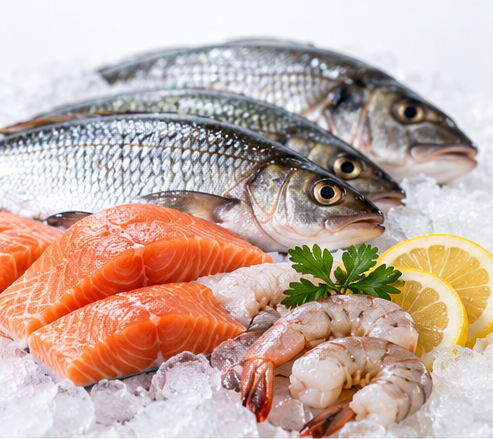
Seafood
Chilled fish, frozen seafood and live shellfish present different shipping problems. How to Ship Seafood helps you examine containment, moisture, cooling and transit needs. One arrangement cannot establish the requirements for every seafood product.

Refrigerated and perishable food
For food intended to stay chilled, use How to Ship Perishable Food. It covers refrigerated specialties and other perishable food items. Follow the frozen-food branch when the product must remain frozen.

Refrigerated medicine
Sensitive products such as medicines need their exact product instructions. Follow the responsible quality team's procedures. How to Ship Refrigerated Medicine addresses the packaging questions. Compare Medical Shipping Coolers separately; a container choice alone does not establish whether a medical shipment meets its requirements.
Frozen meat with dry ice
Once you have chosen both frozen meat and dry ice, continue into the specialist Shipping Frozen Meat With Dry Ice resource.
Define the job before choosing the box
Start products at their intended shipping temperature. Chill refrigerated goods or freeze frozen goods before packing, following the requirements for the actual product. Keep them in appropriate storage until packing and limit time outside it. This preserves more coolant capacity for heat entering during transit, rather than using it for the initial cooling.
A failed arrival can mean replacement work, another delivery charge and a difficult customer conversation. Shipping temperature-sensitive food starts with clear product requirements. Record the starting condition and required arrival condition. Do not assume all perishable goods share the same temperature ranges.
Measure the complete load: product, primary packaging, containment, coolant, cushioning and required gaps. Record the order range, weight and destination. Food and beverage shipments vary; the shipping packaging must fit the actual load.
Cold shipping requires planning beyond advertised transit times. Include packing, pickup, carrier handling and time before the recipient stores the order. Put external temperatures and a defined delay allowance in the test plan. Allow enough remaining usable shelf life after arrival for the customer’s intended storage and use. Count staging, transit, foreseeable delays and doorstep exposure against the product’s own limits.
Shipping Guides for Gel Packs and Dry Ice
Once you understand your product’s shipping requirements, use these two shipping guides to examine the cooling method. They explain different components and handling considerations: gel packs and dry ice are not interchangeable simply because both provide cooling. Follow the applicable product instructions and carrier rules, and test the complete packout against your required arrival condition.
Gel packs for shipping
Gel Packs for Shipping covers preparation, placement and the factors that affect the packout. Pack size, formula, quantity and starting condition all matter. A frozen pack alone does not prove that the entire load will stay frozen.
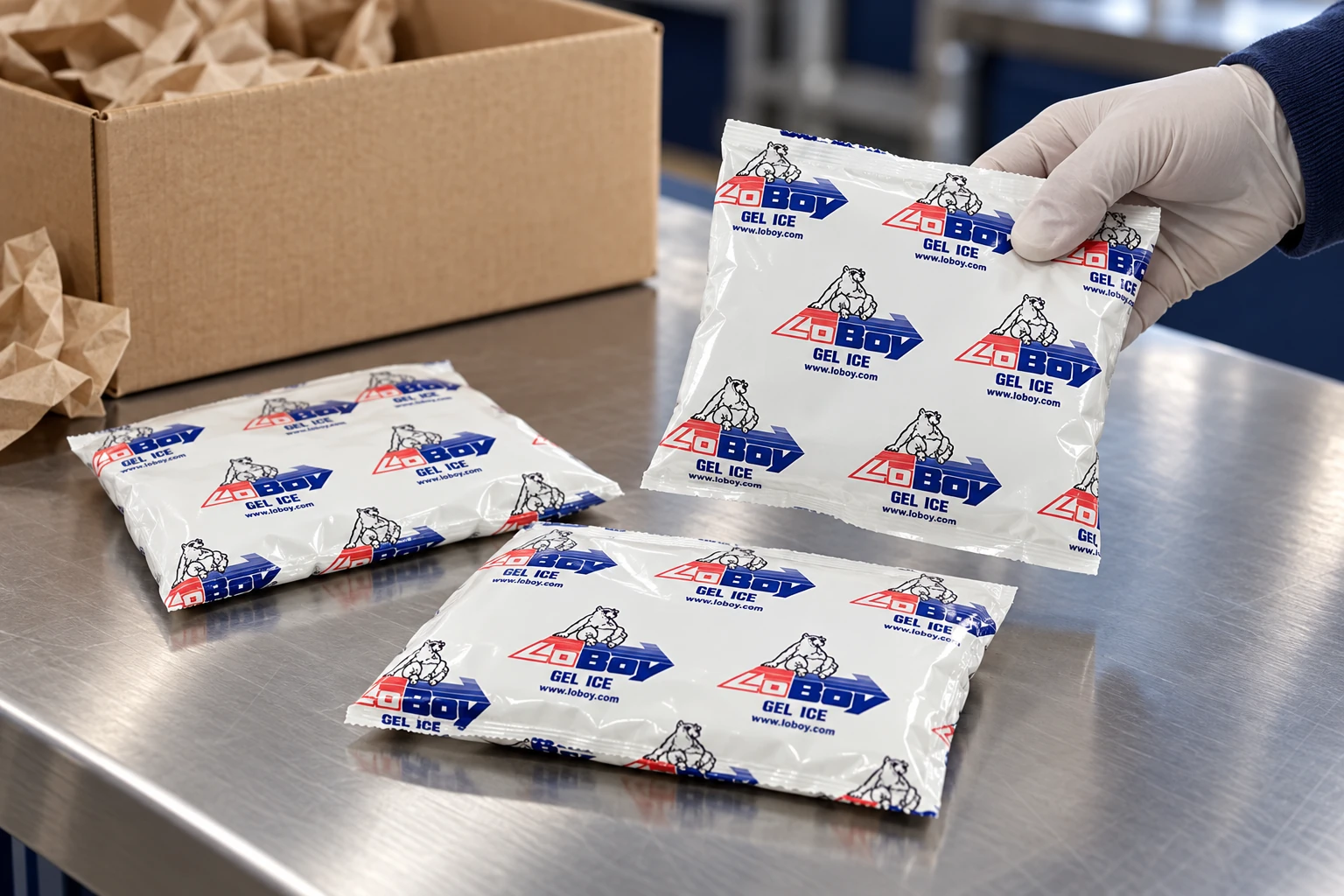
Compare available products on the Reusable Gel Ice Packs page. Use the gel-pack shipping guide to plan preparation and placement before comparing pack options.
Packaging for Shipping With Dry Ice
Dry Ice Shipping: Packaging and Carrier Rules is a shipping guide to planning the insulated container, product protection and gas release for shipments cooled with dry ice. It also points you to the carrier requirements for that method. LoBoy supplies the insulated shipping coolers and related packaging materials that help you build the packout around your product and dry-ice coolant.
Use this dry-ice shipping guide to understand how the coolant behaves, how to position and protect the load, and which carrier rules apply. Then compare LoBoy coolers and packaging supplies for your planned arrangement. A cooler purchase alone does not establish that the complete shipment meets the product’s temperature requirements or the carrier’s rules.
Shipping frozen meat with dry ice? Read Shipping Frozen Meat With Dry Ice. This shipping guide explains how to prepare and protect the meat, plan dry-ice placement and select an insulated cooler for the shipment. Use its instructions to plan the complete package, then test that arrangement for your shipping conditions.
Compare packaging against the complete load
The shipping guides above establish the questions your packaging must answer. Now compare containers with the complete shipment in mind—not just the product’s size. The cooler needs to accommodate the product, its primary packaging, containment, the selected coolant and any cushioning or spacing required by your tested arrangement. The product links below are places to compare LoBoy options; they are not a universal packout recommendation.
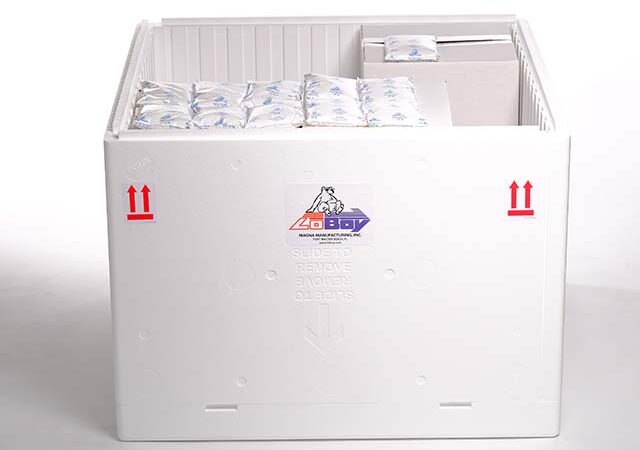
Perishable shipping boxes need room for the full cold chain packaging arrangement. Compare LoBoy Styrofoam Shipping Coolers with a physical trial pack. Check usable internal dimensions and lid clearance. Capacity alone cannot establish whether everything fits.

Individual model pages provide the next level of detail. Review the listed dimensions of the LoBoy 111 shipping cooler. Compare them with the LoBoy 206 shipping cooler as another example from the range. Neither is a universal choice for perishable products.
For larger loads, explore Extra-Large Shipping Coolers. For cartons, tape and related materials, use Insulated Shipping Supplies. Keep containment separate from the insulating material. Each performs a different job.
Protect product quality and the customer experience
Your customer expects an order that arrives ready for its intended use. Changes in appearance, texture, aroma or taste can lead to complaints, refunds and lost repeat business. Plan for both the required arrival condition and the usable life the customer needs afterward.
Food safety needs its own acceptance criteria: acceptable appearance or smell alone does not establish safety. Follow the product’s handling requirements throughout packing, shipping and receiving. LoBoy insulated coolers slow heat transfer, while the selected coolant provides cooling within the complete arrangement. Choose and verify those components together for the shipment.
Test the arrangement before making it a standard
A shipping guide provides a starting framework. Your actual product, order size, route and handling conditions determine whether the resulting packout works. Before repeating it across customer orders, test the assembled shipment and document the conditions under which it meets your requirements.
Test typical orders under realistic shipping conditions. Check the results against the product's acceptance requirements.
Record the cooler, carton, load, coolant preparation and component positions. Choose suitable places to monitor the load. Set clear pass-or-fail rules for temperature control.
Save a tested packout as a packing instruction with stated limits. Review changes to trays, order sizes or coolant. Insulation slows heat transfer; it cannot by itself guarantee a specific temperature over a longer period.
Questions that help you choose your next step
Which Shipping Guide Covers Chilled Food?
The perishable-food shipping guide covers refrigerated-food planning. The frozen-food shipping guide addresses products that must stay frozen. The required arrival condition determines the branch.
Where should I compare gel packs and dry ice?
Compare the gel-pack shipping guide with the dry-ice shipping guide. Compare complete tested arrangements; equal coolant weights do not establish equal protection.
What if my orders vary in size?
Test the fit of the order ranges your business ships. Both the product load and space for coolant can change. Establish packing instructions for those ranges.
Find the right LoBoy packaging for your program
Choose the shipping guide for your product first, or use the cooler comparison route above when your requirements are clear. Shipping costs include the container, coolant, carton and packing effort alongside the carrier charge. Use the perishable shipping costs guide to compare the full cost per order, review a sample worksheet and identify avoidable expense.
For help comparing options, contact the Client Solutions Team. Bring packed dimensions, product requirements, order range, shipping window and quantities. The team can compare packaging options. Your shipping program must test and verify the final packout.