Shipping Venison: Packing the Meat and Planning the Trip
Before you pack venison for shipment, find out whether you can send those exact contents to the destination you have in mind. Wrapped cuts of meat and a parcel containing other deer material can raise different questions. Describe what you're sending clearly when you check with the relevant authorities and carrier.

Once you've settled that, you can work out how to protect the meat. A stack of flat packs may fit neatly into one cooler, while an order with a large roast leaves uneven gaps or takes up space you need for coolant. The right arrangement depends on the cuts, their wrapping and how long the delivery needs to take.
Start with the real order, give it the protection it needs, and test the complete package before relying on it for the trip.
Check the destination before buying the shipping supplies
Write down where the meat comes from, where you're sending it and everything you intend to put in the parcel. Use that same description when speaking with wildlife or agriculture authorities and the carrier. “A venison shipment” may leave out details they need to answer your question.
If you are sending wrapped meat, say so. If you also want to send other deer parts, identify those separately rather than assuming an answer about the meat covers everything else. Ask which documents or identification the shipment needs and resolve those questions before promising a delivery date.
For example, Wisconsin DNR's deer-carcass transportation guidance tells hunters to check the relevant state or provincial rules, including those along their travel route. Use the current authorities for your own shipment; one state's guidance doesn't clear every origin, destination or type of material.
Keep the answer, source and date with your shipment details. If the destination or contents change, check whether the earlier answer still applies. Carrier acceptance is another question to confirm, including acceptance of the coolant you plan to use.
Pack the cuts you're actually going to send
Once you've confirmed the shipment can go ahead, put together the actual wrapped meat. Include any secondary packaging needed to contain leaks and any protective material needed around hard edges or vulnerable seals.
Measure that complete order before choosing the cooler. A listed cooler capacity doesn't tell you whether a particular roast will fit with the lid closed and coolant in place. Weight alone won't tell you, either: a bulky cut can use the available space differently from several flat packs of the same total weight.
Try the arrangement in the cooler. Look for packs that press against each other's seals, edges that rub against nearby wrapping and gaps that let the meat move. Check that the lid closes normally. If you have to force it down against the food, revisit the arrangement or container size.
For recurring shipments, try both the smallest and largest orders you expect to send. The small order may leave too much room for movement, while the large one may crowd the coolant. The cooler-sizing guide walks through fitting the complete package.
Inspect the wrapping before it goes into the cooler
Check pouches, seals and other food wrapping for damage. Deal with a torn or leaking pack before shipping it. An insulated cooler doesn't repair the wrapping, and adding coolant won't stop a seal from leaking.
Use suitable secondary layers to help contain leaks, and protect places where an uneven cut or neighboring pack could damage the wrapping. Include those materials in your fit check so you're measuring what will actually leave the packing table.
Inspect the packs again after a handling trial. If film has rubbed through or a seal has been strained, look at what touched that spot and how the load moved. Correct the cause and try the revised arrangement. More material in an unrelated part of the cooler may simply take space away from the coolant.
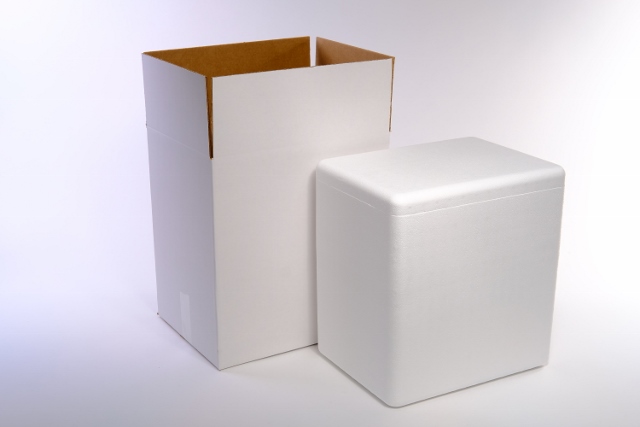
Browse LoBoy shipping coolers
Decide how the venison needs to arrive
Make the arrival requirement clear before choosing coolant or a shipping service. Are you sending frozen meat that needs to stay frozen, or a chilled product? Use the starting food condition and packaging arrangement that your tests support for that requirement.
If you're promising frozen venison, a result that merely shows the meat stayed chilled doesn't establish that you've met the promise. Set the checks before testing so you know what a successful result needs to show.
Measure the food using a method suited to the trial. A cold outer box, remaining coolant or a reading from the air inside the cooler doesn't necessarily tell you the condition of every pack of meat. Record where your measurements come from so you can interpret them and compare later trials.
Choose coolant around the meat and the trip
Work out the coolant arrangement with the food, insulation and outer carton together. Reserve room for it from the beginning. Filling the cooler with meat and then fitting coolant into whatever gaps remain can produce a different package each time.
Record the coolant type, amount, form, starting condition and placement used in your trial. Those details help you repeat the arrangement if it works. Changing the amount or moving it to make room for another cut changes the package you tested.
If you're shipping with dry ice, follow appropriate handling and gas-release procedures, along with the carrier's current preparation instructions. The complete package must allow the gas to escape. The guide to shipping meat with dry ice covers the broader process.
There isn't one coolant amount that gives every venison order the same shipping duration. Test the complete setup for your load and the conditions you expect it to face.
Include the hours spent waiting
The carrier's delivery estimate is only part of how long the package needs to protect the meat. Include time spent packing, waiting for pickup and waiting after delivery before the recipient puts the venison into storage.
For example, an order packed early in the day may wait for an afternoon collection. That time is part of the trip even though the parcel hasn't left your building. Get materials and labels ready before removing meat from its required storage so packing doesn't involve unnecessary delays.
Consider the season, route and delays your plan needs to cover. A trial that works in mild weather doesn't establish performance on a hotter route. A shorter trial doesn't establish that the package will protect the meat for a longer delivery.
Decide what to do if a pickup is missed or the receiving plan changes. Review whether the extra time remains within what your package can support before sending the parcel on its way.
Test a complete shipment before depending on it
To find out whether your setup keeps the venison in the intended condition, test a fully packed shipment under conditions similar to the delivery you're planning. Use the real wrapped cuts, cooler, outer box, protective layers and coolant arrangement.
Photograph the layers before closing the box, and record the food's starting condition and the exact contents. Choose temperature-monitoring positions before the trial. Include the places your test plan identifies as vulnerable rather than relying on one favorable reading in the center.
When you open the parcel, inspect the wrapping and check whether the contents shifted. Review leaks and physical damage alongside the temperature results. Meat can remain frozen while its pouch fails, so a successful temperature reading doesn't answer every question about the delivery.
Keep enough detail that another person could build the same package. If something falls short, that record helps you choose a correction and check whether it solves the problem.
Make the packing directions easy to follow

For repeated shipments, turn the successful arrangement into practical directions. Show which cuts and order sizes it covers, list the parts and explain the loading steps in order. Include photos of where the meat, protective layers and coolant belong.
Ask someone who didn't design the arrangement to build a sample from the directions. If they need to guess or ask for an explanation, clarify that step before using the instructions routinely.
Before closing each parcel, check the actual contents against both the shipment details and the packing directions. Confirm the wrapping, protection, coolant and lid fit. After closure, check the label, selected service and any required records.
Keep the current instructions at the station and retain earlier versions for investigating past shipments. A missing part or an order that doesn't fit needs a decision before dispatch. Substituting another cooler or reducing coolant to squeeze everything in changes the arrangement you've evaluated.
Arrange for someone to receive the meat
Confirm that the recipient expects the parcel and can inspect and store the venison within your planned delivery period. Send the delivery information and storage directions ahead of time, along with a way to report delays, damage or concerns about the food.
If the meat arrives in an uncertain condition, follow the applicable food safety process. Don't use smell, appearance or a taste test to declare it safe. For a business shipment, a refund or replacement resolves the purchase without establishing whether the original food should be eaten.
Keep the order details, packing version and actual delivery timing if there's a problem. Repeated leaks may point to one cut's position or wrapping. Temperature concerns after longer deliveries may call for a review of the route and timing. Use those details to decide what to investigate and test next.
Recheck a changed order before sending it
Suppose you usually send flat wrapped cuts, but the next parcel includes a larger roast and is going to a different destination. You have two changes to work through: whether that shipment is permitted and whether your packing arrangement covers the larger cut.
Ask the appropriate authorities and carrier about the new destination and exact contents. Separately, try the wrapped roast with the other meat, protective materials and coolant. Check whether it falls within an arrangement you've already tested or needs a revised package and another trial.
Knowing the roast fits doesn't settle the destination question. Permission to send it doesn't establish how long your packaging will keep it frozen. Work through both before dispatch.
Bring the real venison order into the cooler discussion
Once you've resolved the shipment requirements, bring the dimensions of your wrapped cuts, planned order sizes and delivery needs to the LoBoy Client Solutions Team. Those details provide a practical starting point for comparing LoBoy insulated shipping containers.
Test the complete package with the meat and coolant you'll actually send. For the shared packing process, see the guide to shipping frozen meat.