Shipping Poultry: Keeping Whole Birds and Portion Packs Protected
A whole turkey and a box of chicken breasts can weigh the same and still be very different orders to pack. The turkey may sit high in the cooler, with uneven spaces around it. The chicken packs may stack neatly, but their seals can get pinched or rubbed as the contents move.
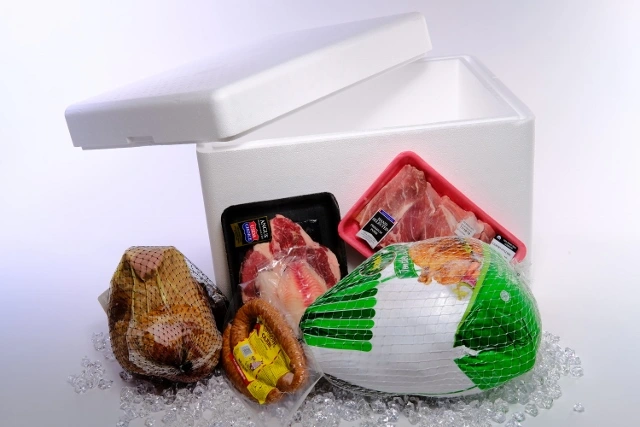
Then there's the question of how you're selling the poultry. Does it need to arrive frozen, or are you shipping a refrigerated product? That decision affects the coolant you choose, the packing arrangement and the instructions you give the customer.
To work out a dependable way to ship your poultry, start with the actual food you're sending. Build the complete package around it, then test how that package handles the trip.
Decide whether you're shipping chilled or frozen poultry
Make this clear before you start choosing packaging. A refrigerated chicken order and a frozen turkey order shouldn't share packing directions simply because both contain poultry. Each needs an arrangement that keeps the food in the condition you're promising throughout the delivery.
Start the poultry at the condition your packing process requires. If your testing used fully frozen birds, use that same starting condition when packing customer orders. Otherwise, you're changing something the test depended on.
Keep the directions easy to distinguish at the packing table. Someone preparing a refrigerated order should be able to tell immediately which cooler, coolant and loading instructions to use. The customer should receive storage directions for that same product.
Try the real bird in the real cooler
Before ordering containers around a listed weight, measure the poultry in the packaging you'll actually ship. Include the wrapping and any additional layers needed to protect it and contain leaks. Those layers take up space, too.
For a whole bird, check the height as well as the length and width. Put it into the cooler with the planned coolant and protective materials. Does the lid close properly? Is it pressing on the bird or stretching the packaging across a protruding edge? Is there still room for the coolant where you need it?
For portion packs, look at how the stack behaves. Packs that lie flat on a table can shift when the box is tilted or handled. Check whether a seal folds underneath another pack, whether an edge rubs against the cooler, and whether anything can slide into an unprotected space.
The smallest order deserves a trial, too. A half-empty cooler may let products move around more than a full one. At the other extreme, your largest order may crowd out the coolant or put pressure on the lid. Check the range of orders you intend to sell.
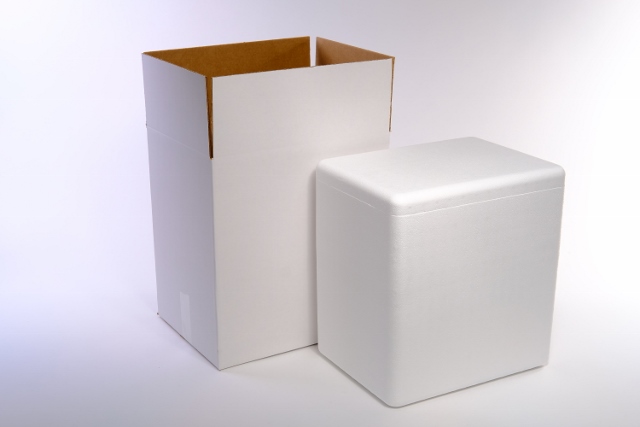
Browse LoBoy shipping coolers
Give poultry juices somewhere to stay if a pack leaks
Inspect the food packaging before it goes into the cooler. A damaged seal or torn pouch needs attention before shipping; placing it inside an insulated container doesn't repair it.
Use suitable secondary packaging to help contain a leak if the food pack fails. Include absorbent material where your packing plan calls for it, and protect places where film or seals could rub or be punctured. Choose those materials for the actual food and package you're shipping.
Then check them after handling trials. Look for torn film, crushed corners and seals that have been rubbed or pulled. If damage keeps appearing in the same place, change the arrangement or protection at that spot and try it again.
More padding everywhere isn't automatically the answer. It can use up space needed for coolant without fixing the edge or pressure point causing the trouble. The goal is to understand what is damaging the pack and protect against that.
Work out where the coolant belongs
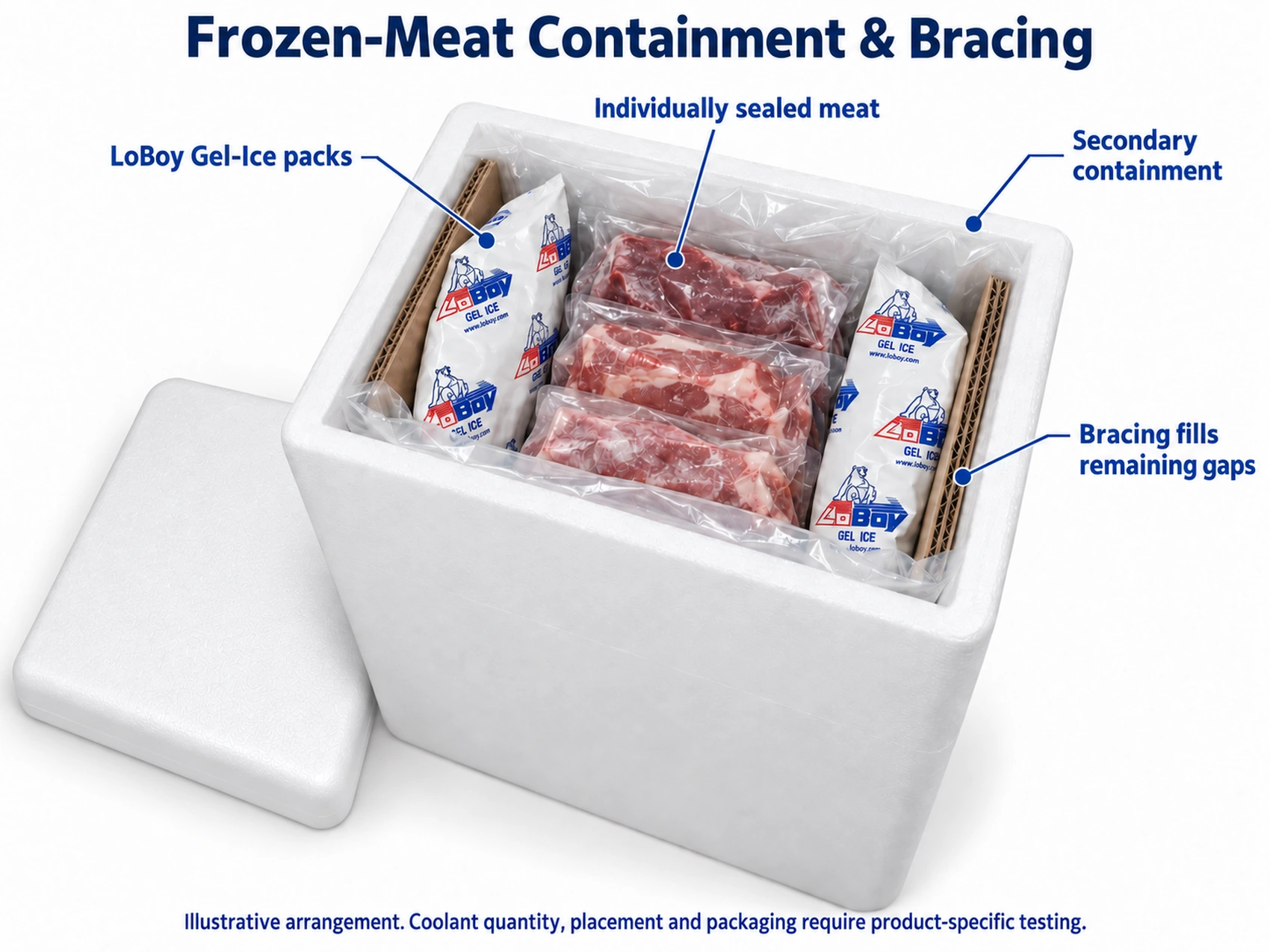
Choose the coolant and its placement around the poultry's temperature needs and the trip you're planning. Leave that space in the package from the beginning. If you fill the cooler with meat first and try to squeeze coolant into whatever gaps remain, you may end up with a different arrangement every time.
Keep the coolant amount, starting condition and placement together in the packing directions. Those details belong to the complete arrangement you test. Moving coolant to make room for an extra pack changes that arrangement, even if everything still fits inside the cooler.
If you're using dry ice, follow the guide to shipping frozen meat with dry ice along with the carrier's current instructions. The package needs to let carbon dioxide gas escape, and your team needs appropriate handling procedures. Check the requirements for your chosen service and destination before preparing shipments.
Count the hours before and after the carrier's trip
A delivery estimate tells you only part of how long your package needs to protect the food. Your poultry may spend time being packed and waiting for collection before the carrier's transit time even begins. After delivery, it may wait again before the customer brings it inside.
Include those periods when deciding what to test. If you're packing a large batch, consider the first box completed: it may wait much longer for pickup than the last one. Get supplies and labels ready before taking poultry out of its required storage so assembly doesn't involve unnecessary waiting.
Think about the route and season as well. A successful trial in mild weather doesn't tell you everything about a hot-weather delivery. Include realistic heat exposure and delays in your evaluation before extending the same shipping promise to more destinations.
Also confirm that the carrier accepts the poultry and coolant on the service you want to use. Showing that a package keeps food cold doesn't establish that it meets the carrier's shipping requirements.
Test whether the package protects the food all the way through
To find out whether your setup works, test a fully packed shipment under conditions similar to the deliveries you plan to make. Use the real food packs, cooler, outer carton, protective layers and coolant arrangement. A fit check tells you whether the pieces go together; the shipping trial helps tell you whether they do their jobs.
Record what went into each test and how the poultry started. Take photographs before closing the cooler. If one arrangement works better than another, you need enough detail to understand the difference and reproduce the successful one.
Decide where and how you'll measure temperatures before starting. A reading from the air inside the cooler doesn't necessarily describe the temperature of the poultry. Choose measurements that help you assess the food, and use a consistent method when comparing arrangements.
Afterward, inspect for leaks and physical damage as well as temperature performance. Poultry can stay cold while its pouch tears. An outer box can arrive dry even though the food got too warm. You need to check both kinds of protection.
Show your team how to build the box
Once you've established an arrangement that works, turn it into directions someone else can follow. Identify the orders it covers, list the parts and show where the poultry, coolant and protective layers go. A photograph of the actual package is much easier to follow than a line that says “pack securely.”
Keep separate directions where the orders need them. A whole bird may need a different cooler or arrangement from a mixed selection of thighs and breast packs. Don't leave the packer to decide whether one set of instructions is close enough.
Make it clear what to do when an order doesn't fit. Forcing the lid shut or removing coolant to make space changes the package you've evaluated. A larger bird, extra portion pack or new retail pouch may need a different arrangement and another trial.
Have someone use the instructions to pack a sample before you depend on them for a full shipping day. If they have to ask where a piece belongs, add a clearer explanation or photo. That small check can prevent the same question from becoming a different packing decision in every box.
Help the customer handle the delivery
Tell the recipient when to expect the poultry and how to store it promptly after arrival. Make the directions specific to whether you're sending a chilled or frozen product. Include a clear way to contact you about a late delivery, damaged packaging or food whose condition concerns them.
Use FoodSafety.gov's guidance for receiving shipped food alongside the product's own requirements when developing those instructions. Don't ask customers to judge safety by smell, appearance or a taste test. If the arrival condition is uncertain, follow your food safety process rather than guessing.
Keep enough order and packing information to investigate a report. If several whole-bird orders develop leaks, compare their packaging and positions in the cooler. If concerns follow a particular route or delivery delay, compare those conditions with what you tested. A useful record helps you find the part of the process that needs attention.
Choose a cooler around what you're really shipping
Bring the measurements of your wrapped birds or portion packs, the planned order sizes and your delivery requirements to the LoBoy Client Solutions Team. Those details give you a practical starting point for comparing LoBoy insulated shipping coolers.
Once you've selected a container to try, test it with the poultry, coolant and protection you'll actually use. For the broader process, the guide to shipping frozen meat connects packing, delivery timing and receiving decisions.