How Long Will Meat Stay Frozen in Shipping?
How long meat stays frozen during shipping depends on how cold it is when packed, how much meat you’re sending, the cooler’s insulation, the amount of dry ice or gel packs, and the temperatures along the way. To find out how long your setup keeps the meat frozen, test a fully packed shipment under conditions similar to the delivery route.
Picture a box of steaks delivered at noon while your customer is still at work. The carrier may have delivered on time, but the meat has several more hours to get through before it reaches a freezer. Those hours belong in your packing plan, too.
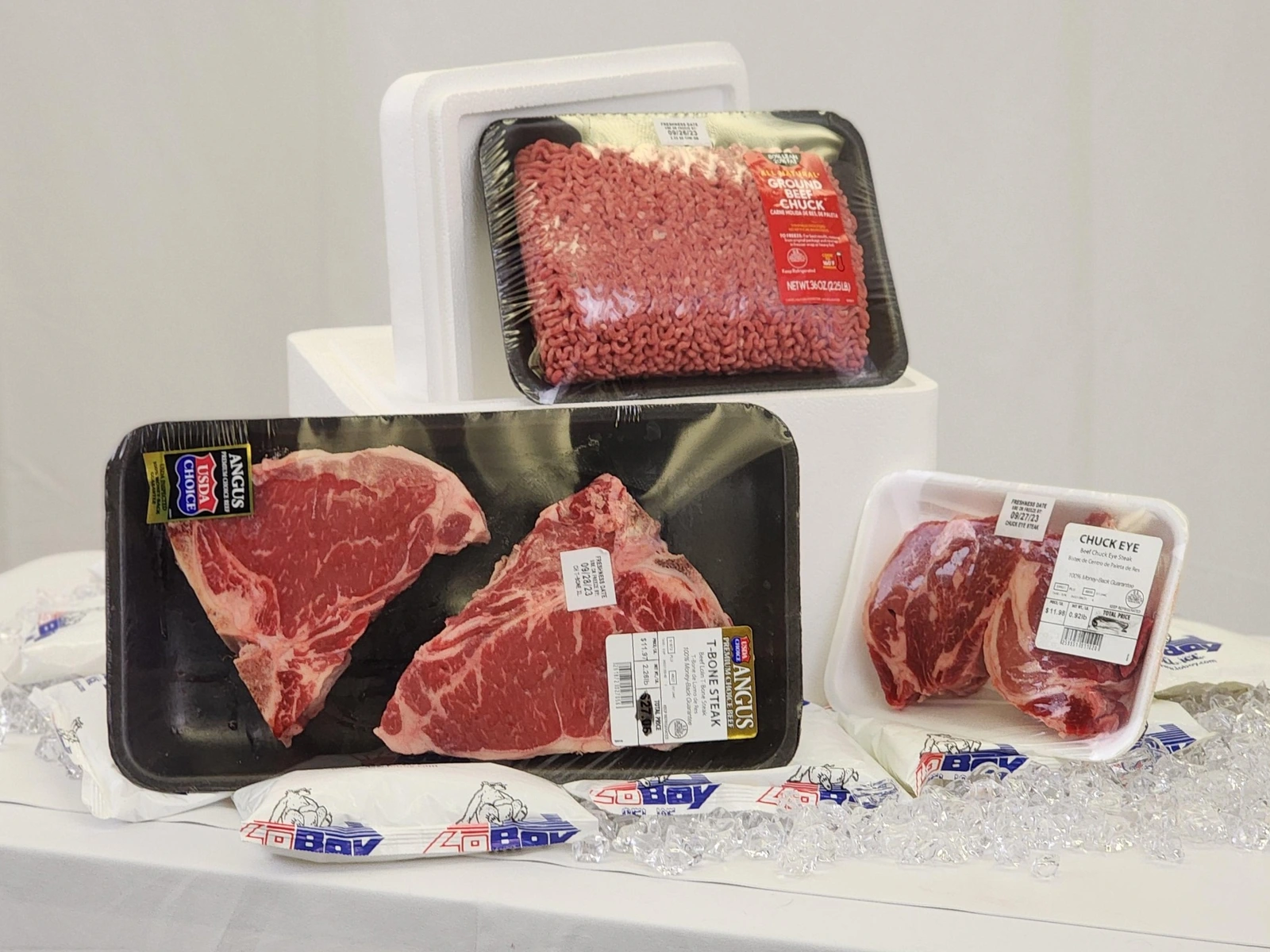
Start with frozen meat and a clear promise to your customer
Are you promising meat that arrives hard frozen, or meat that may be partly thawed but still refrigerator-cold? Decide before you choose the cooler and delivery service. Your packing method and customer instructions need to support the same promise.
The FDA recommends freezer storage at 0°F (−18°C). Start with meat already frozen according to your product requirements. Keep it in the freezer until the packing station is ready; the shipping cooler should help keep frozen meat frozen, rather than finish freezing warm meat.
Check the actual meat temperature when you prepare a trial. Also write down the weight and cuts you pack. A test with deeply frozen roasts tells you less about a box of thin steaks packed at a warmer starting temperature.
Count every hour from your freezer to the customer’s freezer
“Two-day shipping” tells you about the carrier’s service. Your meat also has to get through packing, the wait for pickup and the time after delivery. Add those stages before deciding how long your cooler and coolant need to protect the order.
For example, allow 2 hours for packing and pickup, 48 hours for the journey, and 4 hours before the customer stores the order. That is a 54-hour planning window before you add any allowance for an unexpected delay. This is an example of counting time, not a claim that a particular cooler keeps meat frozen for 54 hours.
Write down the packing, pickup, delivery and storage times during your test. Include the warm conditions the parcel may face. A box sitting in an air-conditioned room does not represent the same trip as a summer delivery through warm vehicles and a sunny doorstep.
Test the boxes of meat you actually sell
Try your smallest and largest regular orders. A small steak order can leave room for the packs to shift, while a large roast may take up space you expected to use for dry ice. Neither order should have to be squeezed under the lid.
Pack the real bags, trays, leak protection and supports along with the meat and coolant. Take a photo before closing the box so you can repeat the arrangement. Record the cooler model, outer carton, coolant type, amount and position.
Measure more than one location when your test calls for it. A steak near the lid or wall may warm differently from a roast in the middle. A cold reading in the center cannot tell you what happened to every pack. Make clear whether each sensor measures the meat or the air around it.
How much dry ice should you try first?
FedEx’s dry-ice shipping guidance gives a planning range of 5–10 pounds per 24 hours and suggests allowing an extra day for delays. For a planned 48-hour journey plus that extra day, the calculated starting range is 15–30 pounds. Treat it as a starting estimate for a trial, subject to the selected service’s quantity limits.
Your actual amount can change with the meat’s weight, shape and starting temperature, the cooler’s size and insulation, the dry-ice form and placement, and the weather. Weigh what goes into the box when you pack it; dry ice starts turning into gas before the parcel leaves your station.
If you use gel packs, record their model, quantity and preparation. A frozen gel pack is not proof that the meat stays frozen for the whole trip. Test the complete arrangement for the condition you promise. For dry-ice handling, packing and gas-release instructions, use Shipping Frozen Meat With Dry Ice.
Check these three things when the meat arrives
There are three questions to answer when you open a trial shipment or review a customer’s delivery:
- Did the meat arrive as frozen as you promised? Check the product temperature and condition against the standard you set before shipping. A partly thawed order may disappoint someone who paid for hard-frozen steaks, even if it meets general cold-food receiving guidance.
- Are the meat packs still sealed and undamaged? Look for torn bags, leaking seals, crushed trays and signs that cuts shifted during the trip. Meat can stay cold while its packaging fails.
- What should the customer do with the food now? Give clear instructions for checking it, storing an acceptable order promptly and reporting a delivery that fails the checks.
FoodSafety.gov’s receiving guidance says shipped perishables should arrive frozen, partly frozen with visible ice crystals, or at 40°F (4°C) or below when checked with a food thermometer. It advises notifying the supplier and not eating or tasting food that arrives above 40°F. Appearance and smell cannot establish safety.
That general receiving guidance is different from a promise to deliver meat fully frozen. Explain the difference to customers before a problem occurs, and have your food-safety lead set the response for uncertain or unacceptable arrivals.
If a test fails, find out what warmed up and why
Before adding more coolant, check the basics. Was the meat fully frozen when packed? Did staff use the intended cooler and amount of coolant? Was pickup missed? Did a bag near the wall warm up while the middle stayed frozen?
Change the part of the plan that appears to have caused the problem, then test again. You may need more coolant, a different layout, better insulation or a faster service. Write down what changed so you can tell which adjustment helped.
Keep the failed results alongside the successful ones. If the edge packs repeatedly warm too much, an acceptable center reading does not solve the problem. The packing instructions need to protect the whole order you intend to send.
Give your packing team instructions they can actually follow
Once a test succeeds, turn it into a simple instruction: which cuts and order sizes it covers, which cooler and carton to use, how much coolant to add, where everything goes, and how long the shipment can take under the conditions you tested. Include the packing photo.
Tell staff who to contact if an order does not fit, a component is missing or a delivery will take longer. Adding an extra handful of dry ice by eye should not become the new packing method. Review the change before dispatch.
Recheck the arrangement when you change cut sizes, bags, coolant, coolers or delivery services. Let customers know when to expect the order and ask them to put accepted meat into the required storage promptly. A successful test only helps if the daily packing and receiving steps follow it.
Choose a LoBoy cooler around the meat you need to ship
The frozen-meat shipping guide explains the wider packing process. To compare LoBoy shipping coolers, bring the Client Solutions Team the dimensions of your wrapped meat, your usual order sizes, the room needed for coolant and the delivery times you want to cover. Those details help the team narrow down containers for your trials.
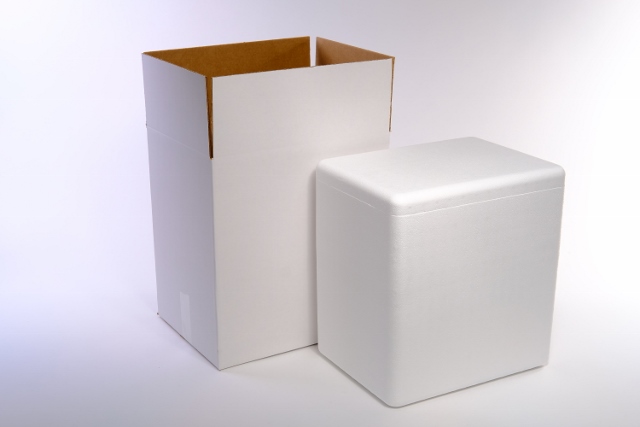
Browse LoBoy shipping coolers