Dry Ice Shipping: Insulated Packaging, Supplies and Carrier Rules
To ship with dry ice, prepare for both the frozen product and the gas the coolant releases. An airtight package can create a pressure hazard.

Dry ice shipping requires a package that manages temperature, movement and gas release. Start with the product's required condition, then verify the carrier's rules for the exact service. Establish coolant quantity through package testing.
LoBoy supplies insulated shipping coolers and related packaging supplies for businesses planning shipments cooled with dry ice. Build your packing plan around the product, dry-ice coolant, insulated cooler and outer packaging, then confirm the requirements of the carrier that will transport the shipment.
This dry-ice shipping guide explains how the insulated container fits into the complete packing system. Use it to identify the packaging questions, compare available LoBoy components and locate the applicable carrier instructions. Select supplies for your specific product and tested packing arrangement; not every cooler or component is suitable for every shipment.
For the broader container and coolant decision, use How to Ship Perishables.
Understand the complete packing system
For frozen-food shipments, freeze the food before packing and keep it in appropriate frozen storage until the packing station is ready. Starting with warm food uses coolant capacity for the initial cooling instead of maintaining the intended temperature during transit. Plan dry ice around the prepared product and tested packing method.
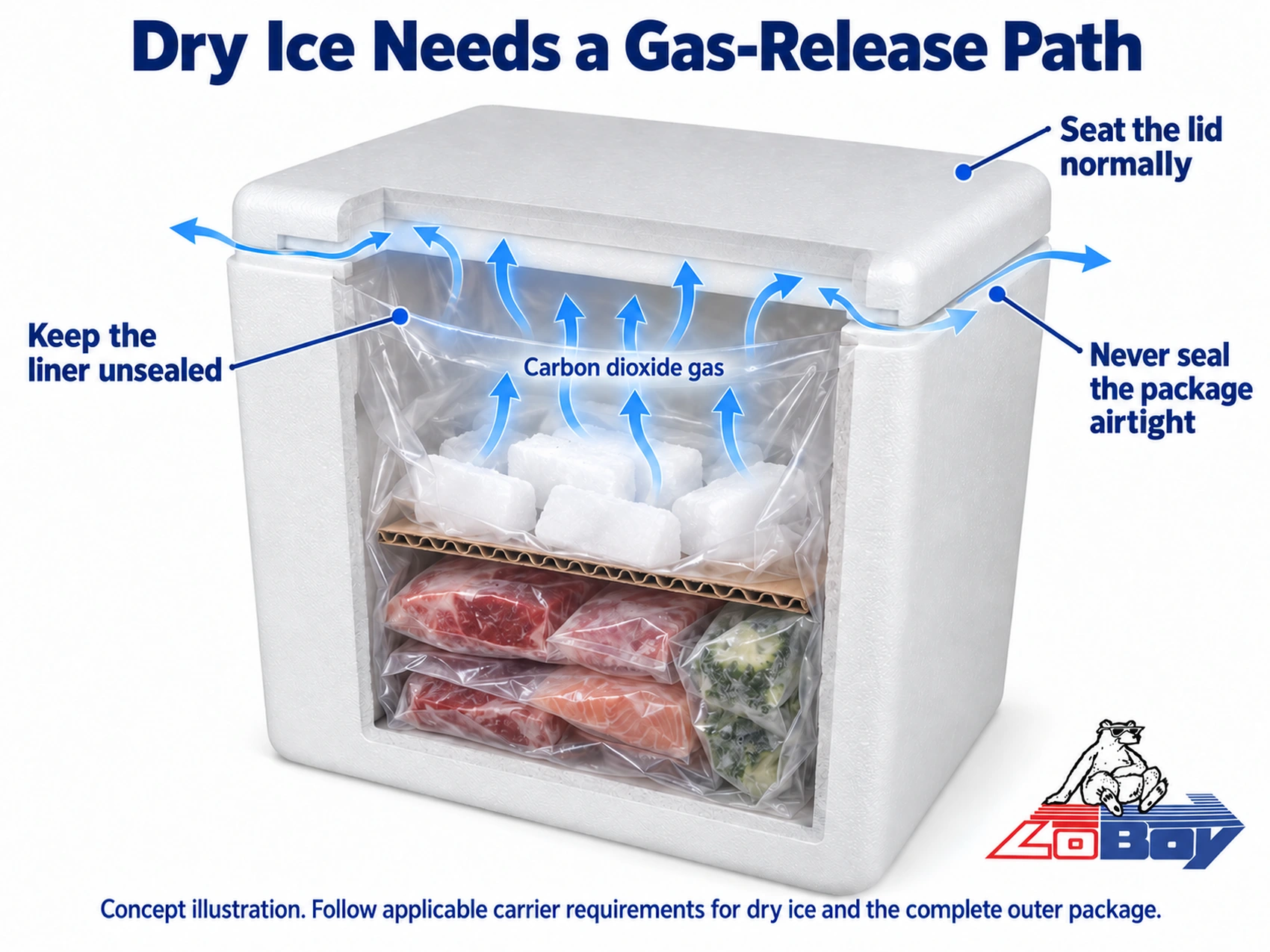
Dry ice changes from a solid into carbon dioxide gas. The package must allow that gas to escape. Never make the insulated container or outer package airtight.
Wear the protective equipment required by the dry-ice supplier’s instructions and work in a ventilated area. Protect skin from direct contact with dry ice. The UPS dry-ice shipping safety guide addresses protective equipment and handling training. Give recipients clear unpacking guidance so they can handle remaining dry ice safely.
Choose the cooler before calculating the load
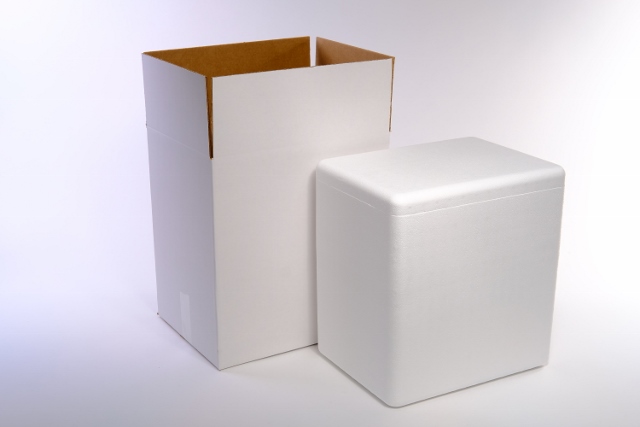
Record payload dimensions, starting temperature, shipping duration and expected route conditions. Choose a cooler with room for the product, coolant and protective layers. A sturdy outer carton protects the complete parcel during handling.
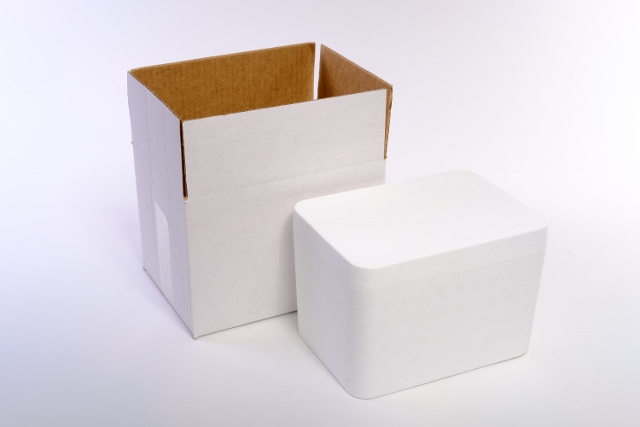
Compare LoBoy insulated shipping coolers against a trial arrangement. Check the fit and whether the cooler suits your planned packing process.
FedEx distinguishes foam insulation inside a box from foam used as the outer package. Its dry-ice packaging instructions require preapproval for polystyrene outer packaging. Confirm the package and how to close it before packing orders.
Separate product protection from coolant placement
Protect the product with suitable inner packaging and a leak barrier where needed. Keep dry ice from contacting food directly, following carrier guidance. Use the separation specified for your product and packing system.
As dry ice disappears, space can open within the package. Secure the load against movement as the coolant disappears. Padding must allow gas to escape.
The UPS dry-ice shipping guide addresses insulation, separation and venting. Follow those steps and the rules for your chosen service.
How much dry ice should you start with?
For an initial shipping estimate, plan around 5–10 pounds of dry ice per 24 hours. FedEx’s dry-ice shipping guidance gives that planning range and suggests allowing another 24 hours for possible delays. LoBoy’s existing frozen-meat and perishable-shipping pages also describe roughly 5–10 pounds of dry ice sublimating over a day. These figures give you a practical starting estimate for a trial packout.
| Planned shipping window | Initial dry-ice estimate |
|---|---|
| 24 hours | 5–10 lb (about 2.3–4.5 kg) |
| 48 hours | 10–20 lb (about 4.5–9.1 kg) |
| 72 hours | 15–30 lb (about 6.8–13.6 kg) |
The two- and three-day figures are arithmetic extensions of the daily range, not measured LoBoy cooler results. For example, a planned 48-hour shipment plus a 24-hour delay allowance gives a 72-hour planning window and an initial estimate of 15–30 pounds. Check the permitted quantity for your actual carrier service before selecting that load.
Adjust the estimate for your cargo and cooler
A compact load of deeply frozen food and a spread-out load of smaller packages can expose different amounts of surface area and leave different spaces for coolant. Cargo weight, shape, starting temperature and required arrival condition all affect the arrangement. A warm product also asks the coolant to do initial cooling that a pre-frozen product does not need.
Cooler dimensions, wall thickness, insulation quality, lid fit and unused space affect heat entering the package. Dry-ice form and placement matter too: pellets and a solid block do not have the same exposed surface area. Include the outer carton, barriers and supports when checking how much coolant physically fits.
Then account for outside temperatures, staging, pickup, transit, delivery delays and the wait before the recipient stores the goods. The estimate may need to rise or fall after trials with those conditions. Extra dry ice also adds weight and takes space away from your product; simply squeezing more into an unsuitable layout is not a solution.
Turn the starting quantity into a repeatable packing instruction
Weigh the dry ice when you load the package. Record the cargo, cooler, coolant form and placement, then monitor the product through the full planned window. Test representative small and large orders and seasonal conditions. Use the results to set the amount for that specific arrangement and document the steps staff should repeat. Your dry-ice supplier can help refine the starting estimate.
Keep gas-release paths open and follow the carrier’s quantity, packaging and labeling rules. A shipping allowance is a separate limit from the amount your product needs. For refrigerated medicines, use the product-specific approved packing procedure; this general frozen-shipment estimate does not determine a medicine’s coolant requirement.
Check the carrier's current requirements
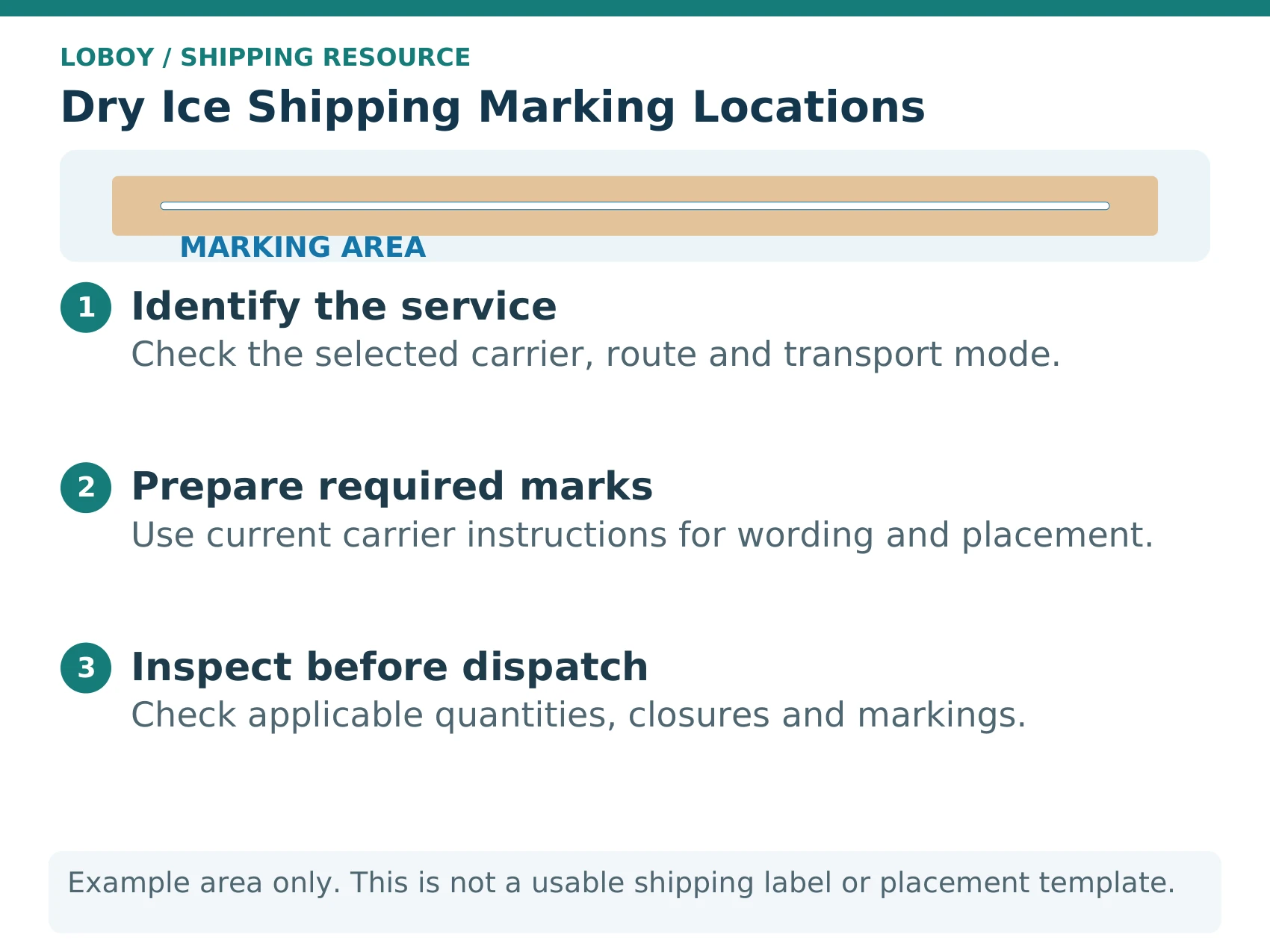
Dry-ice rules vary by carrier, service, transport mode and contents. Confirm that the carrier accepts your contents and coolant. Check markings, labels, shipment data and documents before dispatch. International shipments have extra rules.
Use the current FedEx dry-ice instructions, UPS coolant requirements, or USPS Packaging Instruction 9A. Do not transfer one carrier's paperwork exception to another service.
Why do the carrier and transport mode matter?
USPS Packaging Instruction 9A prohibits dry ice in international mail. Domestic air and surface mail have different rules for quantity, markings and documents. A paperwork exception for one carrier or mode does not establish an exception for another.
Match the method to the application
The How to Ship Frozen Food shipping guide covers broader food-packing decisions. For the selected-method meat workflow, use Shipping Frozen Meat With Dry Ice.
If the product needs refrigeration rather than deep freezing, compare the gel-pack method. Choose coolant for the product’s required condition, then evaluate the complete system.
Dry-ice shipping questions
Can dry ice replace gel packs without another test?
Changing coolant changes both cooling and handling. Check whether the new coolant suits the product, then test the new arrangement before use.
Does the box need extra holes?
Use a package design that releases gas as required by the carrier. Do not improvise openings that weaken the carton. Check the closure method against the carrier's packing instructions.
Use the carrier branch that matches the shipment
- FedEx: Confirm training, accepted services and outer-package approval
- UPS: Distinguish ground and air preparation, contents and coolant amount
- USPS: Dry ice is prohibited internationally; domestic air and surface rules differ
Use the linked official instructions in this shipping guide to confirm the actual requirements. This planning list does not replace carrier instructions or cover other dangerous goods.
For a selected service, use the FedEx dry-ice procedure or UPS dry-ice procedure. Review dry-ice labels before organizing the station's release check.
Plan coolant quantity and duration as separate parts of the trial. The dry-ice quantity shipping guide concerns the tested load; the dry-ice duration shipping guide explains the evidence needed for a shipping window. A regulatory allowance is not a performance recommendation.
Compare LoBoy Packaging for Shipping With Dry Ice
For packaging options, compare LoBoy insulated shipping coolers and shipping supplies. Share the proposed payload and packing arrangement with the LoBoy Client Solutions Team. Select suitable cooler options, then validate the dry-ice system with your shipping and safety requirements.