How Much Dry Ice Do I Need for Shipping?
A useful starting estimate is 5–10 pounds of dry ice for each 24 hours of protection. Use that figure to plan a trial with your actual product, cooler and delivery conditions. The amount you need can vary with the load, insulation, dry-ice form, starting temperatures and weather.
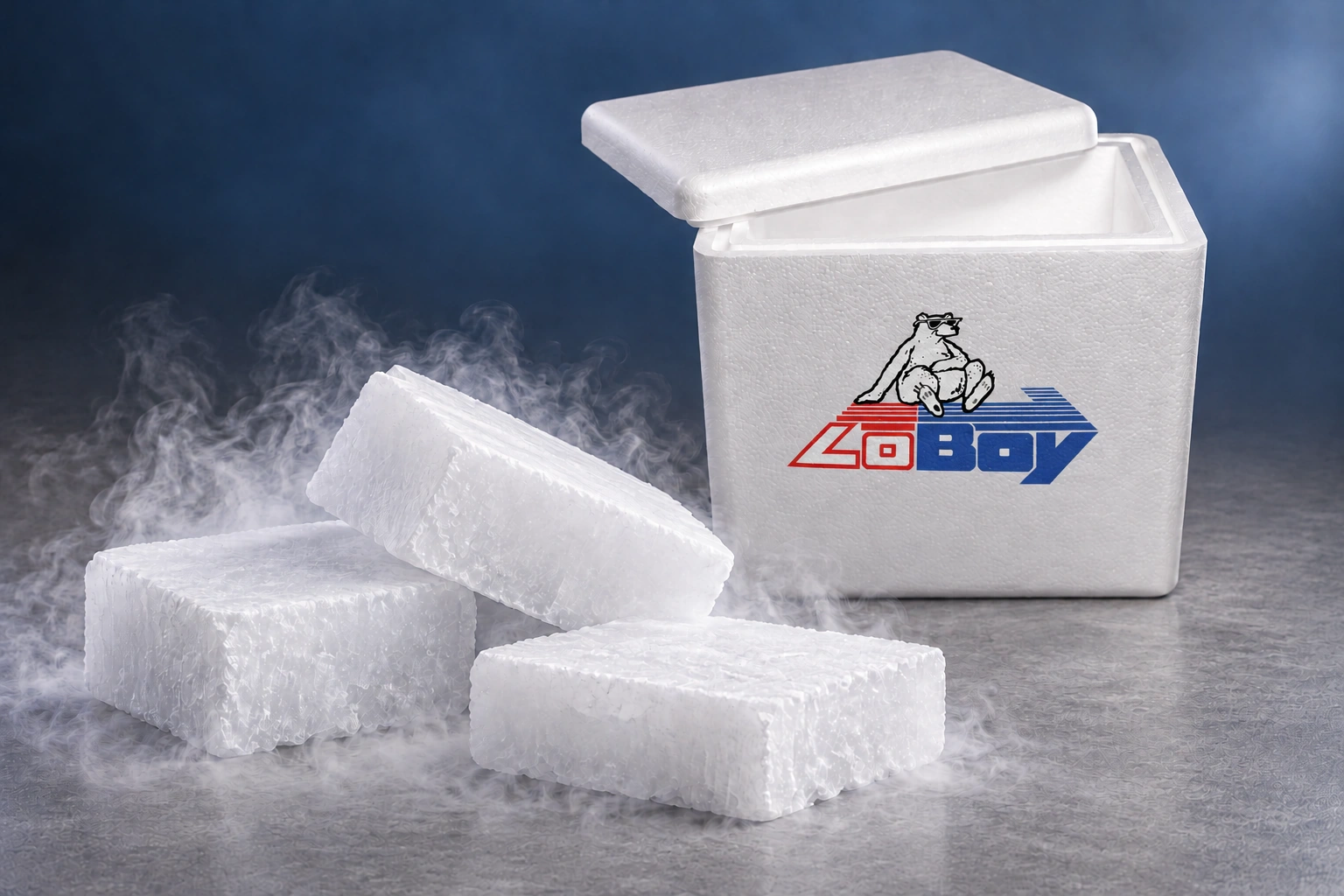
Start by counting the full time the product will spend outside suitable storage. Then choose an initial amount, check the carrier's limits and test the complete package. That gives you a practical basis for deciding what to put in each order.
Estimate the amount for the full shipping period
The UPS dry-ice guide uses 5–10 pounds per 24 hours as a rough sublimation allowance. Sublimation is the change from solid dry ice into carbon dioxide gas. Extending that daily figure gives these starting estimates:
| Time to protect the shipment | Starting estimate | Approximate metric equivalent |
|---|---|---|
| 24 hours | 5–10 pounds | 2.3–4.5 kilograms |
| 48 hours | 10–20 pounds | 4.5–9.1 kilograms |
| 72 hours | 15–30 pounds | 6.8–13.6 kilograms |
These are planning estimates, not measured performance results for a particular LoBoy cooler. They don't establish that every product in every package will remain at the required temperature for the listed period.
For example, if the planned trip is 48 hours and you want another 24 hours for delays, evaluate a 72-hour package. The table suggests 15–30 pounds as an initial range to consider. Check whether that amount can travel on the chosen service and fits your package before testing.
Include packing, pickup and receiving time
Count the time from packing until the recipient places the product into suitable storage. Waiting for collection uses part of the package's protection time. So does the period between delivery and someone bringing the parcel inside.
Check receiving hours and dispatch schedules before settling on the time you need to cover. A two-day carrier estimate doesn't account for every hour at either end of the trip.
Use route and seasonal conditions in your trial. The same arrangement may face different heat exposure on a hotter route or during a delay. Record those conditions so you can tell which deliveries the result supports.
Measure the real load and reserve space for coolant
Put together the product in its final inner packaging, including protective layers. Record its weight, dimensions and starting condition. Confirm whether it needs to remain frozen or meet another defined temperature requirement.
Try the load with the proposed dry ice inside the cooler and outer carton. Check that the lid closes normally and that the product has appropriate separation from unsuitable direct contact with the coolant.
Two orders with the same weight can leave different spaces around them. A large roast may occupy room that several flat packs leave available for dry ice. Include load shape when choosing and evaluating the arrangement.
For food orders with changing selections, the frozen-food dry-ice quantity guide applies these decisions to menu-based loads.
Record the amount that goes into the box
Weigh the dry ice at packing. The amount purchased earlier can differ from what remains when the order is assembled. Keep net dry-ice weight separate from the total parcel weight.
Record the form as well as the amount: blocks, pellets or another format. Include the positions and any separators in the packing record. A change in form can change fit and contact, even when the total weight stays the same.
Start the product in the condition your process requires. Don't assume the coolant will correct an order that begins too warm. The starting condition belongs in both your test record and daily instructions.
Test the proposed quantity with the complete package
Use the actual product, wrapping, supports, cooler, outer carton and dry-ice arrangement. Photograph the layers and choose temperature-monitoring positions before closing the parcel.
Measure in places that help you assess the product across the load. Remaining dry ice or a favorable reading near the coolant doesn't establish that every item stayed within its requirements. Review the temperature record through the full planned period.
Inspect for leaks, damage and movement afterward. As dry ice disappears, it leaves space, so check whether the product remains supported near the end of the trip.
If you compare two amounts, keep the product, container, layout and exposure consistent where practical. That helps show whether changing the dry-ice weight improved the result.
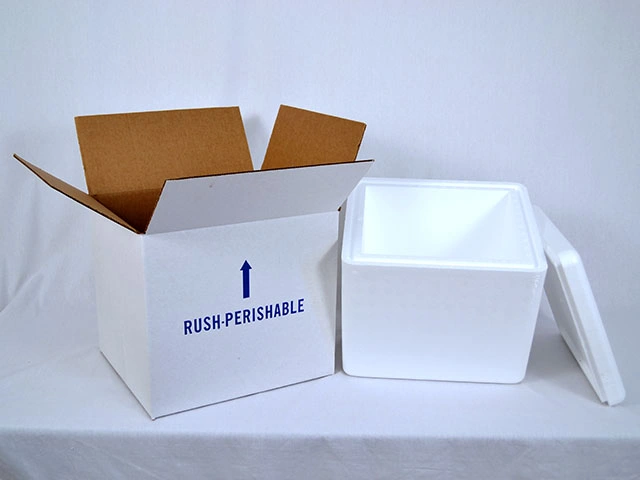
Browse LoBoy shipping coolers
Review the results before changing the quantity
If the product becomes too warm, check the starting condition, insulation, closure, layout and actual timing as well as the coolant amount. Extra dry ice may help, but another part of the package may also need attention.
Choose the next change based on what the trial shows, then evaluate the revised arrangement. If you change the cooler, product count and coolant together, record the complete new setup rather than attributing its performance only to the added dry ice.
Keep unsuccessful findings with the successful results. They help explain the final decision and identify changes that need another test.
Check carrier limits before adopting the tested amount
The amount your product needs and the amount a carrier permits are separate questions. Requirements can depend on the service, route and contents. Use the current instructions for the actual shipment.
If the required coolant amount isn't permitted on your chosen service, review the service or complete package. Reducing dry ice to satisfy a limit changes the arrangement and may affect how long it protects the product.
Use the dry-ice label and carrier preparation guide when completing the final markings and shipping entries. Recheck weight fields if you add coolant after preparing them.
Keep safe handling and gas release in the packing plan
Dry ice releases carbon dioxide gas. Check the inner layers, lid, outer carton and closure together so that gas can escape. Don't make the package airtight to try to reduce coolant loss.
Use appropriate handling protection, ventilation and training, following the supplier's and carrier's instructions. Include those steps in the process before packing begins.
Write packing instructions for the successful arrangement
Specify the product range, cooler, carton, dry-ice weight, form, placement, protective layers and closure method. Include the starting conditions and delivery period the tests support.
Give staff a way to flag an order outside that range. A smaller load in the same cooler or a new destination may need review before you reuse the previous amount. Keep the current directions at the station and retain earlier records for investigating past orders.
The dry-ice shipping guide covers the broader process. Bring the product dimensions, coolant space and delivery needs to the LoBoy Client Solutions Team when comparing LoBoy insulated shipping containers. Then evaluate the complete arrangement with the actual order you plan to send.