How Much Dry Ice for Frozen Food Shipping?
Start with an estimate of 5–10 pounds of dry ice per 24 hours of shipping time. That is the planning range in FedEx’s dry-ice shipping guidance. Use it to plan your first frozen-food trial, then adjust the quantity for your food load, cooler and route.
Food weight alone cannot establish the amount needed. Cargo shape and starting temperature, container size and wall construction, coolant form and placement, outside temperatures and the full shipping window all affect the result.

A practical starting quantity for your first trial
| Planning window | Dry-ice estimate |
|---|---|
| 24 hours | 5–10 lb (about 2.3–4.5 kg) |
| 48 hours | 10–20 lb (about 4.5–9.1 kg) |
| 72 hours | 15–30 lb (about 6.8–13.6 kg) |
The longer-window figures are arithmetic extensions of the daily range, not measured performance for a LoBoy cooler. FedEx suggests allowing another 24 hours for possible delays. For a 48-hour journey plus that allowance, use a 72-hour planning window: an initial estimate of 15–30 pounds, subject to the selected carrier service’s quantity limits and your trial results.
Understand what the sublimation estimate tells you
Dry ice turns directly from a solid into carbon dioxide gas. LoBoy’s existing shipping resources describe a rough loss of 5–10 pounds over 24 hours, with insulation affecting the rate. That is a useful ballpark, not a fixed loss rate for every box. Pellets and solid blocks expose different surface areas, and warm staging or a larger container can change the result.
Start with food already frozen to its required shipping condition. A tightly arranged stack of meal trays and an uneven load of bulky food packs can need different coolant positions and support. Reserve space for dry ice and protective layers without forcing the lid shut. Keep the complete package able to release gas.
Weigh the dry ice at loading and measure product conditions through the full planned window. Use those findings to refine the estimate. The dry-ice shipping guide explains the broader packaging and handling decisions.
Build a useful trial record
Weigh the dry ice at packing and record the product load. Identify the cooler, carton and exact coolant arrangement. Note the time the food leaves controlled storage and the time the test ends.
Measure product conditions with a suitable monitoring plan. Remaining coolant can provide useful context, but it cannot replace the product acceptance criteria. Keep the package arrangement consistent when comparing trials.
Change one variable deliberately
If the first configuration misses the required window, investigate the cause. More dry ice may be one option. Better fit, improved insulation or a shorter route may also deserve evaluation.
Recheck carrier acceptance when changing the coolant amount. Carrier preparation requirements depend on the service and shipment. A higher load can affect weight, available space and handling.
Finalize a packing specification
Record the qualified coolant quantity for each approved order range. Include the conditioning and assembly process. Reassess it when the product, container or delivery plan changes instead of adding a permanent informal handful of coolant.
Build a food-specific quantity trial
Start with one defined order family, such as a particular combination of sealed meal trays. Record the food count and packed dimensions as well as weight. Two orders of equal weight can leave different coolant space.
For each trial, capture the dry-ice form, starting mass, location and product separation. Record the cooler, outer carton, starting food condition and exposure timeline. Compare product readings with the frozen-quality requirement established before testing.
If an edge tray fails while the center passes, investigate placement and exposure. Review the cause before increasing coolant across all shipments. If all measured positions miss the required window, review insulation, preparation and the route as well.
This page concerns frozen-food loads. The general dry-ice quantity guide covers the broader method. Follow FedEx's preparation requirements for FedEx shipments; a trial quantity is not carrier approval.
Start with a defined frozen-food order
Choose an order family before selecting a trial quantity. Record the food type, portion count, weight and packed shape. Include the inner packs and any layers needed to protect them. Two orders with the same food weight may occupy different space inside the cooler.
Set the required arrival condition before the first trial. Also define the full shipping window, from packing through the planned receiving time. Carrier transit time covers only part of that period. Include the wait for pickup and the time before the recipient opens the parcel.
Use a starting food condition that matches the daily process. A trial with colder food may not represent normal orders. Record that condition with the coolant weight so the result has a clear basis.
Select a starting amount without treating it as a promise
Ask the packaging or coolant supplier for a starting point based on the actual load and planned route. Treat that advice as a trial input. It does not establish how long every parcel will protect the food. The complete package still needs evidence for the conditions you plan to use.
Record the dry-ice form as well as its weight. Pellets and blocks can occupy different space and create different layouts. Keep the chosen form consistent across a comparison, or document the change as part of the trial.
Confirm how much room the coolant needs before closing the sample. Do not force the lid against food packs or remove protective layers to make an untested amount fit. If space is inadequate, review the container and layout.
Weigh the amount that enters the box
Dry ice changes from solid carbon dioxide to gas. The weight purchased is therefore not automatically the weight placed in each parcel. Weigh the amount at packing and record the time. Keep the handling process consistent when comparing trial results.
Include the time between collecting the coolant and packing the order in the operating plan. Follow the supplier's storage and handling instructions. Use suitable protective equipment and ventilation. Keep dry ice out of airtight containers and confirm the carrier's packaging rules.
Record the finished parcel weight and size as well. Additional coolant can affect shipping cost and available space. A higher quantity may also change the carrier's preparation requirements. Review those effects before turning a test change into a routine instruction.
Interpret a failed quantity trial
If food misses its required condition, check the full record before deciding the next step. Was the food at the planned starting temperature? Did staff use the correct parts? Did the parcel face the exposure the test plan described? A wrong component or late pickup may explain the result.
Choose the next change deliberately. You might adjust coolant quantity, placement, insulation or the shipping window. Record the reason and retest the revised system. Changing several factors without a record makes it harder to learn what produced the result.
Keep failed results with the passing trials. A successful center reading should not cancel a failed edge reading. The approved quantity must reflect the load and acceptance criteria in the plan.
Give staff a measured packing rule
After the system passes, specify the coolant form, weight and placement for the approved order range. Include the required food starting condition, parts and closure steps. A photo can help staff reproduce the layout.
State what to do when an order falls outside that range. Staff should have a clear review process instead of adding an informal handful of dry ice. Recheck the evidence when the food, box, coolant supply or delivery service changes.
Bring a complete trial load to the packaging discussion
Use the frozen-food workflow to connect coolant quantity with preparation, containment and receipt. Compare LoBoy insulated containers with the full protected load and coolant space in mind. Send those details to the Client Solutions Team.
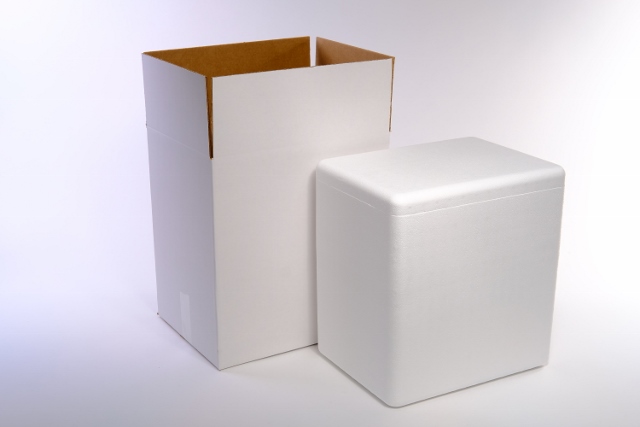
Browse LoBoy shipping coolers