How to Ship Frozen Food: Plan the Complete Packout
A frozen-food order can arrive below your customer's expectations. Your team then faces complaints, replacements and another packing review.
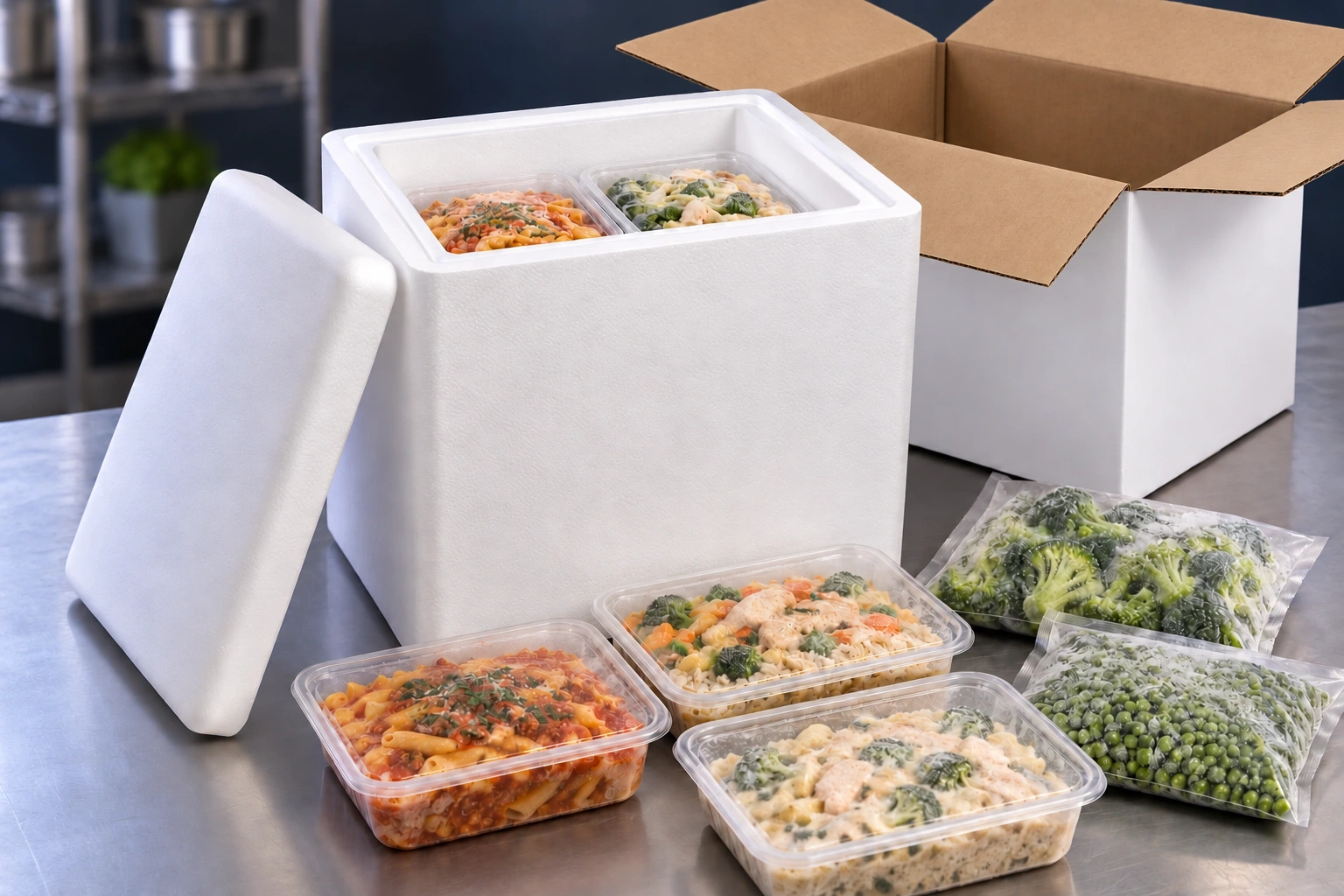
To ship frozen food, start with the condition the product must maintain. Choose the cooler, coolant and carrier service for the full order. Test that packout under the conditions your orders will face.
A carrier's time estimate and a cold pack help you plan. Neither proves how the food will arrive.
LoBoy supplies food businesses with insulated shipping coolers and gel packs. Plan the packout before comparing containers. Explore How to Ship Perishables.
Define what a successful arrival means
Frozen meals, desserts and other frozen foods can have different quality requirements. Define the condition your customer expects. Set clear rules to judge whether each product meets that standard. A chilled-food receiving rule does not tell you whether a product has kept its required frozen quality.
Record the food's starting condition. Pack food in its required condition. Do not rely on the shipping package to finish freezing it. Keep goods in appropriate storage until the packing station is ready.
Give the recipient clear inspection and storage instructions. Decide how your team will handle damaged packs, delivery delays and failed arrivals. Set that process before your team releases an order.
Build cooler selection around the actual order
Cooler selection requires both load dimensions and weight. A stack of flat meal trays, a tall dessert tub and a mixed order can create different fit problems at similar weights. Use the frozen-meal shipping guide for meal-order planning and the ice-cream shipping guide for that product’s more specific requirements.
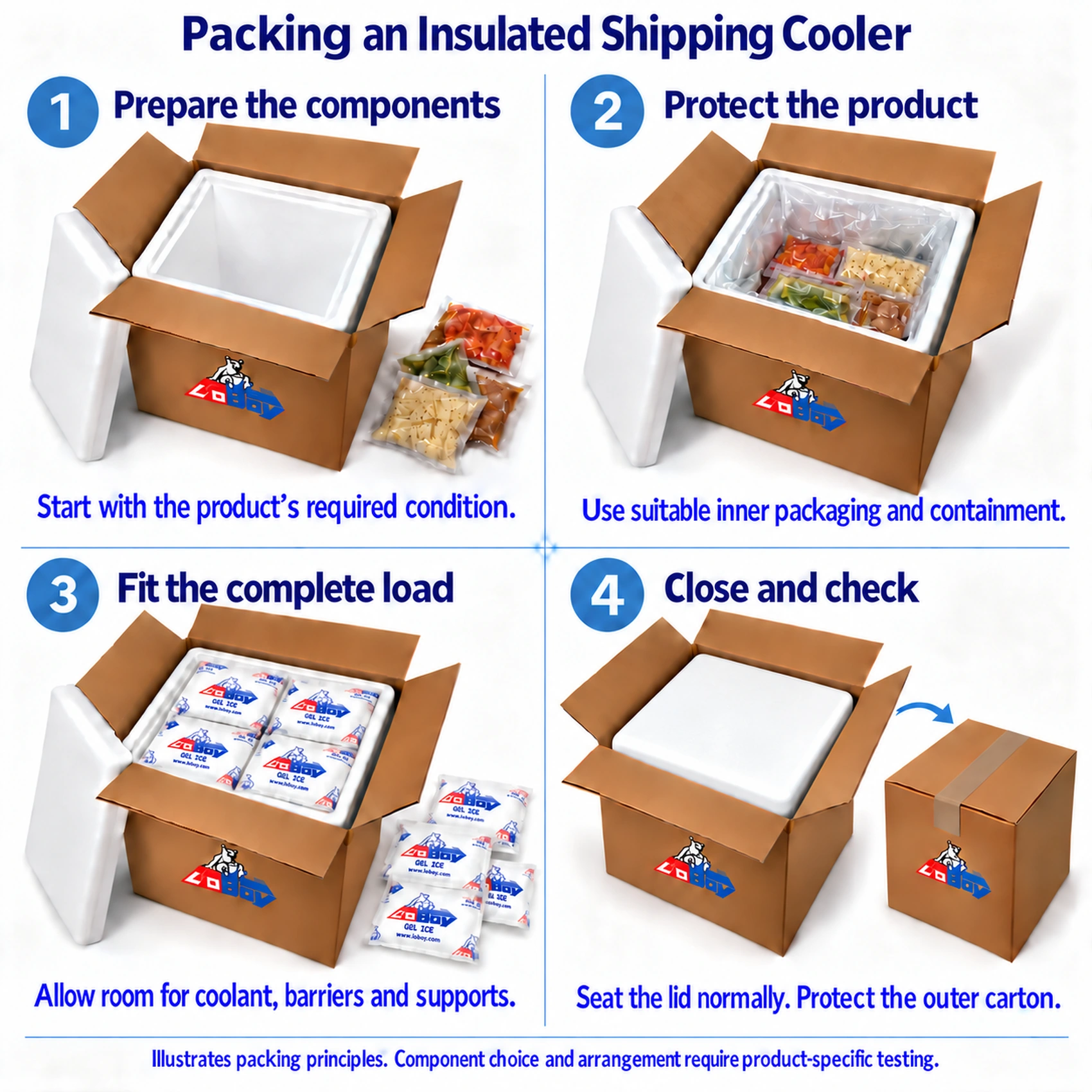
Measure the sale units with their lids, sleeves and protective packaging. Add the coolant, leak containment and required barriers in their planned positions. Check internal dimensions and lid clearance against the complete load.
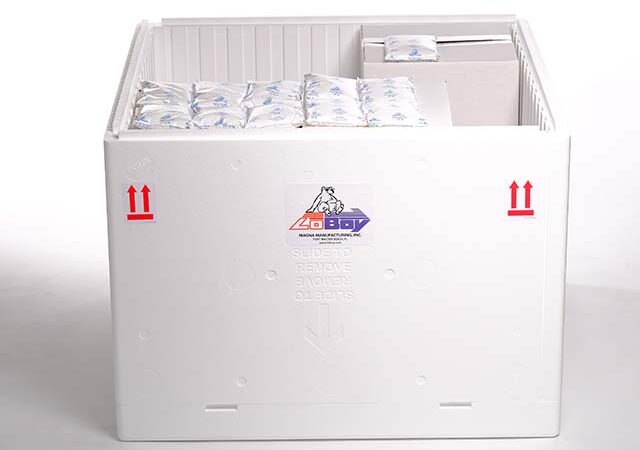
Check the fit of the food, coolant and protective packaging together. The cooler lid should seat correctly, and the outer carton should close without forcing the load. Protect vulnerable seals from pressure and abrasion. Protect fragile lids from loads beyond their design limits.
Small orders may move too freely in a large container. Larger orders may leave too little room for coolant. Use a different packout for each order range when needed.
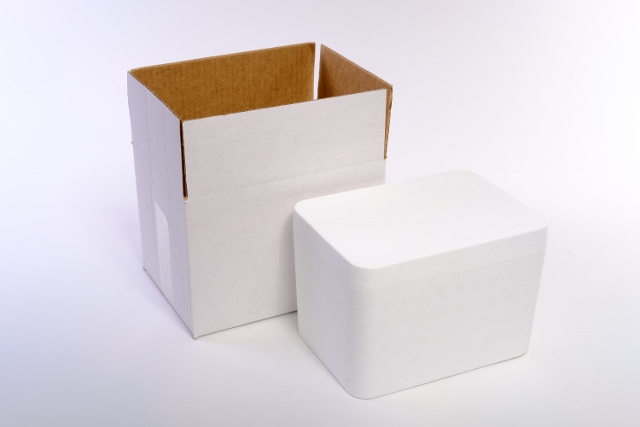
Compare LoBoy insulated shipping coolers. The frozen-food insulation guide examines the packaging choices in more detail.
Choose a cooling method with the whole system in view
Dry ice shipping is one method used for frozen food, but it adds handling tasks and carrier rules. It releases carbon dioxide gas, so the package must permit gas release. Check the current rules for your service and contents before you choose the final package and labels.
FedEx treats foam inside a protective box differently from foam used as the outer package. Follow the rules for your service. The bare cooler must meet the selected carrier’s packing rules before pickup.
Gel packs for shipping require their own preparation and placement plan. A frozen pack does not prove the food will stay frozen for the full shipping window. Test the coolant formula, amount, placement and insulation as one system against the product’s needs.
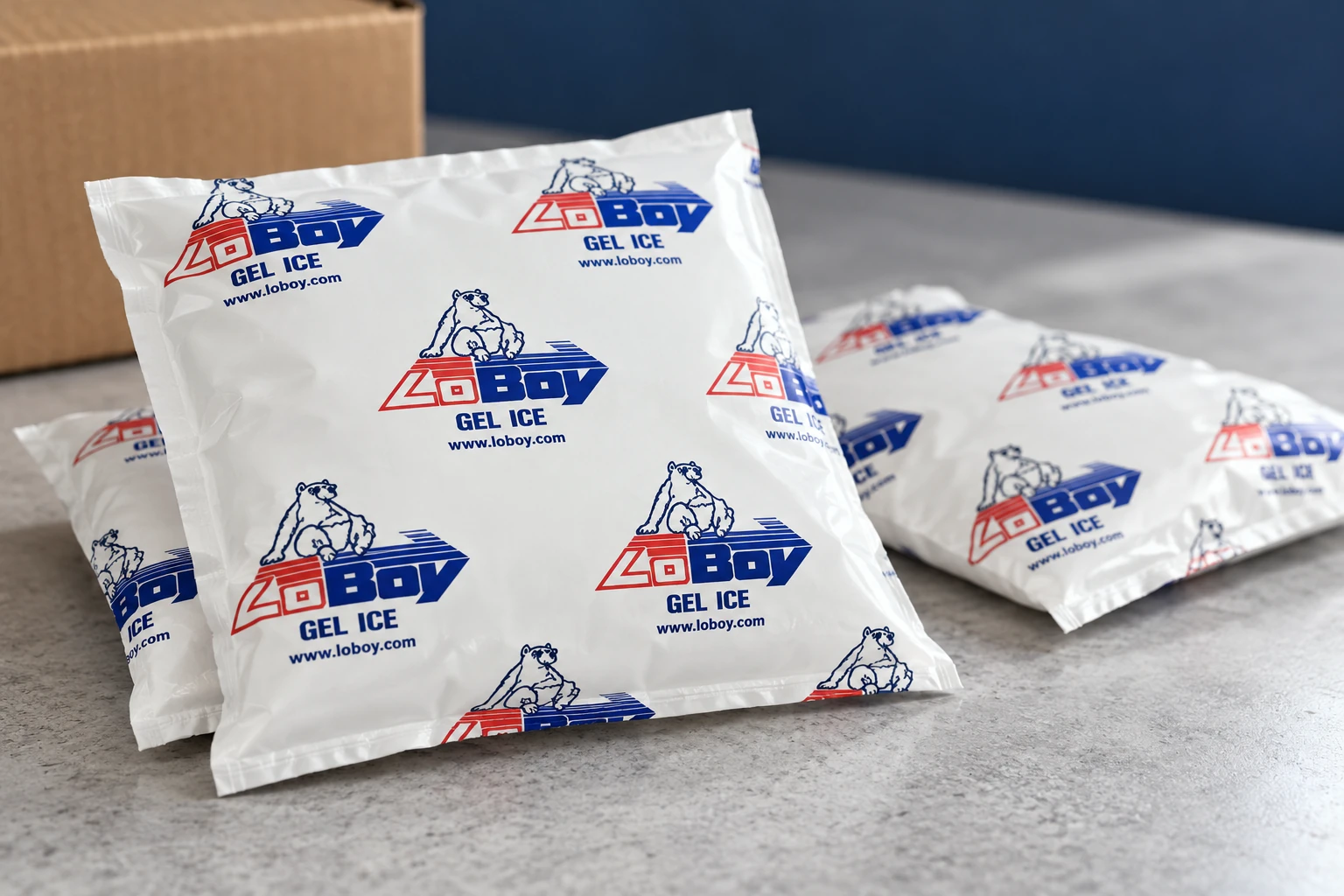
Do not swap coolant methods by matching weight alone. Changing the refrigerant changes the system you need to evaluate.
Review FedEx’s dry-ice shipping instructions for its applicable requirements. For coolant planning, use the dry-ice quantity guide for frozen food; a generic amount cannot prove that every order will meet its needs.
Make the packing sequence repeatable
Prepare clean containers, labels and protective supplies before bringing food to the station. Inspect the product packaging and contain leakage risks. Prepare coolant the same way you did in the tests.
Load food, coolant and barriers in the positions used in the tested packout. Secure the load against movement during transit. Leave the planned coolant space and gas-release paths clear. Place sensors where the test plan calls for them.
Before pickup, check lid fit, carton closure, the delivery address and the carrier’s packing rules. Record which packing configuration the team used. A photo of the tested packout helps staff repeat it. An attractive image does not prove it works.
Test the whole packing-to-receipt window
Plan beyond the carrier's transit time. Count packing time, the wait for pickup and the time before the customer stores the order.
Review the service’s pickup cutoffs, destination coverage and weekend or holiday schedule. Test representative routes, seasonal conditions and the delay allowance your program needs. Include the smallest and largest orders in the test plan. One trial does not cover every load.
The guide to how long frozen food stays frozen in shipping explains the factors to evaluate.
Record the cooler, outer carton, food load, starting condition, coolant amount and component positions. Track the product conditions that your pass-or-fail rules require. Remaining coolant is useful context, but it cannot describe every part of the food load.
If a trial fails, investigate the configuration and process before adding more coolant. Fit, preparation, placement or service choice may need attention. Retest the changed arrangement and document its operating limits.
Compare costs after the configuration works
Use the perishable shipping costs guide to compare packaging, coolant, packing labor and carrier charges for your complete frozen-food order.
A cheaper box or delivery rate may not mean a lower operating cost. Count packing materials, coolant, labor and carrier charges. Include the cost of orders that arrive in poor condition.
Compare alternatives against the same product requirements. Evaluate differences in the complete system and avoid treating extra coolant in one trial as proof of better insulation.
Get packaging options around your real menu
Bring LoBoy the dimensions of your protected sale units, order range, shipping window and quantities. The Client Solutions Team can help compare available cooler options. Your shipping team must set and test the final temperature-control process.