How Long Will Frozen Food Stay Frozen in Shipping?
Frozen food has no universal shipping duration in an insulated box. The result depends on starting temperature, food load, coolant, container and exposure. Establish your shipping window with tests of the complete package.
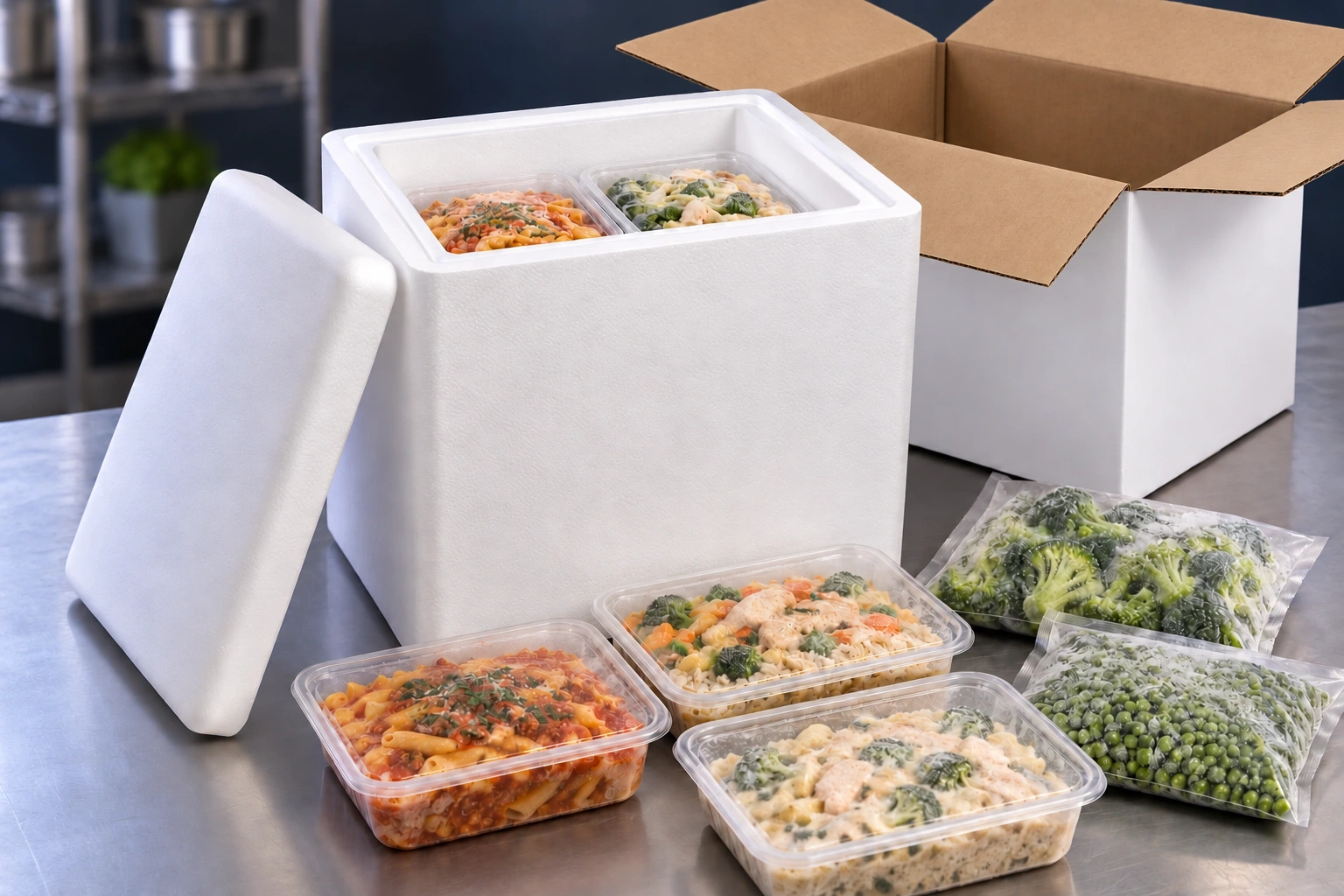
Measure the condition that matters
A remaining piece of dry ice does not describe every part of the food load. A cold outer bag also cannot establish product temperature. Choose monitoring locations and acceptance criteria that represent the actual product.
Include time outside the carrier network. Packing, collection and the interval before the recipient opens the box consume part of the protection window. Evaluate that full period rather than the advertised service time alone.
Test the difficult cases
Compare representative small and large orders. Examine warmer-season exposure and plausible delays. Record the exact coolant amount and arrangement used in each trial.
Evaluate each failed route or payload separately. Determine why it failed and whether the shipping specification needs a narrower operating range. Retest the revised configuration.
Use a defined shipping window
Document which combinations passed and what conditions the evidence covers. Give staff a clear rule for orders outside that range. Recheck performance after changes to the food, package or shipping process.
Write the timeline before promising a duration
Use the following record for each trial. These are fields to measure, not assumed protection times.
- Food leaves controlled storage: Time and starting product condition
- Package closes: Time, cooler identity and coolant weight
- Carrier collects: Time and service
- Delivery occurs: Time and package condition
- Recipient stores the food: Time and product measurements
Define monitoring positions before the trial. A tray near the lid and an item in the center may face different conditions. The test plan should explain which locations represent the load and how you judge the result.
If the package passes only until delivery, the test does not cover time on the doorstep. Shorten the allowed receiving window or evaluate a revised system. The frozen-meal guide covers tray-order variation; the dry-ice quantity guide addresses coolant trials.
Separate the delivery promise from the protection window
Shipping frozen food involves more than the carrier's transit times. The protection window starts when the food leaves controlled storage. It keeps running while staff pack the order, while the box waits for collection and after delivery. Write each stage into the plan before you promise a delivery window.
For example, a parcel can arrive within the carrier's service target yet wait outside before the customer returns. The package needs evidence for the full planned window. An on-time scan alone does not show that the frozen product met its arrival requirement.
Define the condition you need to protect. A commercial quality target for frozen food products may be stricter than a basic food safety check. Keep those decisions separate. Box temperature or remaining ice cannot establish the temperature of every food item.
Record the factors that change the result
The food's starting temperature, mass and shape affect the trial. The box, insulation, coolant and gaps around the load also affect performance. Record the exact parts and their arrangement. If the setup changes, the old duration result may no longer describe the new package.
A small order and a large order can behave differently. Test the planned order range. Include thin items near the lid and other locations that the test plan identifies as exposed. Do not assume that a reading from the center proves the whole load stays frozen.
Include weather and handling in the test plan. A route may involve warm staging areas and cooler periods in the same trip. Plan for temperature fluctuation that reflects the route and season. A trial in mild conditions should not become a summer claim without supporting evidence.
Choose coolant through a complete-package trial
Gel packs and dry ice serve different cooling needs. Do not assign either one a fixed shipping duration based only on its name or weight. Match the coolant to the required food condition, the full window and the shipping service. Test the selected system with the actual food load.
Record the amount of dry ice at packing and the layout used in the trial. For gel packs, record the pack model, quantity and starting condition. Follow the supplier's preparation instructions. Keep coolant changes visible in the records so you can explain why one trial differs from another.
Dry ice also brings handling, venting and carrier requirements. Confirm the current rules for the selected service before using it. A successful temperature test does not establish carrier acceptance. Review both parts of the plan before you ship your frozen food.
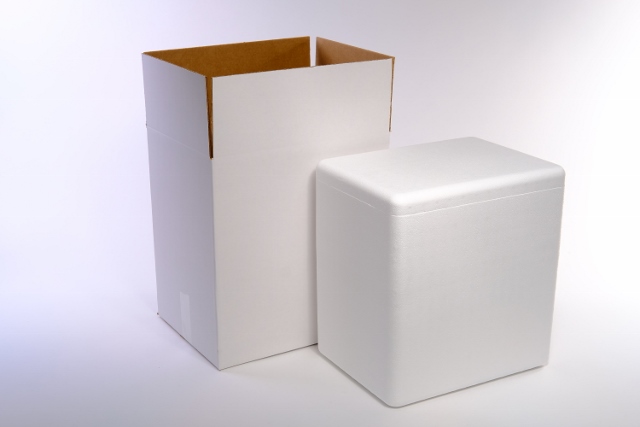
Browse LoBoy shipping coolers
Use readings to make a clear decision
Choose a monitoring method that suits the food and the trial. Record where each sensor sits and what it measures. Air inside the box can differ from the product temperature. The person reviewing the results needs enough detail to interpret the readings correctly.
Set the pass criteria before the test. Review each trial against those criteria and keep failed results as well as successful ones. Averages can hide a single weak location or a route that fails. Investigate that case before widening the shipping window.
Temperature sensitive food needs a clear exception process. Follow the business's food safety procedure for shipments outside the tested window. Apply the same process when the arrival condition is uncertain. Do not use appearance, smell or a taste test to declare it safe. Keep the parcel details so the team can review the cause.
Keep the cold chain plan current
Turn the passing layout into a written instruction. Include the food range, coolant, parts, packing steps and approved shipping window. State what staff should do with an order that falls outside that range. A clear stop rule prevents an untested order from entering the normal shipping process.
Review results after a change to the food pack, cooler, coolant or service. Seasonal changes may also call for new evidence. Use delivery and complaint records to identify problems. A lack of complaints does not replace a planned trial.
Choose a container for the tested window
The frozen-food guide connects your duration trial to preparation and carrier selection. Review LoBoy cooler options with the actual payload and exposure record. The Client Solutions Team can discuss available container fit.