Perishable Shipping Costs: Estimate and Reduce Cost per Order
Compare packaging, coolant, packing labor and carrier charges to understand what each successful delivery costs your business.
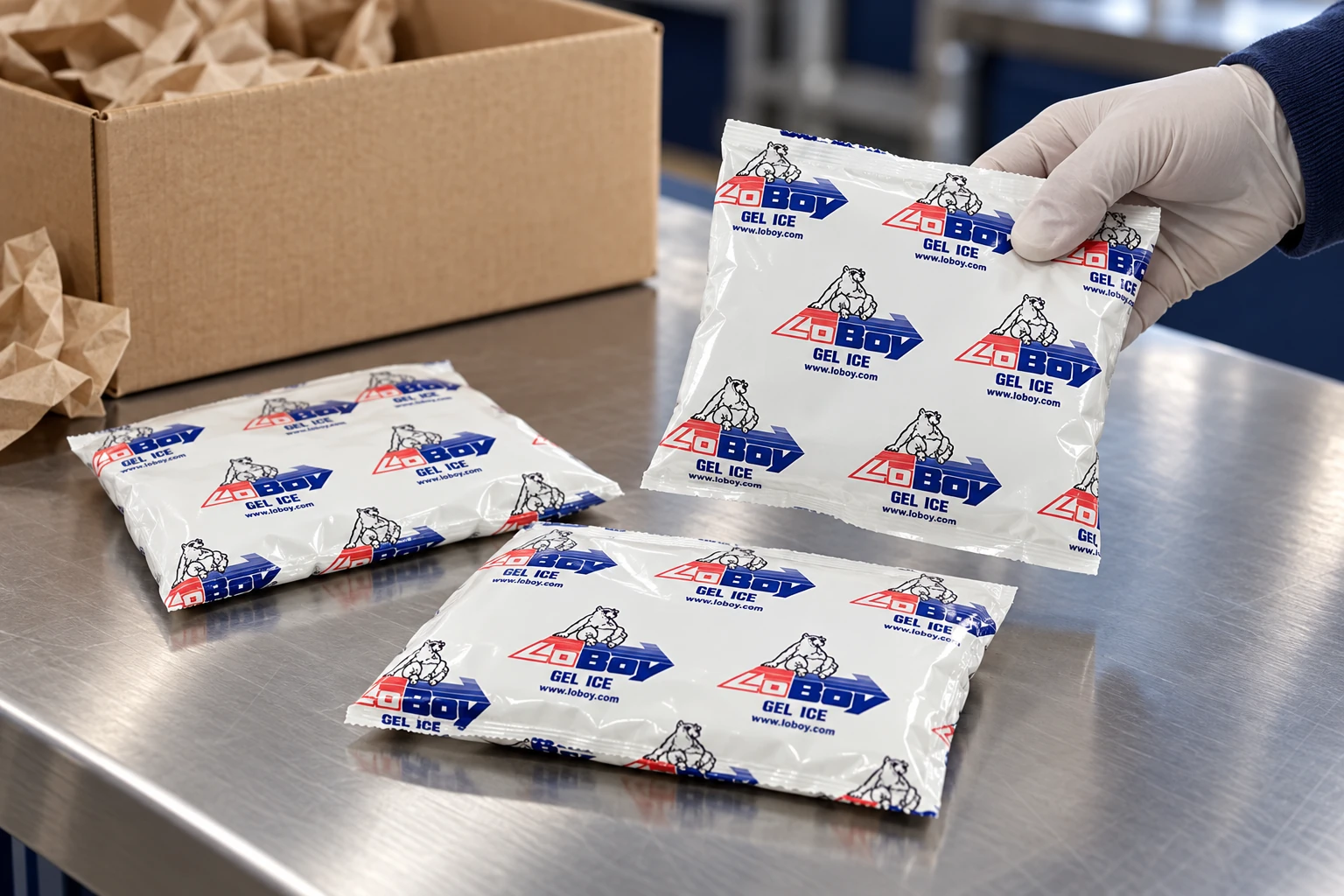
A shipping quote can tell you what the carrier will charge. It cannot tell you the full cost of delivering a perishable order in the condition your customer expects. The cooler, coolant, protective materials, packing labor and the cost of exceptions all belong in the decision.
This guide helps small businesses compare those costs, find avoidable expense and make practical improvements. It applies to frozen-food sellers, meat processors, seafood businesses, produce growers, dairy and bakery operations, meal-kit companies and other temperature-sensitive shippers. Refrigerated-medicine suppliers also need product-specific quality requirements that take priority over price.
LoBoy supplies insulated shipping coolers, reusable gel packs and related packaging materials. We help you compare packaging options; your carrier supplies transportation quotes. Start with the perishable-shipping guide if you first need to define the shipment.
How much does it cost to ship frozen food?
There is no single price that fits every frozen-food shipment. The total depends on the packed box, origin and destination, delivery service, account rates, coolant and preparation. Two orders with the same food weight can have different costs because their cartons, cooling requirements or routes differ.
Build an estimate from an actual packing configuration and a current carrier quote. A national average cannot tell a meal-prep business what its particular box will cost next Tuesday. An advertised delivery fee on another seller’s checkout may also be subsidized by its product margins.
Use this starting calculation: shipment cost = packaging + coolant + direct packing labor + carrier charges. Track storage, preparation, equipment and exception costs separately, then allocate them consistently when reviewing the wider business cost.
What affects perishable-shipping prices?
Route, delivery speed and receiving arrangements
Quote the actual origin and destination using the service you intend to buy. Compare representative local, regional and more distant destinations rather than planning from one convenient example. Include residential deliveries where they form part of your customer base.
A faster service can raise the transportation charge but change the cooling and packing requirements. A slower service can reduce the carrier quote while increasing other costs. Compare complete arrangements that meet the same product requirements. Use the overnight-versus-two-day guide to examine that decision.
Actual weight and dimensional weight
Weigh the finished outer carton with the product, insulation, coolant and protective materials inside. Measure the outside dimensions after closing it. Food weight alone leaves out components the carrier also transports.
Dimensional weight reflects the space a package occupies relative to its weight. FedEx explains that charges use dimensional or actual weight, whichever is greater, subject to its service guide and applicable contract. UPS also explains how dimensions can affect shipping-charge corrections.
For illustration, an 18 × 14 × 14-inch carton occupies 3,528 cubic inches. A 16 × 12 × 12-inch carton occupies 2,304 cubic inches. That is about 35% less external volume, but it does not establish a 35% rate saving. Apply the carrier’s current divisor, rounding rules, service terms and actual weight to each quote.
A smaller carton is useful only if the complete arrangement still fits and performs. Preserve space for coolant, containment and protection. See full-packout cooler sizing and reducing empty space before changing a standard box.
Cooler, outer carton and protective materials
Count the insulated container, outer carton, liner or bags, absorbent materials, cushioning, tape and labels. Include inbound freight when calculating the cost of supplies delivered to your packing location. A low purchase price can change once freight and usable storage are included.
Compare LoBoy shipping coolers by usable dimensions and the complete load. The wall-thickness guide explains why insulation choices need to be considered with fit and performance.
Coolant purchase and preparation
For dry ice, account for the amount purchased, usable amount at packing, purchasing frequency, handling and any applicable carrier charges. For gel packs, include purchase cost, conditioning time, freezer space, energy and staff handling. Keep estimates tied to the amount used in your documented arrangement.
Equal weights of two coolants do not establish equal results. Use the dry-ice guide and gel-pack selection guide for the method questions. Compare LoBoy reusable gel packs after defining the required product condition.
Packing time and process interruptions
Time the full repeatable packing cycle: retrieving components, inspecting seals, assembling the box, loading, closing, weighing and labeling. Count the work that happens between orders. A method that requires frequent trips to another room can consume more labor than its material list suggests.
Direct packing labor per shipment equals minutes per shipment divided by 60, multiplied by your chosen hourly labor cost. Use a consistent labor basis, and identify whether payroll burden is included. Avoid charging the same work twice through both a per-box labor figure and an overhead allocation.
Surcharges, corrections and seasonal changes
Compare the total quoted charge, including applicable fuel, residential, delivery-area, handling, demand and other charges. Not every shipment attracts every charge. Review invoices against the original quote and investigate recurring corrections.
UPS’s rates page directs shippers to its current rate and surcharge guides. Check current terms when quoting; keep a date with every saved estimate. Use the Arsenal’s FedEx, UPS and USPS guides for the corresponding shipping requirements.
Build a cost-per-order worksheet
Keep one line for each packing family your business actually ships. Record product and order size, package version, coolant method, finished weight, external dimensions, destination, service and quote date. Add material and labor costs, then compare the complete total.
| Per-shipment item | Arrangement A | Arrangement B |
|---|---|---|
| Cooler and carton | $7.00 | $8.00 |
| Coolant | $4.00 | $3.50 |
| Other packing materials | $1.00 | $1.00 |
| Direct labor at $24/hour | 6 minutes: $2.40 | 4 minutes: $1.60 |
| Carrier charge | $28.00 | $26.00 |
| Total | $42.40 | $40.10 |
In this illustration, B costs $1 more for its cooler and carton but $2.30 less overall. At 400 shipments per month, the difference is $920. Those savings apply only to the stated assumptions and volume. Neither arrangement represents a tested shipping system.
Replace every input with your own records. Add consistently allocated operating costs if you want a fuller figure. Compare minimum and maximum orders separately; one average can conceal expensive order types.
Find the cheapest suitable way to ship perishable food
The useful comparison is between options that meet your product’s required arrival condition. Start by identifying your largest avoidable cost from invoices, packing observations and exception records. Change that part of the process and measure the result before scaling it.
- Group repeatable orders. Define packing families for your common loads so staff do not redesign every box.
- Improve the fit. Reduce avoidable empty space while preserving the required insulation, coolant and protection.
- Compare complete service options. Use actual routes, dimensions and account quotes.
- Organize the packing station. Stage supplies and document the sequence to reduce searching and rework.
- Review purchasing quantities. Compare delivered unit cost with storage capacity, cash tied up and actual usage.
- Check the result. Confirm that the change remains within the requirements of your shipping program.
Do not assume the lowest material price produces the lowest cost per successful delivery. The cooler-packing guide helps connect component choices to a repeatable arrangement.
Different businesses have different cost concerns
Meat processors, farms and subscription meat sellers
Flat steak packs, bulky roasts, poultry and game can need different container sizes and protection. Cost each order family using wrapped dimensions and the selected coolant. Check monthly substitutions before treating a subscription box as unchanged. Continue with the frozen-meat guide.
Seafood sellers and distributors
Separate chilled fish, frozen seafood and live-product programs in the cost worksheet. Include containment, moisture control and the receiving arrangement appropriate to the actual product. A quote for frozen fillets does not define the program for live shellfish. Use the seafood guide for the relevant decisions.
Produce growers and online produce sellers
Record product-specific temperature needs, damage protection and usable life after arrival. Compare the cost of protective space with losses recorded from bruising or unsuitable conditions. Avoid assuming that a frozen-food packing method fits fresh produce. Start with the perishables hub and identify the requirements for the variety you ship.
Dairy, cheese and refrigerated specialty-food businesses
Account for chilled-product requirements, primary-package integrity, coolant conditioning and receiving instructions. The aim is the required product condition, which may include avoiding unintended freezing. Use the refrigerated-food guide to plan the shipment before comparing costs.
Bakeries, dessert sellers and frozen-food brands
Presentation can determine whether a delivery is usable for the customer’s occasion. Include trays, supports and protection for the actual item. Distinguish frozen desserts from products intended to arrive chilled or at another specified condition. The frozen-food guide provides the frozen branch.
Meal-kit, prepared-meal and e-commerce food companies
Mixed menus and changing portions affect the load, assembly time and coolant space. Cost the order ranges you sell and examine whether dispatch schedules support the promised receiving window. Keep frozen and chilled requirements distinct, particularly in mixed orders. Link the packing instruction to the appropriate refrigerated or frozen-food guide.
Refrigerated-medicine suppliers
Cost comparisons must remain within the product instructions and responsible quality team’s approved procedures. Include the packaging, conditioning, monitoring, documentation and exception handling that the actual program requires. Do not substitute a food-shipping estimate for those requirements. Consult the refrigerated-medicine guide.
Count losses without inventing a failure rate
Track spoiled or damaged product, replacement materials, replacement freight, refunds and customer-service time. Use actual records and define each category so one incident is not counted twice. A refund and replacement do not automatically occur together.
To estimate historical exception cost per dispatched order, divide the relevant period’s recorded exception costs by its dispatched orders. Keep this separate from the ordinary shipment subtotal. It can help explain why a cheaper box or service has not reduced total operating expense.
Customer trust and repeat business matter too, but attach a dollar value only when your data supports it. A packaging change cannot be credited with eliminating losses before you have evidence.
Cost questions small-business shippers ask
Is FedEx, UPS or USPS cheapest for frozen food?
No universal winner follows from the carrier name. Compare current quotes for the same finished package, route and appropriate service, then check acceptance and handling requirements. Account arrangements and applicable surcharges can change the result.
How much does shipping food with dry ice cost?
Add the usable dry ice, packaging, preparation labor and applicable carrier charges to the transportation quote. Purchasing and holding losses can affect the amount you must buy. Use your supplier’s current price and your documented packing quantities.
Can ground shipping reduce costs?
It may reduce the transportation quote on some routes. Whether it lowers the complete cost depends on cooling, packing and whether the actual shipping window meets the product’s requirements. Do not extend a shipping window solely because the rate is lower.
Should I buy coolers in bulk?
Compare delivered unit price with available space, cash flow, replenishment timing and usage. A larger purchase is useful when the container fits your repeatable order families. An inexpensive stockpile of the wrong size can add cost.
Does free shipping mean shipping costs disappear?
No. The business still pays fulfillment expenses. Assess the amount recovered through shipping charges and product margin, and check the result by order size and destination. A minimum order threshold should reflect your own numbers.
Can I use one shipping-cost estimate for every niche?
Use a common worksheet structure, but different product requirements and loads need their own inputs. Seafood, produce, frozen meat and refrigerated medicine should not inherit one another’s packing assumptions.
Bring your packing costs to the LoBoy Client Solutions Team
Prepare your complete packed dimensions, order range, shipment volume, current container, coolant method and shipping window. Include the recurring packing problem you want to solve. These details help the team compare suitable LoBoy coolers, gel packs and related supplies.
Contact the Client Solutions Team for packaging help, compare wholesale cooler options, or return to the Arsenal’s shipping guides. Obtain carrier quotes separately using your finished package and actual routes.
Office hours: 7 AM–4 PM Central, Monday–Friday.
Get a Free Quote
When you call us, you’ll get a satisfaction guarantee. Call us at (850) 243-1112 or request your free quote.
Get a Free Quote