How to Ship Refrigerated Medicine: Packaging Planning
To ship refrigerated medicine, start with the exact product's storage and transport rules. Define the allowed temperature range, then use a shipping process supported by evidence for that product. A cooler and cold packs alone cannot prove that the shipment meets those rules.
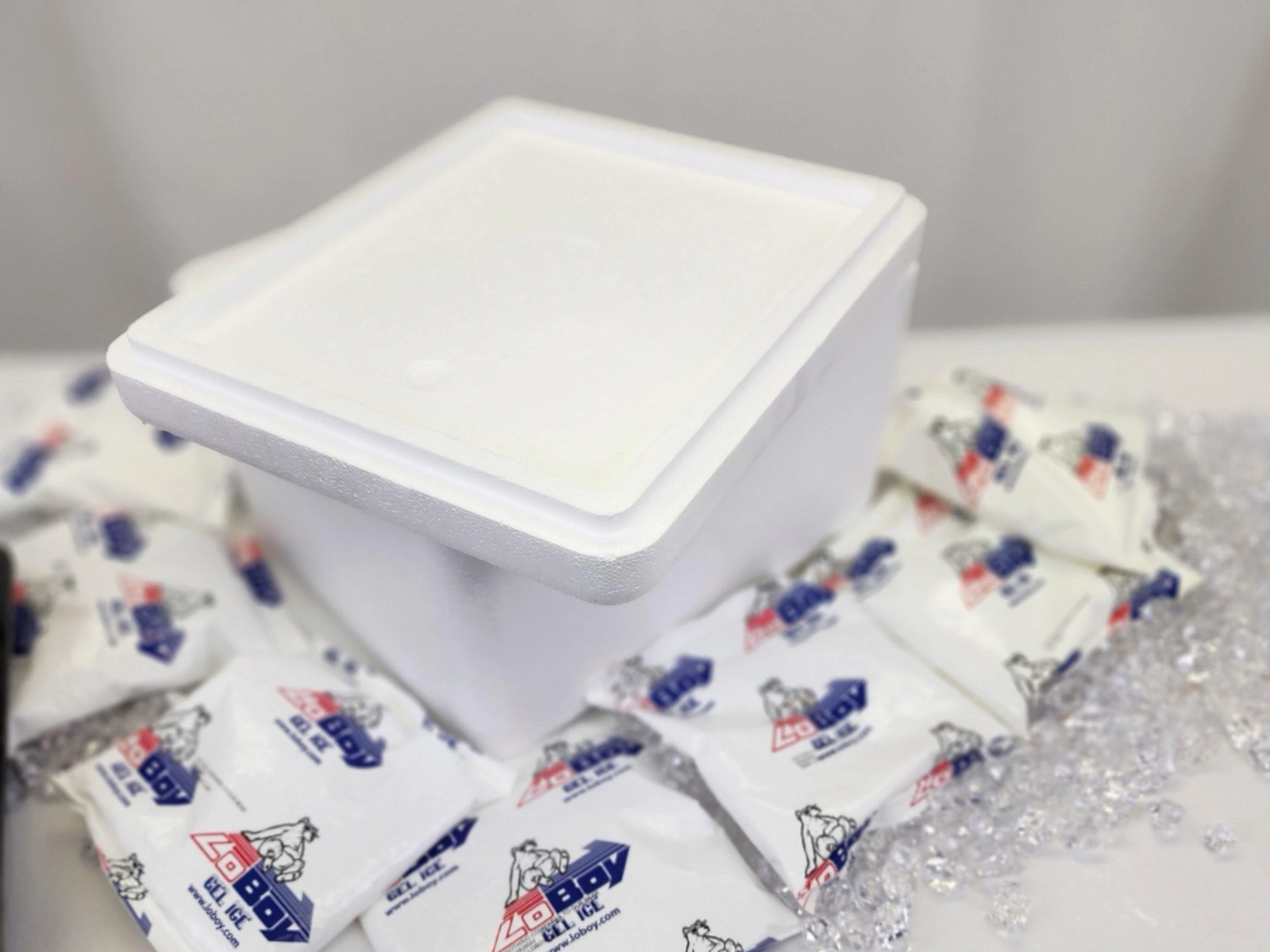
For products sensitive to temperature, control both heat exposure and excess cold. Define both limits before choosing the box. This is the starting point for cold chain shipping of pharmaceutical products.
LoBoy supplies medical shipping coolers and reusable gel packs for compounding pharmacies, specialty pharmacies and other professional medicine shippers. This shipping guide connects your product requirements to container fit, coolant preparation and a repeatable packing process. Use it alongside the product instructions and your pharmacy’s approved shipping procedures.
For other temperature-sensitive shipping applications, use How to Ship Perishables.
Plan around the medicines your pharmacy ships
A compounding pharmacy may dispatch small, high-value orders in different containers: a single vial, several syringes or a prescription with additional protective packaging. Those orders can need different support and coolant space even when they use the same delivery service. Define a packing arrangement for each order family instead of choosing a cooler from medicine weight alone.
LoBoy’s medical and pharmaceutical packaging page addresses compounding and specialty pharmacies, including programs handling injectables, hormone therapies and veterinary medicines. The exact preparation determines whether refrigeration is required and what shipping conditions apply. A medicine category or ingredient name alone does not establish those requirements.
Measure the medicine in its dispensing container with the protection it needs. Include any inner carton, tamper-evident closure, light protection, coolant barrier and temperature logger specified by your procedure. Check how a vial or syringe will be held in position and whether the complete arrangement fits without pressing on closures or seals.
Connect USP <797> and <800> requirements to your packing process
USP <797> addresses compounded sterile preparations for human and animal patients. USP <800> addresses hazardous-drug handling. They concern different requirements; refrigeration alone does not determine whether either chapter applies to a preparation.
Have the responsible pharmacist or quality team identify the applicable requirements before selecting the shipping components. Translate those requirements into written instructions for protective packaging, temperature control, handling, labeling and receipt. For hazardous drugs, resolve containment and exposure precautions through the pharmacy’s approved process.
The insulated cooler is one component in that process. Select it for the approved arrangement and retain the evidence supporting the complete shipment. A cooler purchase by itself does not certify compliance, preserve a sterile preparation’s integrity or establish how long a medicine can remain in transit.
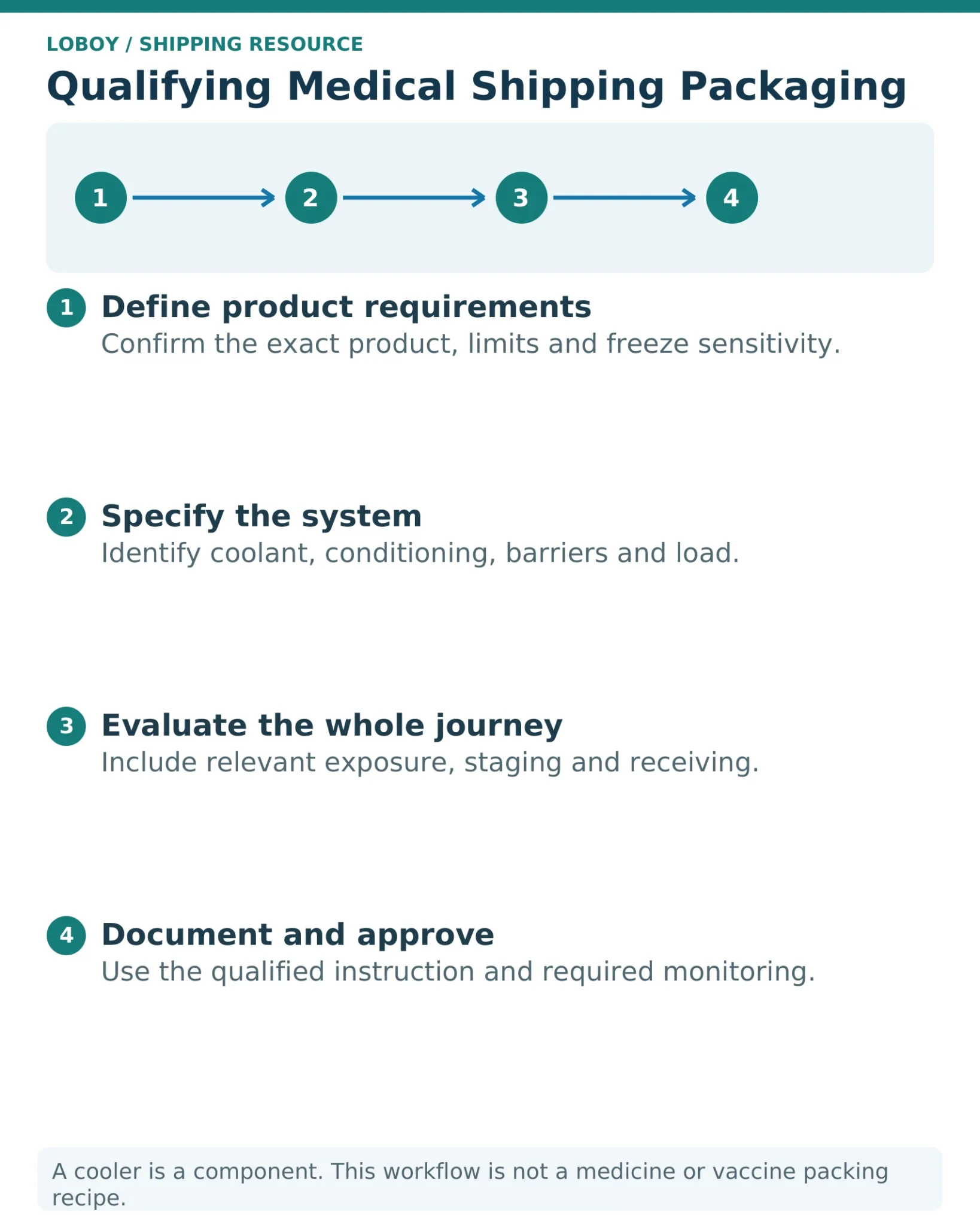
Build a requirement sheet before selecting packaging
Prepare the medicine at the starting temperature specified by its approved shipping procedure. Keep it in the required controlled storage until packing and limit exposure during assembly. Do not rely on general shipping gel packs to bring warm medicine into range. The manufacturer or responsible pharmacy or quality team should resolve starting-temperature and coolant-preparation requirements; do not freeze a refrigerated medicine unless its product-specific instructions call for it.
Record the exact product, its packed form and the allowed time and temperature conditions. Obtain the manufacturer's instructions for shipping it. Different products can have different limits.
Check whether freezing can harm the product. Record how staff must handle receipt, delays and readings outside the allowed range. Have the responsible pharmacy or quality team approve the requirements.
Qualification means establishing that the proposed system meets the defined product needs under the conditions being assessed. It must address the actual packing plan and route.
Keep storage rules separate from shipping evidence. A storage label may not answer a question about transit. Resolve that gap with the manufacturer or quality team before choosing a shipping window.
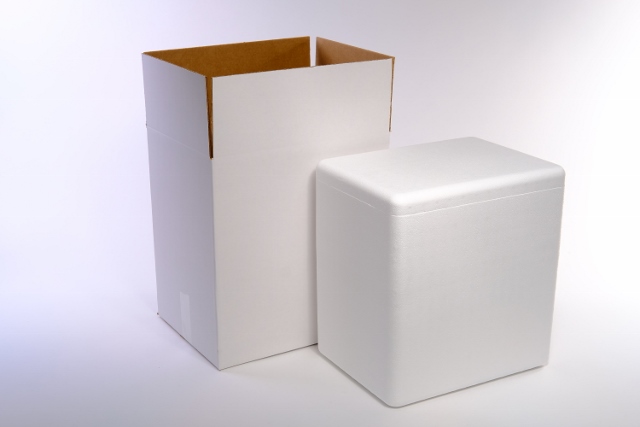
Match the insulated container to the entire arrangement
Measure the product with its inner and outer protective wrapping. Add coolant, barriers, padding and space for sensors. Build a trial load to check inside dimensions and lid fit.
Review the selected LoBoy medical cooler against the full trial load. A category name or sales claim is not proof of performance at your required temperature.
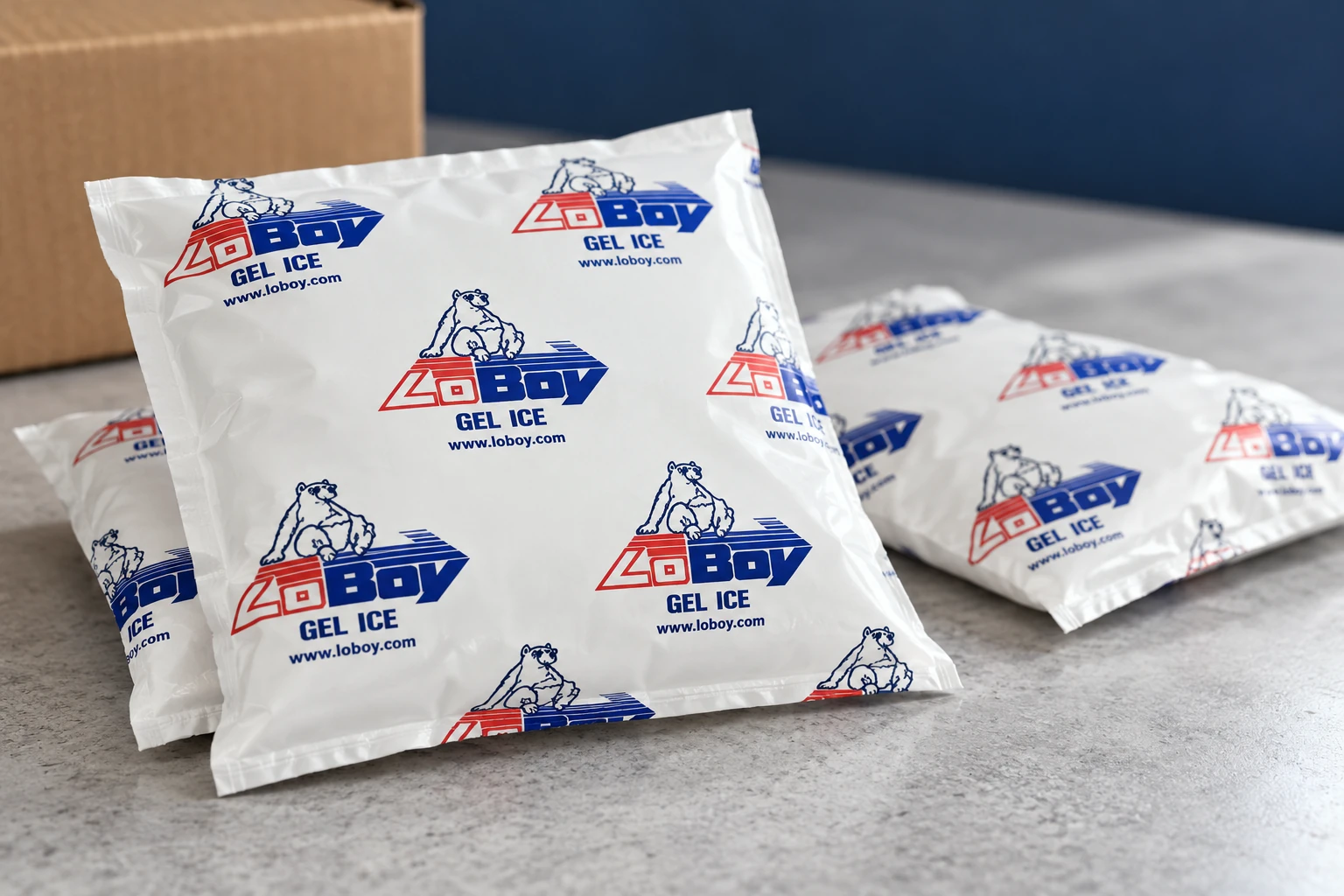
Control coolant preparation and separation
Use the coolant specified in the approved packing design. Record the unit used to prepare packs, the time and conditions, and the handling steps. Staff need a method they can repeat.
The product may need a barrier against direct cold contact. Specify its material and position. Staff should follow the approved layout rather than choose a layer by feel.
For general pack-preparation planning, review gel packs for shipping. The product's own rules still govern the final choice.
When comparing available LoBoy gel ice packs, record the exact pack in the trial. A change in pack size or formula changes the system, even at a similar total coolant weight.
Qualify the shipment, then document the packout
Assess the smallest and largest loads the plan must cover. Include route conditions, seasons, carrier handoffs and delays. Place sensors as defined in the approved study plan.
List every component and where it belongs. Include pack condition, loading order, closure, labels and checks before dispatch. State which changes need a new review.
Keep the shipping evidence separate from leisure-cooler ice tests. A different load, coolant or test setup answers a different question. An unrelated result cannot establish that your drug shipment will meet its limits.
Verify carrier and receiving arrangements
Confirm that the carrier accepts the actual contents, route and service. Some drugs, biological materials and coolants have extra rules. Choosing packaging does not grant the right to ship those contents.
Arrange receipt by someone who can follow the product's storage rules. For a mail-order program, define who handles a missed delivery or a failed receiving check. Retain the package and sensor records for review.
Set a clear exception-review process
Name the person who reviews delays, damage and temperature concerns. Keep shipment and sensor records with the report. The responsible pharmacist or quality team decides what happens to the product using its instructions and the evidence.
A cold pack left in the box does not prove that the product is fit for use. A cooler purchase or customer-service credit cannot settle that decision.
Refrigerated medicine packaging questions
Does a medical cooler certify the whole shipment?
The cooler is one part of the system. Proof must cover the product, packing plan and actual conditions. Any compliance claim needs the relevant supporting evidence.
Can I increase transit time after a successful shipment?
One successful delivery cannot prove a longer shipping window. Have the quality team assess the proposed time and conditions before changing the plan.
Separate system design, coolant choice and assembly
Use the medical packaging-system shipping guide to define requirements and evidence. Use ice-pack selection for medicine to assess a coolant component. Use medical packing instructions to assemble an approved arrangement.
Keep those tasks distinct. Buying components cannot prove a system works. A packing checklist cannot decide whether a product remains fit for use after an out-of-range reading.
For vaccines, the CDC storage and handling toolkit describes qualified transport systems. It warns against frozen gel packs for refrigerated vaccines. A general food-cooler setup is not a vaccine shipping method.
Vaccine guidance does not set the rules for every drug. Follow the exact product instructions and the responsible quality process.
Compare LoBoy packaging for your pharmacy’s shipping program
Use the LoBoy medical shipping cooler options to start a container discussion or request a sample for a trial fit. Bring the protected prescription dimensions, order range, proposed coolant, required shipping window and space needed for monitoring devices.
For an ongoing program, also discuss order quantities, delivery locations and any branding or size requirements. LoBoy’s medical packaging page describes bulk and branded programs and delivery to multiple pharmacy locations. Confirm current availability, lead times and the proposed components with the team before building them into your packing procedure.
Share the required dimensions, packing plan and order quantities with the LoBoy Client Solutions Team. Compare shipping solutions for fit while your approved process governs the final layout, temperature control and dispatch checks.