Overnight vs. Two-Day Perishable Shipping
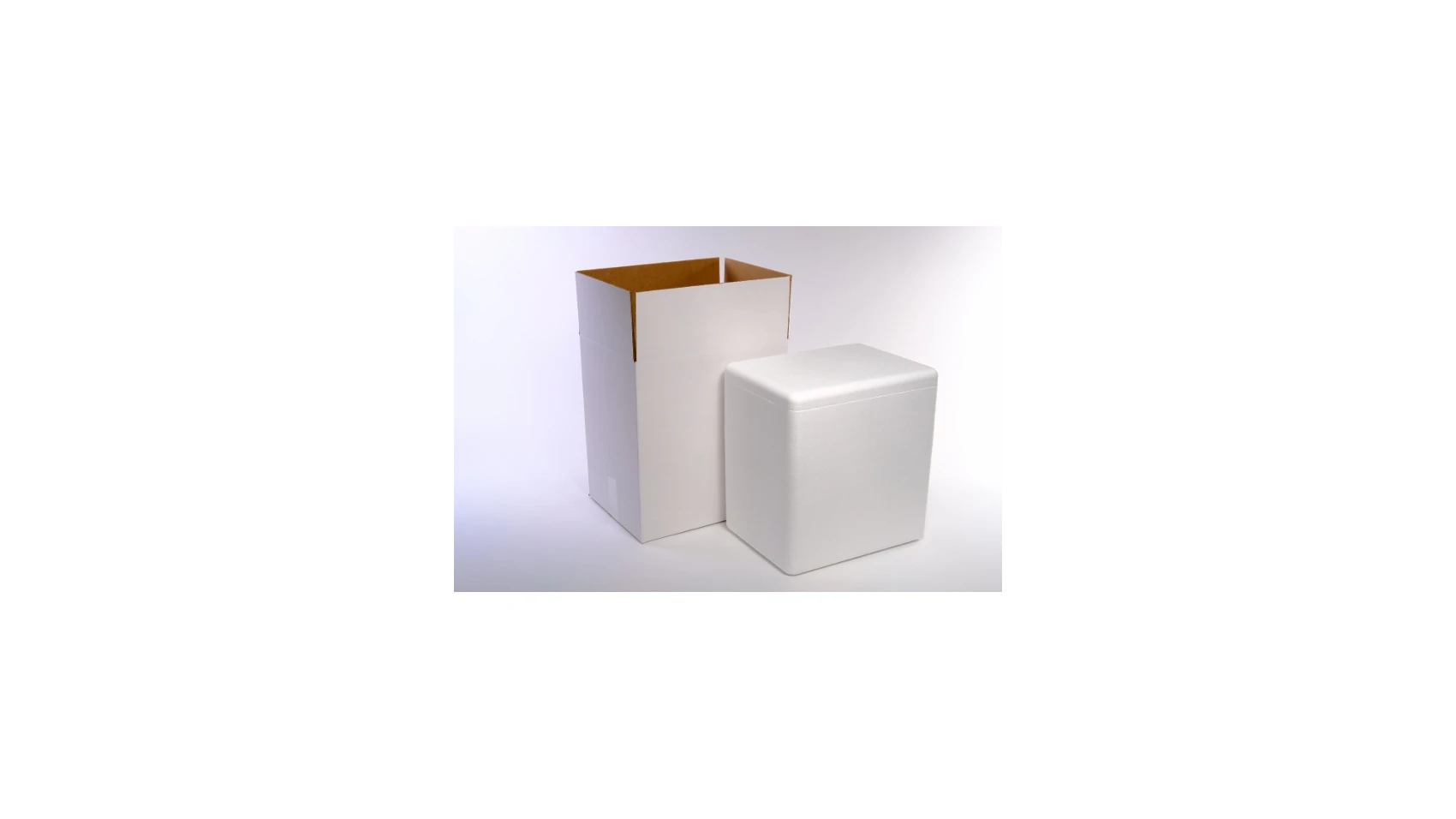
Overnight shipping gives a perishable order a shorter planned trip. Two-day service may offer a lower carrier price, but the package must protect the product for longer. The useful comparison includes the delivery service, cooler, coolant, packing labor and the condition the customer receives.
Choose two-day service when the complete arrangement has evidence that it can maintain the product's requirements for the longer journey and intended delay allowance. Choose overnight when its shorter schedule is needed—and still use packaging capable of protecting the order through the full shipping window.
Start with the condition the product must maintain
Decide whether the order needs to stay refrigerated, frozen or within another product-specific range. Consider quality as well as temperature: a delicate dessert, fresh produce or a prepared salad may have texture and appearance requirements that differ from a sealed frozen product.
Use the same product requirements when comparing services. If the overnight version must arrive frozen but the two-day version is allowed to arrive thawed, you are comparing different promises to the customer. Decide whether that change is appropriate before treating it as a shipping saving.
For medical products, use the manufacturer's instructions and the responsible quality team's approved shipping system. A food-shipping example cannot establish the conditions suitable for medicine.
Compare the hours from packing to storage
The carrier's transit description is only part of the journey. Include packing, waiting for pickup and the time after delivery before someone puts the contents into appropriate storage. Confirm the actual pickup cutoff, delivery commitment and receiving arrangements for the route.
For illustration, suppose you pack Monday at 9 a.m., the carrier collects at 3 p.m., and the customer refrigerates the order one hour after a 10 a.m. delivery. Delivery Tuesday would mean 26 hours in the shipping package; delivery Wednesday would mean 50 hours. Those are example schedules, not carrier commitments, and neither includes your additional delay allowance.
A missed pickup or an unattended receiving location can extend either plan. Check weekends and holidays for the actual service rather than assuming “two-day” always means arrival exactly 48 hours after packing.
Compare two complete packing arrangements
| Question | Overnight option | Two-day option |
|---|---|---|
| How long must protection last? | Full packing-to-storage timeline plus the intended delay allowance. | The longer packing-to-storage timeline plus the intended delay allowance. |
| Which package will you use? | Identify the tested cooler, coolant, barriers, dunnage and outer carton. | Check whether the same arrangement covers the longer exposure or a different one is needed. |
| What must arrive? | The product in its specified temperature and quality condition. | The same specified condition unless you deliberately offer a different, appropriate product promise. |
| What is the total cost? | Carrier quote plus the complete packing materials and labor. | Carrier quote plus any additional coolant, larger packaging or added labor. |
| What evidence supports the choice? | Temperature and handling results covering the proposed conditions. | Results covering the longer duration and relevant route and weather conditions. |
Extra coolant may help a suitable design, but adding it does not automatically turn an overnight arrangement into a two-day one. The added volume may change product spacing, lid clearance or contact with frozen surfaces.
Include insulation, coolant and dunnage in the comparison
LoBoy insulated coolers slow heat transfer. Coolant absorbs heat inside the package, and suitable dunnage cushions the contents and keeps the load positioned. All three contribute to protecting the shipment.
Check that each proposed cooler has room for the product and the cooling supply it needs. Preserve barriers protecting chilled items from freezing. If the longer trip requires a different cooler or coolant layout, test that complete arrangement.
Support the order as well as cooling it. A package that stays cold but arrives with crushed trays, broken jars or leaking pouches still needs correction. Check whether support remains effective after coolant changes shape or dry ice diminishes.
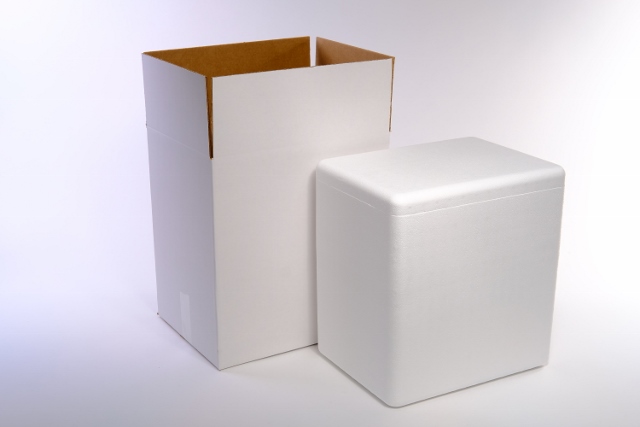
Browse LoBoy shipping coolers
Test the longer journey before offering it to customers
To find out whether two-day service is suitable, test a fully packed shipment under conditions similar to the intended route. Include the actual product, starting temperature, coolant preparation, supports and outer carton.
Measure representative product temperatures through the trial and inspect quality and package integrity afterward. Include the delivery window and delay allowance your plan is intended to cover. Consider relevant warm- and cold-weather conditions, since some refrigerated products can be damaged by excessive cold too.
Test small and large orders where their arrangements differ. A small load may have more room to move, while a full one may restrict coolant placement. Keep the results tied to the exact product, load and packing version.
Calculate the saving after including packaging and labor
Use the sample worksheet in the perishable shipping costs guide to compare the full cost per order for each suitable service. A lower transportation quote can be offset by differences in coolant, materials or labor.
Get current carrier quotes using each finished parcel's outside dimensions and loaded weight. Add cooler, carton, coolant, dividers, cushioning and assembly time. If the longer trip requires more material or a larger parcel, include those changes.
For a purely hypothetical example, a two-day carrier quote might be $18 lower while the additional packing materials and labor cost $7 more. The difference would be $11 per order before considering any other costs. These figures illustrate the arithmetic; they are not rates or expected savings.
Use actual records when accounting for replacements, refunds or unacceptable arrivals. Avoid inventing a failure rate to favor either service. Compare total costs only among arrangements that meet the product's requirements.
Define when each service can be offered
Record which products, order sizes, destinations and seasons each packing arrangement covers. You may find that two-day works for some orders while others need overnight. Make that distinction clear to staff and in the delivery choices customers see.
Give packers a specific instruction for late orders and missed cutoffs. State who can approve another service and which package it requires. Changing only the shipping label may leave the order in an arrangement that was never evaluated for the new schedule.
For carrier-specific preparation, use our FedEx, UPS and USPS perishable-shipping guides, then verify the current requirements directly with the carrier.
Arrange receipt and a response to delays
Confirm someone can receive the order and store the contents promptly. Provide product-specific inspection and storage instructions, safe coolant-handling directions and a clear contact for concerns.
Keep shipment tracking linked to the packing version, order and temperature data where used. A delivery scan establishes that a delivery event occurred; it does not establish the product's condition throughout transit.
Review delayed, damaged or unacceptable arrivals by route and packing arrangement. Use those findings to improve the package or service rule. Our overnight-food shipping guide covers preparation and receiving after you select overnight service.
Choose LoBoy packaging for the service you intend to use
Use the Ship Perishables hub for product-specific guidance. Share your protected load dimensions, temperature requirements and the two proposed timelines with the LoBoy Client Solutions Team when comparing LoBoy cooler options.
The better choice is the complete arrangement that meets the product's needs at an acceptable total cost. Keep the decision tied to actual quotes, measured performance and the route you plan to serve.