How to Ship Perishable Food with UPS
A UPS food shipment needs a suitable delivery service and packaging that protects the actual contents. Frozen meat, chilled meals, fruit and live seafood present different packing problems. Start with the product, then confirm the route, coolant and carrier preparation before taking orders.
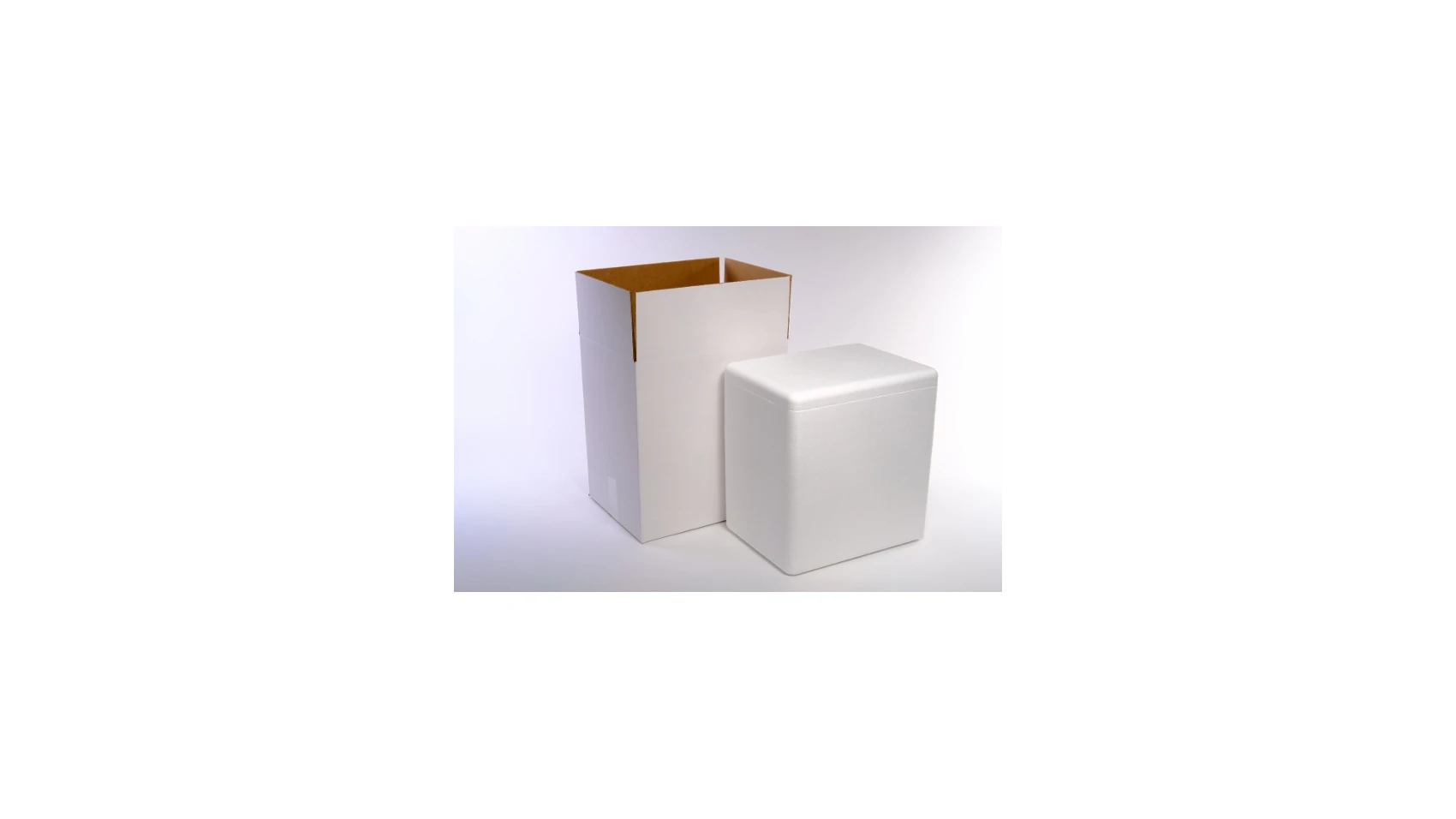
LoBoy insulated coolers slow heat transfer during the journey. Coolant absorbs heat inside the package, while containment and dunnage help prevent leaks and handling damage. Those components need to work together for the time between packing and the recipient's storage.
Confirm acceptance and account arrangements with UPS
The UPS food-shipping guide describes contractual arrangements for regular perishable-shipping volumes. Confirm the applicable account terms, contents, route and service with UPS before offering delivery.
Check the food and refrigerant separately. Permission to send the contents does not settle dry-ice preparation, and carrier acceptance does not establish that your package will maintain the product's required temperature.
Choose service using the complete packing-to-storage timeline
Use the perishable shipping costs guide to compare your current UPS quote with packaging, coolant and labor costs. Include applicable charges and use the finished carton’s weight, dimensions and actual route.
UPS's food guide recommends planning for a maximum 30-hour transit for best results and recommends Next Day Air. It notes that 2nd Day Air may suit foods requiring minimal temperature control. These are service recommendations, not proof of safe arrival for every product.
Confirm the actual origin cutoff, delivery commitment and destination receiving hours. Account for weekends and holidays. Add the time spent packing, waiting for pickup and waiting for someone to refrigerate or freeze the contents after delivery.
A box packed in the morning for an afternoon pickup has already spent hours in its shipping arrangement before the carrier's trip starts. Include those hours and your intended delay allowance when testing the cooling supply. Our overnight-versus-two-day comparison explains how to compare the complete options.
Bring the food to its required starting temperature
Refrigerate or freeze the food before packing according to its handling requirements. For fresh produce, use the crop's appropriate pre-cooling process and temperature. Some crops can be damaged by chilling even above their freezing point.
Set out the cooler, carton, liners, dunnage and labels first, with coolant prepared as specified for the packing arrangement. Pack in a clean, suitably temperature-controlled area and hold finished orders under appropriate conditions until dispatch.
An insulated cooler is not active refrigeration for warm food. Starting at the intended temperature leaves more coolant capacity available to protect the order during transit.
Choose coolant for the product's required condition
Use the exact product's temperature requirements when deciding between gel packs, dry ice or another suitable option. A frozen entrée and a refrigerated salad should not automatically receive the same cooling treatment. Protect chilled products from unintended freezing where necessary.
LoBoy Gel-Ice packs are reusable cold packs containing a non-toxic, water-soluble refrigerant gel in a leak-resistant sleeve. They absorb heat as they warm and thaw. Where they suit the product, use the size, quantity, preparation and placement supported by the complete package's testing.
Do not choose a coolant count from cooler capacity alone. Starting food temperature, load size, insulation, weather and the full delivery window all affect performance. More coolant may require a different arrangement or cooler size.
Contain leaks while preserving the needs of live contents
UPS's food guidance calls for a plastic liner, an absorbent pad above it and watertight bags for appropriate liquid or thawing contents. It suggests double-bagging seafood, but specifies leaving bags open for live seafood to admit air and advises against dry ice for live seafood.
Keep that distinction clear in the packing instruction. A sealed bag for frozen fillets is not a universal method for live lobsters or shellfish. Follow the species-specific handling plan as well as the carrier requirements.
Inspect retail containers before loading. Secondary containment helps limit the spread of a leak; it cannot repair a cracked jar, failed pouch seal or loose tub lid. Keep leaking product out of the order through the normal quality process.
Use dunnage to hold the load and coolant in place
Measure the complete protected order before choosing a cooler. Include coolant, separators, dividers and cushioning. The lid should seat normally without pressing on the contents.
Use suitable dunnage to keep jars apart, support trays and prevent smaller loads from sliding. Keep heavy containers off weak lids. Check that support cannot shift coolant away from its intended position or press a frozen pack against a product that needs a barrier.
Inspect both the smallest and largest orders you plan to send. A full order may leave too little coolant space, while a light order may need additional support. Check stability after coolant has thawed or dry ice has diminished, not just when the package is first assembled.
Follow the separate UPS rules for dry ice
Dry ice changes directly from solid carbon dioxide into gas. Use suitable handling protection, and never seal a dry-ice package airtight. Gas must be able to escape through the complete package.
The UPS coolant and refrigerant instructions distinguish preparation requirements by transport mode, amount and purpose. Review the branch that matches your actual shipment rather than assuming one air or ground example applies to every route.
UPS's dry-ice shipping guide also addresses handling and international arrangements. Confirm required training, marks, labels, shipment information and any account agreement before dispatch. Our UPS dry-ice article covers that method in more detail.
Protect the cooler with a suitable outer carton
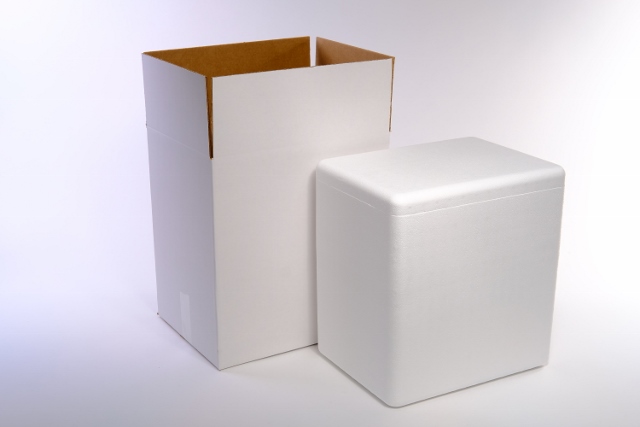
UPS advises using a new, sturdy corrugated box around the foam cooler. Check the complete package for closure, required shipping information and movement.
Make sure the cooler cannot shift inside an oversized carton. Follow the closure method appropriate to the shipment, preserving gas release when dry ice is present. Measure the finished outer carton and weigh the complete parcel when obtaining the carrier quote.
Browse LoBoy shipping coolers
Test the complete order for its route and duration
To find out how long your setup maintains the food's required condition, test a fully packed shipment under conditions similar to the intended journey. Include the actual food containers, coolant, dunnage and outer carton.
Measure temperatures at representative product locations throughout the trial. Include realistic weather exposure, the complete delivery window and the delay allowance you intend to cover. Check for physical damage as well as temperature performance.
An intact outer box does not prove the food stayed cold, and a cold order with broken containers still needs correction. Keep the results linked to the exact load and packing arrangement so changes can be assessed before routine use.
Give the recipient clear inspection and storage instructions
Confirm someone can receive the order promptly and has appropriate storage available. Provide directions for the actual food, safe coolant handling and a contact for delays or damage.
Keep tracking linked to the order, packing version and temperature data where used. A delivery scan records the handoff; it does not establish the food's temperature history. If a parcel is wet, distinguish food leakage from coolant leakage or condensation before choosing a correction.
For international orders, confirm destination restrictions, customs requirements and the contents' eligibility before offering the route. A domestic packing trial does not establish permission or performance for an international shipment.
Match LoBoy packaging to the UPS shipping plan
Use the Ship Perishables hub to find product-specific guidance. Share the protected load dimensions, coolant layout and required journey time with the LoBoy Client Solutions Team when comparing LoBoy shipping coolers.
Keep a clear packing diagram and component list for the arrangement that passed review. Verify service and carrier preparation directly with UPS, and reassess changes in order size, coolant, carton or route before assuming the same result will hold.