How to Ship Perishables with FedEx
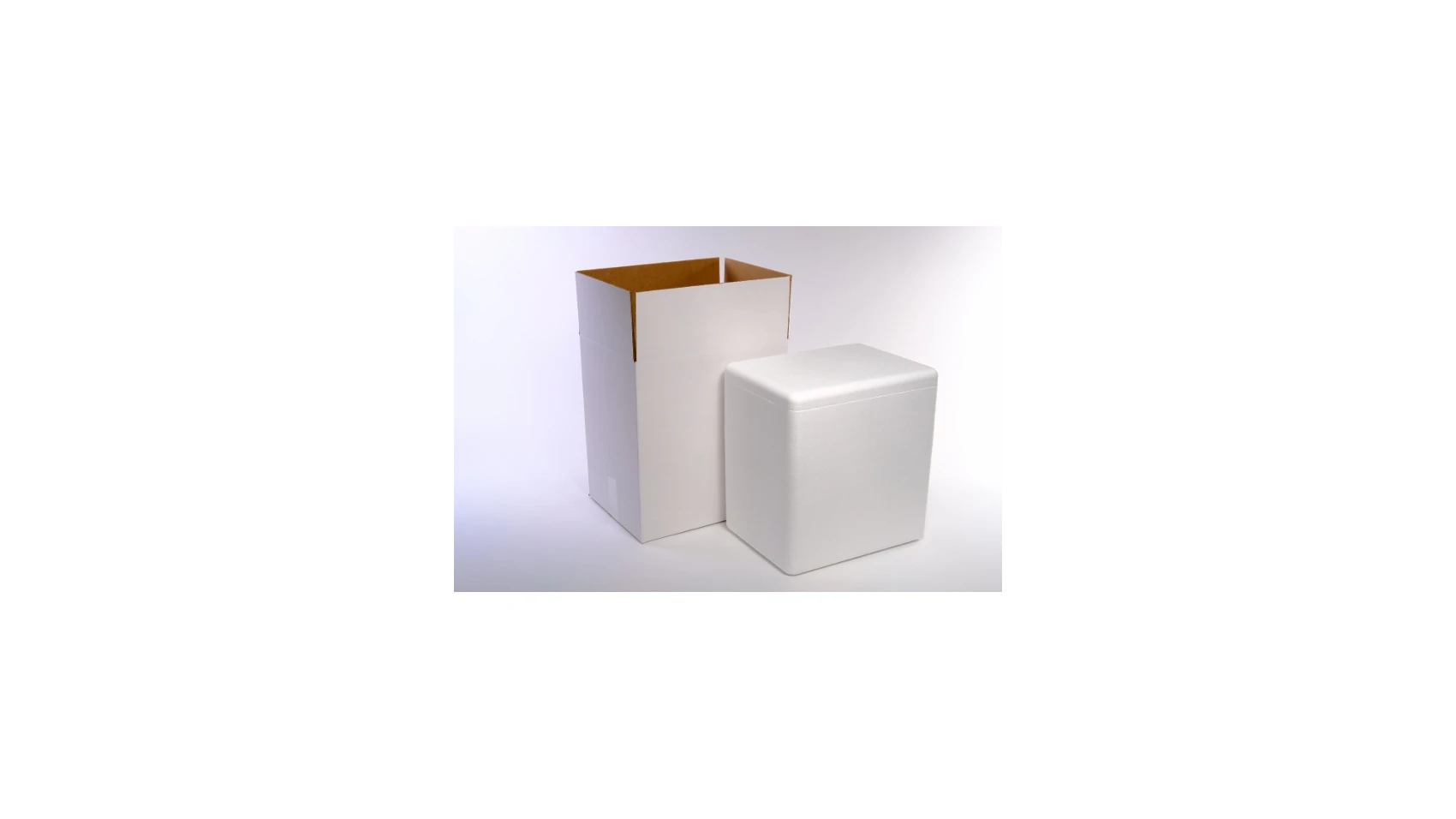
Shipping perishables with FedEx means choosing a delivery service and preparing a package that protects the contents for the complete journey. The carrier moves the parcel; insulation, coolant and the packing arrangement help maintain the conditions inside it.
Start with what you are sending. Frozen meat, refrigerated meals, fresh produce and medicine can need different temperatures and protection. Then check the actual route and current FedEx requirements before committing to a service or packing method.
Check the FedEx packing requirements before buying supplies
The FedEx perishable-shipping guide specifies insulated foam walls at least 1½ inches thick and a sturdy outer container. For contents that can melt or thaw, it calls for a watertight liner; liquid-containing or melt/thaw products should be double-bagged in watertight bags at least 2 mil thick. A mil is one-thousandth of an inch, not a millimeter.
Check the specified cooler model and the complete materials list against that guidance. A carrier's minimum packaging specification does not establish how long your particular order will remain cold.
Choose the service for the actual origin and destination
For budgeting, combine the current FedEx quote with your packaging, coolant and packing labor in the perishable shipping costs guide’s sample worksheet. Compare total quoted charges for the finished carton and actual route.
FedEx recommends next-day options for temperature-sensitive shipments. Its guide says that if you choose another delivery option, packaging and refrigerant should protect the contents for at least 24 hours beyond the delivery commitment. It also advises shipping early in the week and accounting for holidays and weekends.
Verify availability, commitment, pickup cutoff and receiving arrangements for the specific addresses. Check where a dry-ice parcel can be tendered before taking it to a drop-off location.
Compare the full shipping window with the package's demonstrated protection. A less expensive service is only a suitable option if the contents can remain within their requirements for the longer journey and intended delay allowance. Our overnight-versus-two-day guide helps organize that comparison.
Pack the product already at its required temperature
Refrigerate, freeze or pre-cool the contents according to the exact product's handling requirements before packing. An insulated cooler slows heat transfer; it does not actively refrigerate warm goods.
Prepare the cooler, carton, liners, protection and labels first. Have coolant ready in the starting state used in your tested arrangement. Pack in a clean, suitably temperature-controlled area and keep completed orders under appropriate conditions until dispatch.
This helps preserve cooling capacity for transit instead of using it to remove heat picked up at the packing station. For medical products, follow the responsible pharmacy or quality team's approved procedure throughout.
Choose coolant for chilled or frozen contents
Use the product's required temperature range to choose coolant. Some refrigerated products need protection from freezing, while frozen products may need a different cooling arrangement. Avoid combining items with conflicting needs unless the complete system has been shown suitable.
LoBoy Gel-Ice packs are reusable cold packs containing a non-toxic, water-soluble refrigerant gel in a leak-resistant sleeve. Where they suit the application, they absorb heat inside the package as they warm and thaw. Their identity, amount, preparation and placement need to match the tested arrangement.
Do not reduce coolant simply to fit more merchandise. Likewise, more intense cooling is not automatically better for fresh produce or freeze-sensitive medicine. Preserve the separators needed to protect the product from excessively cold surfaces.
Follow the separate FedEx instructions for dry ice
FedEx's dry-ice instructions require trained personnel for company shipments. The package must release carbon dioxide gas; never make the cooler or outer package airtight or seal dry ice in a plastic bag.
The guide specifies the dry-ice name, UN 1845 marking, dry-ice weight in kilograms and shipper/recipient information. Follow the full current instructions for labels, documentation and service eligibility. Foam used as the outer packaging requires FedEx preapproval; foam insulation inside a suitable outer box is a different arrangement.
Resolve dry-ice preparation questions before collection. The amount needed for temperature protection and the amount declared for shipping are connected, but carrier acceptance alone does not prove the product will remain in its required condition.
Protect containers and hold the load in position
Measure the complete protected order with coolant, barriers and dunnage included. Check the cooler's usable inside dimensions and normal lid fit. Use dividers, cushioning or fitted supports to stop containers colliding and to keep coolant in the intended positions.
For example, jars need separation and suitable support; meal trays need protection from bending and lid pressure. A liquid food may need a different containment arrangement from a sealed block of frozen meat. Inspect closures before loading and keep the outer carton dry and sound.
Plan for handling in different orientations. Support should remain effective if the package tilts; an orientation label cannot substitute for a stable load. Check whether support still works after dry ice has diminished or gel packs have thawed.
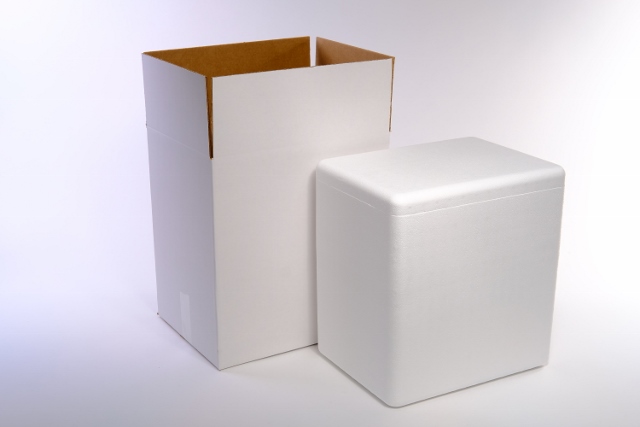
Browse LoBoy shipping coolers
Test the package for the full delivery window
Include packing, staging, carrier transit and the time before the recipient moves the product into suitable storage. Add the delay allowance your plan is intended to cover and any applicable carrier preparation requirement.
For example, a parcel packed in the morning for an afternoon pickup has already spent hours in its shipping package before the carrier's trip begins. Delivery at the front door is another handoff, not the end of temperature protection if nobody brings it inside promptly.
Test a fully packed shipment under conditions similar to the route. Use actual product containers, coolant, supports and the outer carton. Check representative product temperatures throughout the trial, then inspect for leaks, shifted coolant and physical damage. Test different order sizes where their layouts differ.
Give the recipient clear arrival instructions
Confirm someone can receive the shipment and has appropriate storage available. Provide product-specific inspection, storage and safe coolant-handling directions, along with a contact for temperature concerns or damage.
Keep the tracking number linked to the product load, packing version and coolant preparation record. A delivery scan records a delivery event; it does not establish the product's temperature history or suitability for use.
If an order arrives late, wet or damaged, identify the cause before changing the whole program. Distinguish product leakage from a failed coolant sleeve or condensation. For medical products, preserve monitoring data and follow the approved holding and quality-review process.
Check international eligibility separately
An arrangement suitable for a domestic route does not establish permission to ship the same product internationally. Confirm the contents, coolant, destination restrictions, customs documents and applicable import requirements with FedEx and the relevant authorities before offering that destination to customers.
Build the time for customs and receiving into the assessment where applicable. Do not promise an international delivery window or product condition solely from a domestic packing trial.
Choose LoBoy packaging for the complete order
Use the Ship Perishables hub to find guidance for the actual contents. Send the protected load dimensions, coolant arrangement and shipping requirements to the LoBoy Client Solutions Team when comparing LoBoy shipping coolers.
Confirm the selected model's specifications and verify carrier preparation directly with FedEx. The cooler, coolant, protective materials and delivery service need to work together for the product and route you intend to ship.