How to Ship Dairy Products in Insulated Packaging
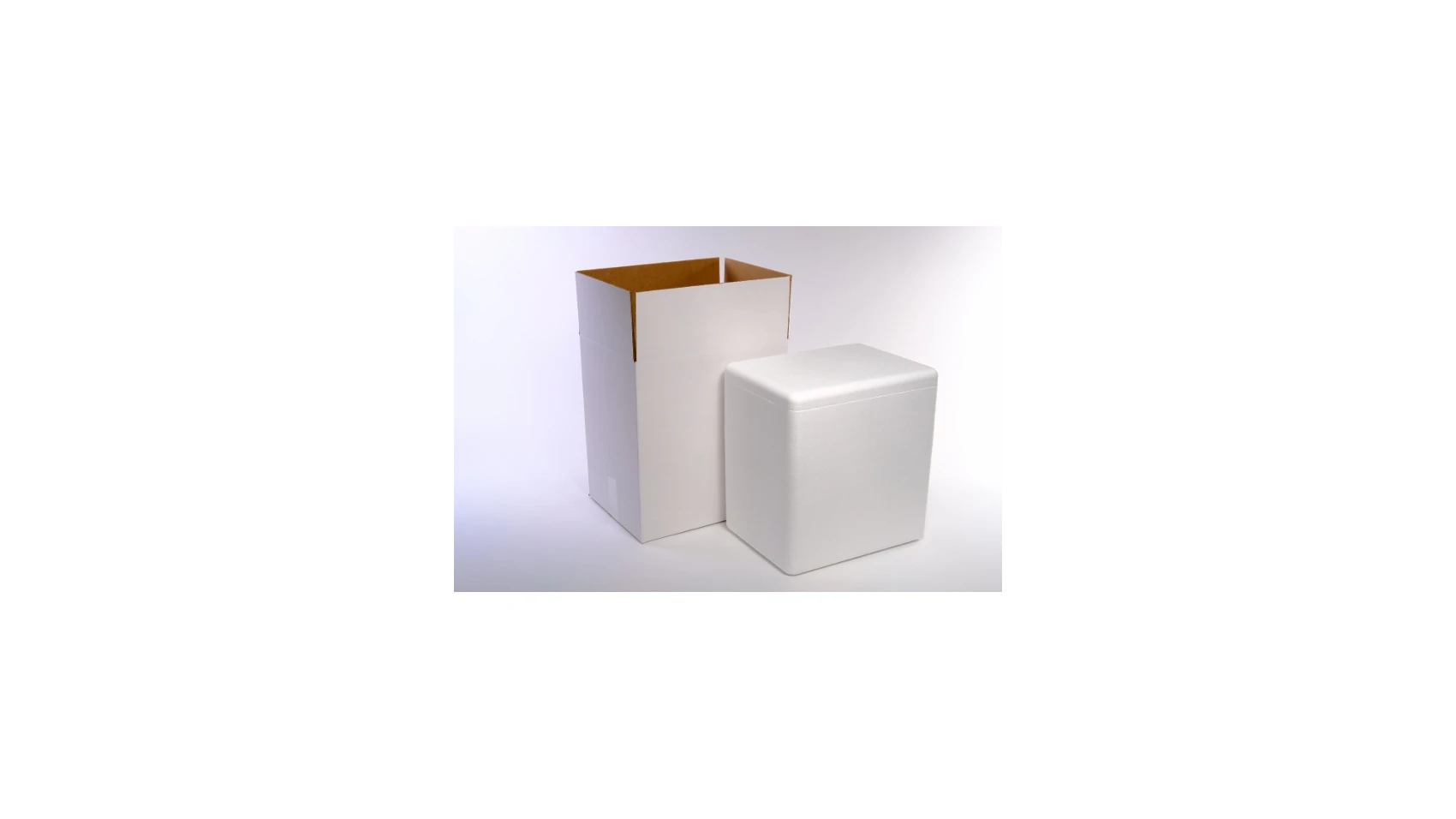
A shipment of milk bottles has different packing problems from an order of yogurt cups. Bottles are heavy, cup lids can be crushed, and a loose cap can leave the whole order wet. Meanwhile, all that refrigerated food needs protection from the heat outside the box.
Shipping dairy products successfully means dealing with both problems: keeping the food at the right temperature and helping its containers survive the trip. LoBoy insulated coolers, properly prepared coolant and protection around the retail containers work together to do that. The right arrangement depends on what you are sending, how much is in the order and how long it will take to reach the recipient's refrigerator.
Choose packaging for the dairy products you actually ship
Start with the product label. Refrigerated milk, yogurt, kefir, sour cream and heavy cream need a refrigerated shipping plan. Ice cream and other frozen dairy desserts need a plan that keeps them frozen. Unopened shelf-stable milk may have different storage instructions, so check the specific package rather than treating every milk product alike.
Then look at how each item is packaged. These common dairy orders need different kinds of protection:
| Dairy product | What to protect during shipping |
|---|---|
| Milk, chocolate milk, kefir and bottled dairy drinks | Keep bottles from knocking together or shifting against their caps. Account for their weight when choosing dividers, cushioning and the outer carton. Glass bottles need protection against contact with other bottles and hard surfaces. |
| Yogurt and Greek yogurt | Protect foil seals and plastic lids from punctures and pressure. A stack of cups needs support that keeps the weight above from crushing the cups below. |
| Heavy cream, half-and-half and sour cream | Protect carton corners, spouts and tub lids. Leave enough space for the coolant without forcing the cooler lid down onto the retail containers. |
| Butter and packaged cheese | Protect the wrappers and product shape as well as the temperature. Keep heavy bottles from flattening softer products in a mixed order. |
| Ice cream and frozen yogurt | Use a frozen-dessert shipping plan. A box suitable for refrigerated milk does not establish that these products will arrive frozen and retain their intended texture. |
For more detail about different cheeses, see our cheese shipping guide. Our ice-cream shipping guide covers the additional temperature and quality concerns of frozen desserts.
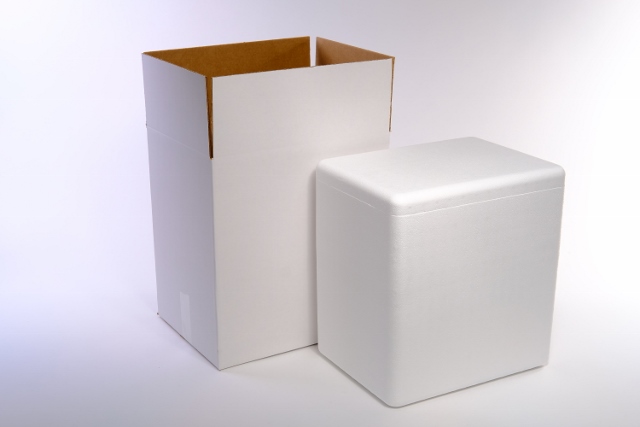
Browse LoBoy shipping coolers
Keep refrigerated dairy cold without freezing products meant to stay chilled
Refrigerate the dairy before packing it. An insulated cooler slows heat entering from outside; it does not actively refrigerate warm milk or cream. Starting with properly chilled food gives the coolant less heat to absorb before the shipment even leaves.
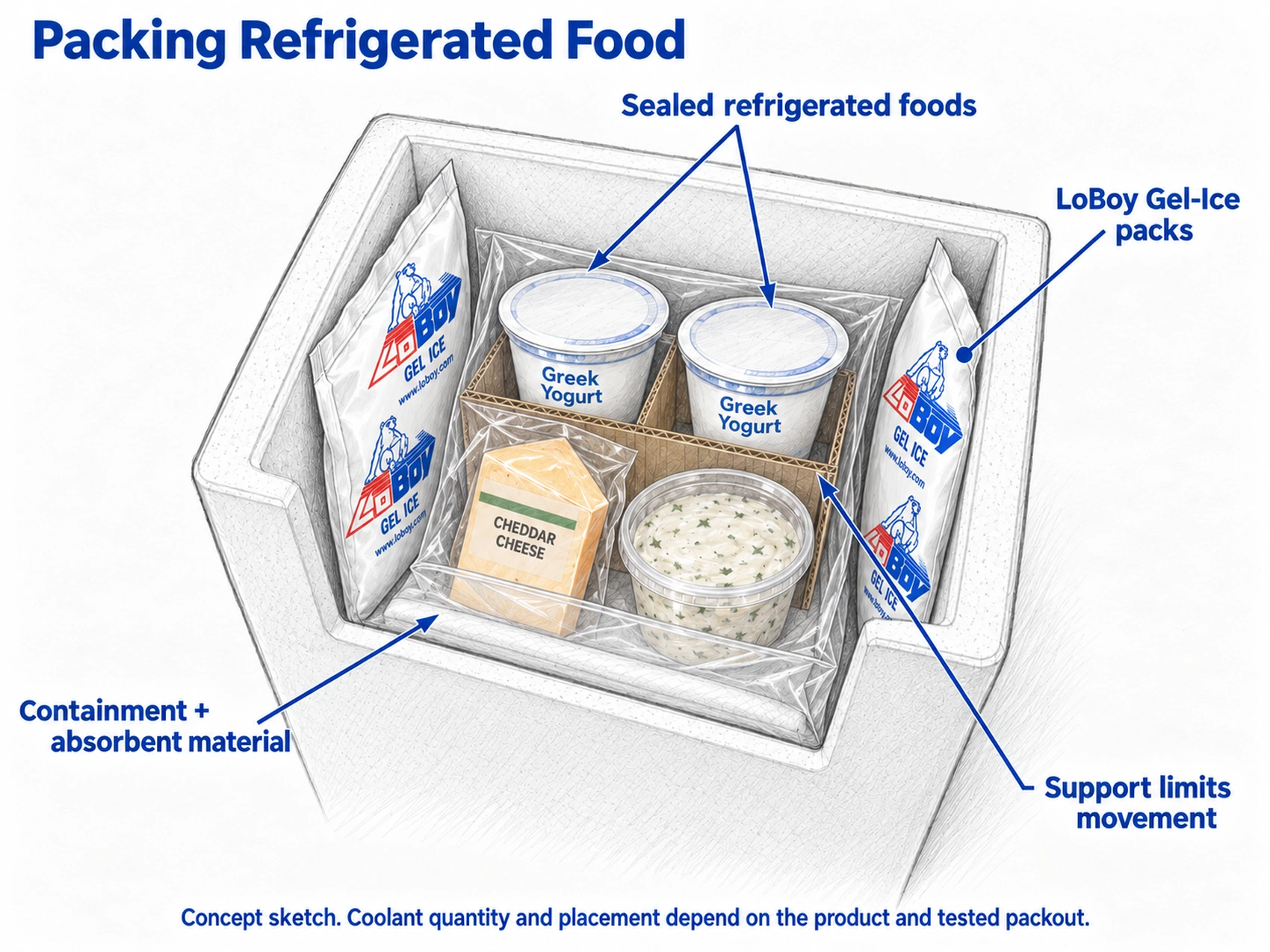
Frozen gel packs absorb heat as they warm and thaw. LoBoy Gel-Ice packs are reusable cold packs containing a non-toxic, water-soluble refrigerant gel in a leak-resistant sleeve. They provide a coolant option for refrigerated shipments when the pack size, quantity and placement have been checked with the actual order.
More intense cooling is not automatically better. If a product is supposed to arrive refrigerated, check that the arrangement does not freeze it where it touches the coolant. If needed, use a suitable separator between the retail container and coolant, then test that arrangement. Do not put refrigerated dairy beside dry ice simply because a frozen dessert is going in the same order.
For home-delivered refrigerated perishables, FoodSafety.gov recommends an arrival temperature of 40°F or below. Follow any stricter product requirements. That receiving guidance does not establish a shipping duration or extend the product's shelf life.
Stop bottles, cups and tubs from damaging one another
Inspect caps, lids, seals and containers before packing. Reject damaged units through your normal food-handling process. A cooler cannot repair a weak seal, and a plastic bag around a leaking bottle does not make that bottle suitable to send.
Use dividers or cushioning to keep containers from moving into one another. Keep heavy bottles from bearing down on yogurt lids or sour-cream tubs. Include protection under and around the containers, not just a loose pad on top. Check the arrangement with the cooler closed so you can see whether the lid or coolant is pressing on a closure.
Use suitable secondary containment and absorbent material where a leak could spread through the parcel. These help limit the consequences of a failure; they do not replace intact food packaging. Keep the food sealed in its own retail container.
Measure the complete packed order before choosing the cooler. Product containers, dividers, absorbency and coolant all take up space. A cooler that fits the bottles alone may be too small once everything needed for shipping is added.
Use insulation and coolant to address different shipping problems
Each part of the package has a job. Understanding those jobs makes it easier to fix a problem instead of adding more material without knowing whether it helps.
| Shipping problem | How the packaging helps |
|---|---|
| Heat outside the parcel warms the dairy | The LoBoy cooler slows heat transfer, while the coolant absorbs heat inside. Both must be sized for the order and the full delivery window. |
| Bottles shift or cup lids are crushed | Dividers, cushioning and a supported arrangement keep containers apart and keep weight off vulnerable closures. |
| A damaged container leaks into the shipment | Secondary containment and absorbent material help limit spreading liquid. Inspecting the retail containers before packing helps prevent the problem in the first place. |
| The cooler or outer carton is damaged during handling | A properly fitted, sturdy outer carton protects the insulated container. Check the whole package with the heaviest order you intend to send. |
| A delivery delay uses up the cooling supply | A tested delay allowance provides additional protection. A delivery service's advertised transit time alone does not show how long the food will remain cold. |
Choose leak-tested coolers and look for evidence of the manufacturer's thermal testing. LoBoy checks production-batch samples for leaks by filling them with water. Its independent laboratory test information separately documents thermal testing of specified cooler models. Those results describe the tested models and conditions; your dairy shipment still needs a trial with its own load and coolant.
Account for the time before and after delivery
The cooling supply starts doing its job when you pack the order, not when the carrier scans it. Include the wait for pickup, transit, possible delays and the time before someone unpacks the box and refrigerates the dairy.
For example, an order packed at 9 a.m. for a 3 p.m. pickup has already spent six hours in its shipping package before the carrier's trip begins. If delivery occurs at 10 a.m. the next day and the recipient refrigerates it at 11 a.m., the package needs to cover 26 hours, plus the delay allowance you choose for that route.
Schedule packing close to pickup where practical, and confirm the recipient can refrigerate the order promptly. Check the actual carrier service, cutoff and delivery days before dispatch. A missed pickup can change whether the remaining cooling supply is enough for the trip.
Test a fully packed order before sending customer shipments
To find out how long your arrangement keeps the dairy at the required temperature, test a fully packed shipment under conditions similar to the delivery route. Include hot-weather exposure and the delays your shipping plan is intended to cover.
Use the actual bottles, cups or tubs, the selected cooler and outer carton, and the intended coolant amount and placement. Measure food temperatures at representative locations, including areas likely to warm first and areas close to frozen packs. Checking only the air in the box can miss a problem affecting an individual product.
Test your smallest and largest orders when they use different arrangements. A few yogurt cups surrounded by empty space do not behave exactly like a full box of milk bottles. After representative handling, also check for loose caps, broken seals, crushed cups and movement.
Save a clear packing instruction with container counts, a layout or photo, coolant weights and preparation, and the shipping window the test covered. Review changes in bottle size, order quantity, coolant or delivery route before assuming the same result will hold.
Tell customers how to check and refrigerate the delivery
Ask recipients to unpack promptly, inspect the food containers and use a food thermometer to check refrigerated perishables. An intact cap or a cool-feeling outer box does not establish the temperature of the food.
FoodSafety.gov advises customers to notify the sender if shipped perishable food arrives above 40°F and not to eat or taste it to decide whether it is safe. Food can look and smell normal while being unsafe. Give customers a clear contact method and instructions for reporting temperature concerns, delays or damaged containers.
If a parcel is wet, identify whether the liquid came from dairy, a coolant pack or condensation. A leaking milk bottle needs a different correction from moisture on the outside of an intact cold container. Keep those observations with the packing details so the next shipment addresses the actual problem.
Get help choosing a cooler for your dairy order
Send the LoBoy Client Solutions Team your container dimensions, order quantities, required food temperature and expected shipping time. Include the space needed for coolant and protection around the food when comparing LoBoy insulated shipping coolers.
For the broader process, our perishable-food shipping guide connects preparation, coolant, carrier timing and receiving. The goal is a dairy order that arrives cold, intact and ready for the recipient to store as directed.