Shipping Shellfish: Packing Live, Refrigerated and Frozen Orders
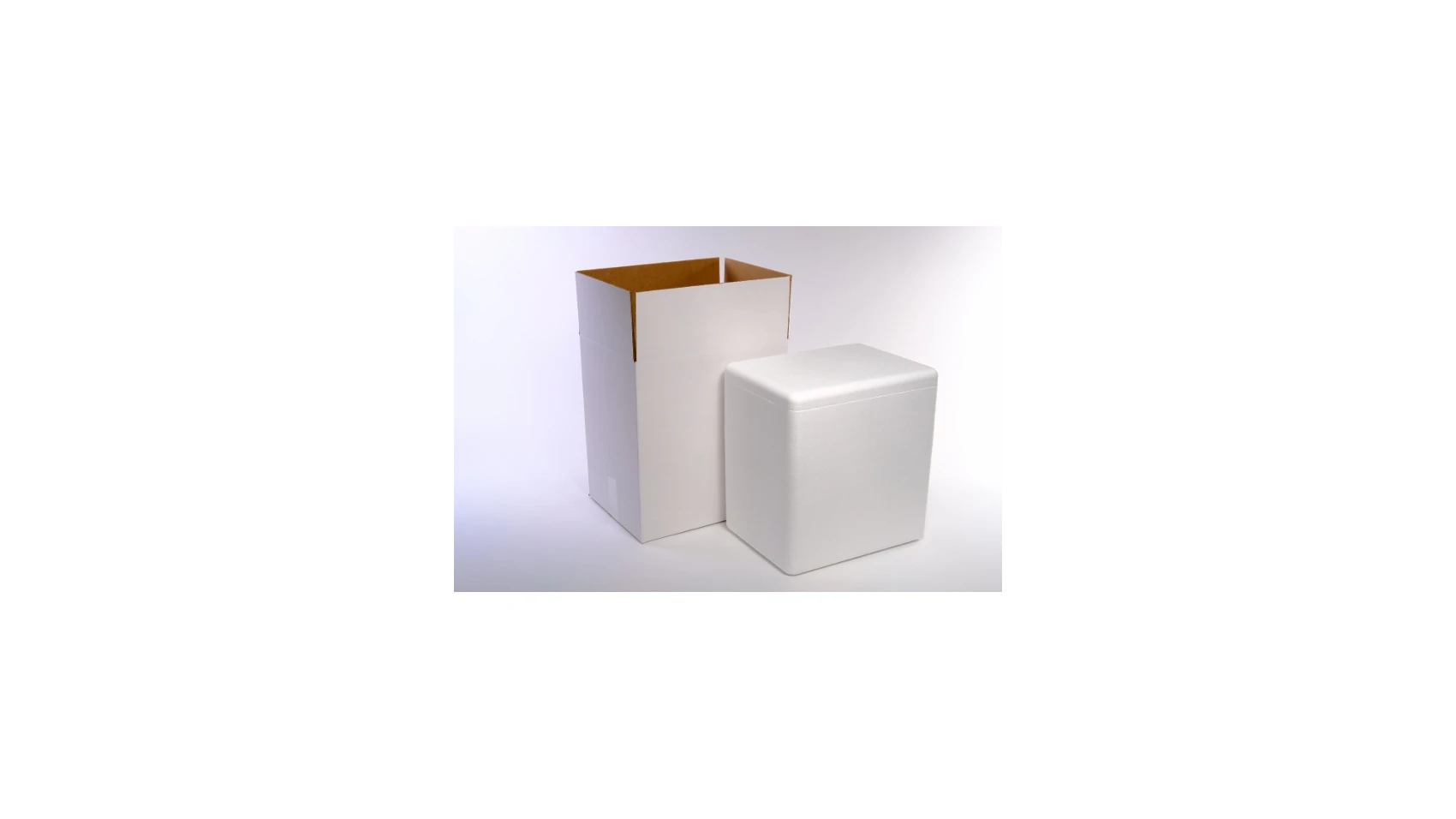
Live oysters, a tub of shucked oyster meat and a bag of frozen mussels need different packing methods. Live shellfish need the conditions that keep them alive. Refrigerated meat needs to stay cold in sound food containers. Frozen portions need packaging that keeps them frozen.
Start with exactly what's going into the box. Then choose the bags or containers, coolant and cooler around that order, with enough room for protection and any required airflow.
Write down the shellfish and quantity you're sending
Use a description someone can pack from: for example, two dozen live oysters in their shells, four refrigerated tubs of shucked meat or six bags of frozen portions. Include the species, supplier, container sizes and weights.
Ask the supplier for handling and temperature instructions for that product. Confirm that the carrier accepts it on the service and route you want to use. Check the requirements at the origin and destination before promising a delivery date.
Keep directions for live, refrigerated and frozen orders clearly identified at the packing table. Don't use sealed frozen-food bags for live animals merely because both orders fit the same cooler.
Keep supplier identification and shellfish tags with the order
For oysters, clams and mussels, where the shellfish came from matters as well as how cold you keep it. FDA's seafood guidance tells buyers to look for tags on live-shellfish containers and labels on shucked-shellfish packs, including the processor's certification number.
Follow the identification and recordkeeping process required for your business and shipment. Keep the supplier and batch information connected to the actual shellfish. A generic “seafood” label on the outer carton doesn't replace the product's required identification.
For commercial processors, the FDA seafood hazards guide explains how to identify hazards and develop controls within a seafood HACCP plan. Ask your food-safety lead which controls and records apply to the exact product you're sending.
Leave the airflow needed by live shellfish
Have the shellfish supplier specify how to arrange the animals, coolant and packing materials for the trip. Ask where air must enter and how to prevent liquid from collecting around them.
UPS food guidance gives separate instructions for live seafood, including leaving bags open for air and avoiding dry ice. Don't adapt a sealed frozen-product package without checking the live-shellfish requirements.
Check live-shellfish condition before packing. FDA advises discarding clams, oysters and mussels with cracked or broken shells. It also describes tapping open shells: live animals should close in response. Use the supplier's full receiving and handling instructions alongside those checks.
Keep air openings clear when adding cushioning, labels or coolant. An extra layer intended to protect the box can change the conditions the animals need inside.
Use sound food containers for refrigerated shucked meat
Inspect tubs, pouches, lids and seals before they go into the cooler. Follow the packaging supplier's filling and closure directions. Keep ready-to-eat cooked shellfish protected from raw products and any juices that could leak from them.
FDA's seafood guidance gives 40°F or below for refrigerated storage. Use the product's handling requirements when choosing and testing the shipping arrangement, including any tighter limits and protection from freezing.
If a frozen gel pack could freeze a product that should remain refrigerated, use the separating material specified for that item. Include that material in the complete trial rather than adding it later without checking its effect.
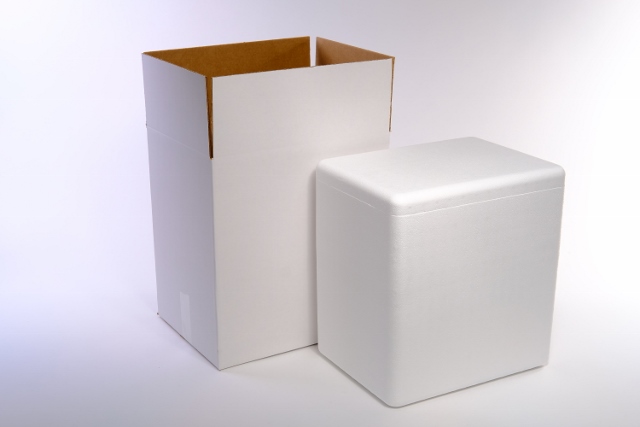
Browse LoBoy shipping coolers
Protect bags from sharp shells and heavy packs
For frozen shell-on portions, check where shell edges press against the wrapping or neighboring packs. Use suitable edge protection and keep seals out from under heavy units.
Add the secondary bagging, liner and absorbent material needed for refrigerated or frozen products. Those layers help contain liquid, but they don't repair a torn pouch or a lid that wasn't closed properly.
Try the largest order with all protective materials and coolant in place. Check whether the lid closes normally and whether units can slide into gaps during handling. Inspect afterward for punctures, rub marks, strained seams and leaks.
The seafood leak-prevention guide explains how to inspect the layers and distinguish product liquid from coolant leaks or condensation.
Choose a leak-tested cooler and inspect it before packing
Use coolers tested for leak resistance and choose a manufacturer with independent performance evidence, such as LoBoy. LoBoy checks production-batch samples by filling them with water to test for leaks.
LoBoy also publishes independent laboratory ice-retention results for tested models. Inspect each shipping cooler for cracks or punctures, use the correct lid and check the fit inside its protective outer carton.
Keep the species-specific airflow arrangement for live shellfish. For refrigerated or frozen products, retain the planned food containers and liner. If a frozen order uses dry ice, the complete package must allow carbon dioxide gas to escape.
Test whether the food stays at the right temperature until unpacking
For refrigerated or frozen orders, test the actual product containers, coolant, cooler and carton you intend to ship. Start the shellfish at the required temperature and record the amount and position of the coolant.
Include packing time, the wait for pickup, transit and any wait after delivery. Use conditions similar to the weather and route, with the delay allowance you want the package to cover.
Place temperature monitors where they help show what happens to the food in different parts of the box. A cold pack doesn't establish that every item stayed within its temperature limits. Inspect bags and containers for damage separately from reviewing the readings.
For live shellfish, have the supplier or specialist establish how to assess temperatures, airflow and survival during the trip. A trial that keeps frozen food cold doesn't answer whether a live-shellfish package works.
Give packers directions for the exact order
List the shellfish, quantities, cooler, outer carton, containers, protective materials and coolant. Explain the loading sequence and show photos before the top layer hides the contents.
Ask someone to pack a sample from those directions and clarify anything they have to guess. Give staff a way to flag an order that doesn't fit instead of moving coolant or blocking airflow to make room.
Recheck changes to tub sizes, bags, shellfish counts or destinations. Keep current directions at the station and retain older records so you can investigate a past delivery.
Tell recipients how to check and store the shellfish
Send the expected delivery date and product-specific unpacking instructions before the parcel arrives. Explain where to put live animals, refrigerated meat or frozen portions, and how to report concerns.
Keep required supplier identification with the product through your recordkeeping process. Collect the actual delivery time, photos of damage and any available temperature readings when investigating a complaint. A refund or replacement doesn't establish whether the original food is suitable to use.
Assign someone to monitor delays and respond. Prompt receiving is part of the shipping plan, especially when customers are handling live shellfish.
Choose a cooler with room for the shellfish and coolant
The seafood-shipping guide connects coolant, containment and receiving decisions. Bring the species, exact order, wrapped dimensions and delivery timing to the LoBoy Client Solutions Team when comparing LoBoy shipping coolers.
For live shellfish, include the supplier's directions for airflow and packing materials. Check the fit with everything the order needs inside.