UPS Dry Ice Shipping: Packaging and Preparation
Before packing a UPS dry-ice shipment, identify the exact service, destination and contents. Then use the UPS coolant requirements to determine how that shipment needs to be prepared.
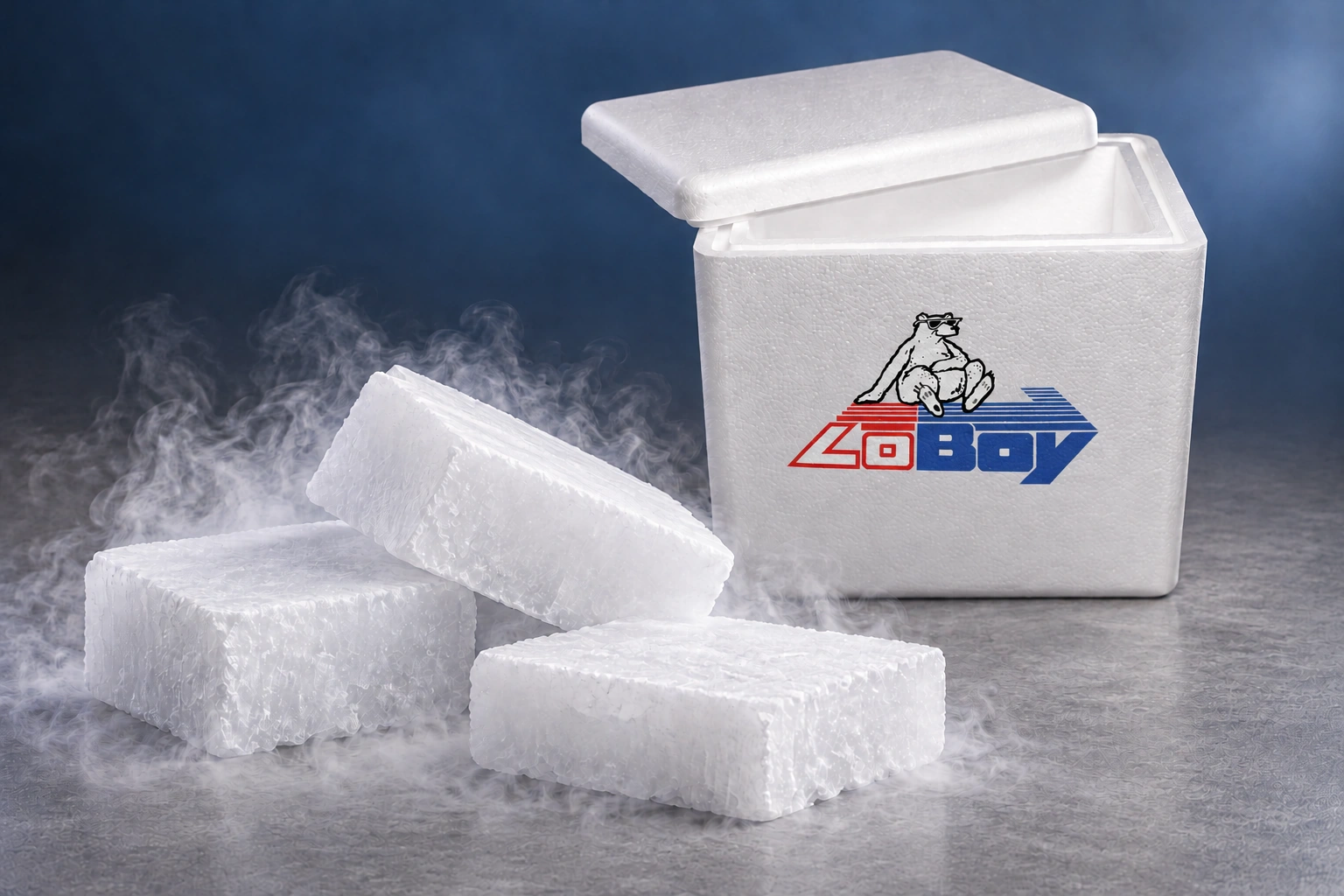
The packing arrangement needs attention alongside the shipping information. You need room for the product and coolant, a way for carbon dioxide gas to escape, and evidence that the package protects the contents for the full trip. Completing the carrier paperwork doesn't establish how long the product will stay at the required temperature.
Identify the UPS requirements for your route
UPS distinguishes ground shipments within the contiguous 48 states from air preparation. Its instructions identify Alaska, Hawaii, Puerto Rico and Avalon, California, as locations requiring air processing for dry-ice shipments.
One category covers non-medical, non-hazardous U.S. domestic air parcels containing 2.5 kilograms (5.5 pounds) or less of dry ice. UPS lists specific markings and software processing for those parcels without hazardous-material shipping papers. That provision depends on the contents, route and amount.
Larger amounts have different requirements. Medical-purpose parcels have their own provisions, and international shipments may require an International Special Commodities contract. If the product itself is hazardous, its requirements also apply.
Read the complete UPS instructions for your shipment. Ask UPS hazardous-material support when the category or preparation is unclear, and keep the answer with your packing record.
Record the contents and actual dry-ice amount
Describe what the parcel contains, including any hazards beyond the coolant. Keep the origin, destination and exact service with that description. For international shipments, resolve the product's entry requirements as well as the carrier's dry-ice preparation.
Weigh the dry ice at packing. Record that net coolant weight separately from the weight of the whole parcel. The amount you bought earlier can differ from what remains when you assemble the order.
Include the dry-ice form and position in the record. Blocks, pellets and other formats can fit differently around the product. Those details help the team reproduce the arrangement and understand later changes.
Fit the complete load inside the shipping package
Try the product in its actual inner packaging, including wrapping and protection around vulnerable edges or seals. Leave room for the planned coolant and any separation needed between it and the product.
Check that the cooler lid closes normally and the insulated container fits its protective outer carton. Forcing the lid against the contents can damage packaging or change the intended arrangement.
Start the product at the condition required by your process. Keep it in suitable storage until loading, and have the parts and labels ready so assembly doesn't involve unnecessary waiting.
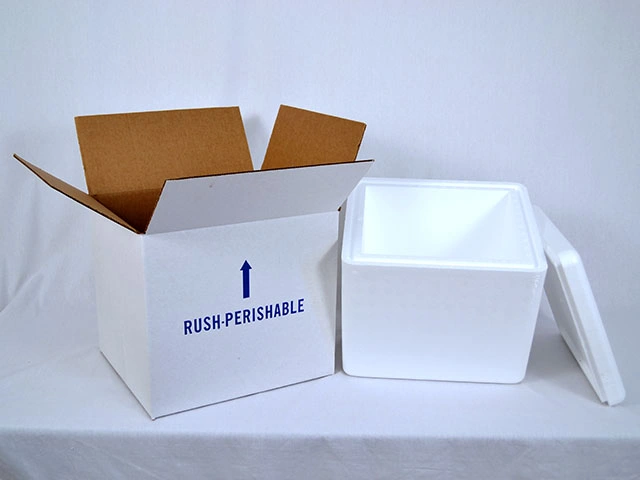
Browse LoBoy shipping coolers
Allow carbon dioxide gas to escape
Dry ice changes directly from solid into carbon dioxide gas. The complete package needs to release that gas, so check the inner bags, liner, cooler lid, carton and tape together.
Don't add an airtight wrap to try to slow dry-ice loss. A suitable cooler can still trap gas if another layer seals it in. Follow the chosen package design and carrier instructions for closure.
Have appropriate handling protection, training and ventilation ready before packing. Keep dry ice away from bare skin and follow the supplier's safety instructions. Use the product-specific separation needed to avoid unsuitable direct contact with the coolant.
Test protection through the full delivery period
Use the real product, cooler, outer box, protective materials and coolant arrangement in a trial. Record starting temperatures, load size and dry-ice weight. Photograph the layers before closing the parcel.
Include packing, waiting for pickup, carrier transit and the time before the recipient stores the contents. Consider the weather and delays your shipping plan needs to cover. A carrier estimate may leave out hours at both ends of the journey.
Choose monitoring positions before testing. A reading close to the dry ice doesn't necessarily describe the whole product load. Use the product's requirements to judge the temperature record, and inspect for movement, leaks and damage afterward.
Keep the results with the arrangement they describe. If you later change the cooler, coolant or product count, check whether the earlier evaluation covers that package.
Match the labels and shipping entries to the parcel
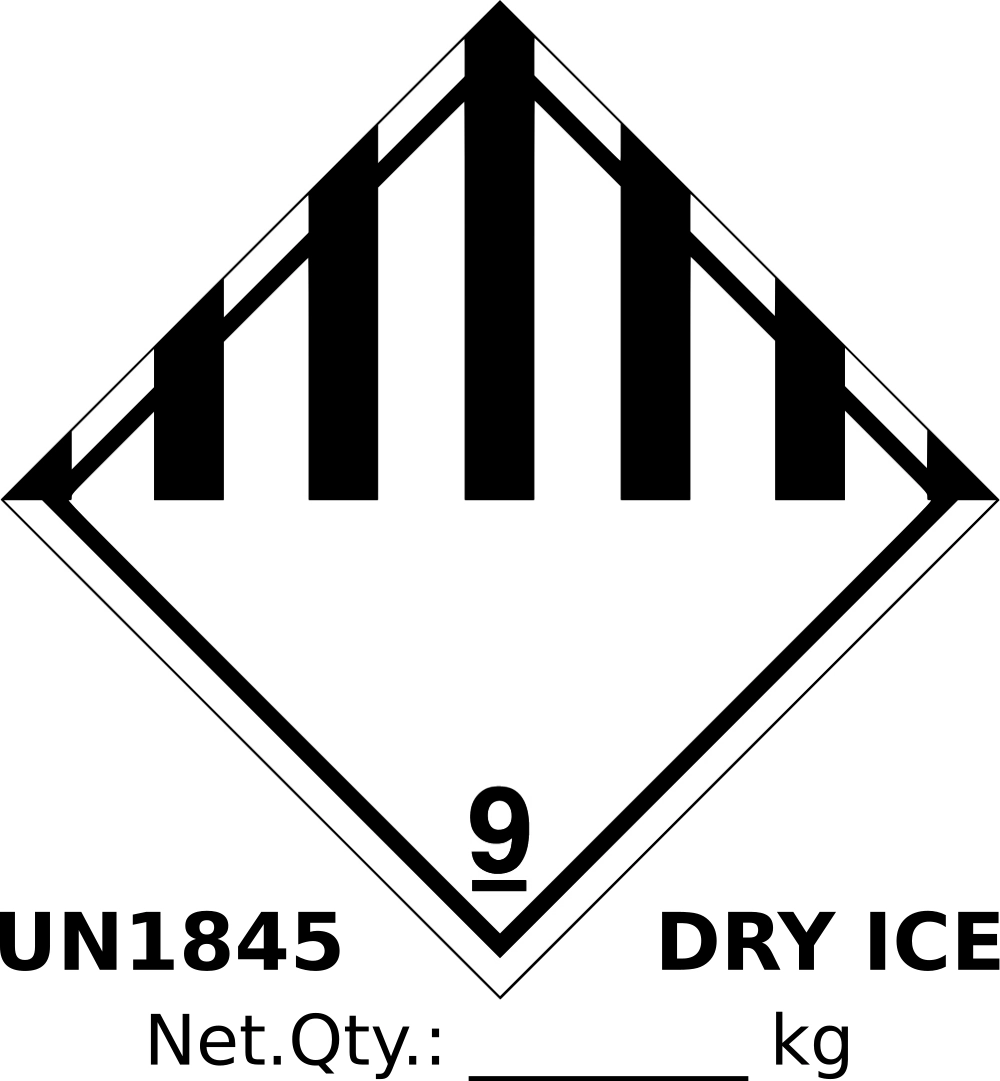
Complete the markings, labels, documents and software entries required for the selected UPS category. Compare the final information with the actual contents, service, addresses and dry-ice amount.
The dry-ice label guide explains those separate checks. Inspect the finished outer carton after applying tape, address labels and document pouches so required information remains visible.
If you add dry ice after preparing the shipping information, recheck the weight fields. If the service or destination changes, review which preparation requirements now apply.
Give staff clear directions for repeated orders
Identify the product range, cooler, outer carton, coolant amount and layout in one current instruction. Explain the loading and closure steps, and include photos showing where the parts go.
Keep the matching UPS requirements with those directions. Staff should be able to identify the correct version for the order they're packing rather than choosing from memory.
Review substitutes before routine use. A different inner bag, support layer or dry-ice format can affect fit, contact and gas release. Keep old records for investigating past shipments while removing obsolete instructions from the active station.
Plan for a missed pickup or delayed delivery
Record when the parcel is handed over and monitor tracking for exceptions. Have a defined holding and review process if pickup is missed. The extra time may change whether the package can still protect the product for the remaining trip.
For example, if a team opens a delayed parcel and adds dry ice, it needs to assess the contents, recheck closure and update the coolant weight information. Adding coolant doesn't by itself resolve every issue caused by the delay.
Confirm that the recipient expects the shipment and can move the product into suitable storage. Provide safe dry-ice handling directions, product-specific receiving checks and a way to report concerns. Assign someone to respond when delivery doesn't go as planned.
Choose a cooler for the complete shipment
The dry-ice shipping guide covers the wider preparation process. Bring your wrapped product dimensions, coolant space and outer-carton needs to the LoBoy Client Solutions Team when comparing LoBoy shipping coolers.
Confirm shipment acceptance and preparation with UPS, then evaluate the complete package for the product and route you intend to use.