How Many Gel Packs Do I Need for Shipping?
The number of gel packs you need depends on what you're shipping, the size of the packs, the insulation and the time the product needs protection. Four small packs aren't the same quantity of coolant as four large ones. And the right amount for one order may not suit another order in a different cooler.
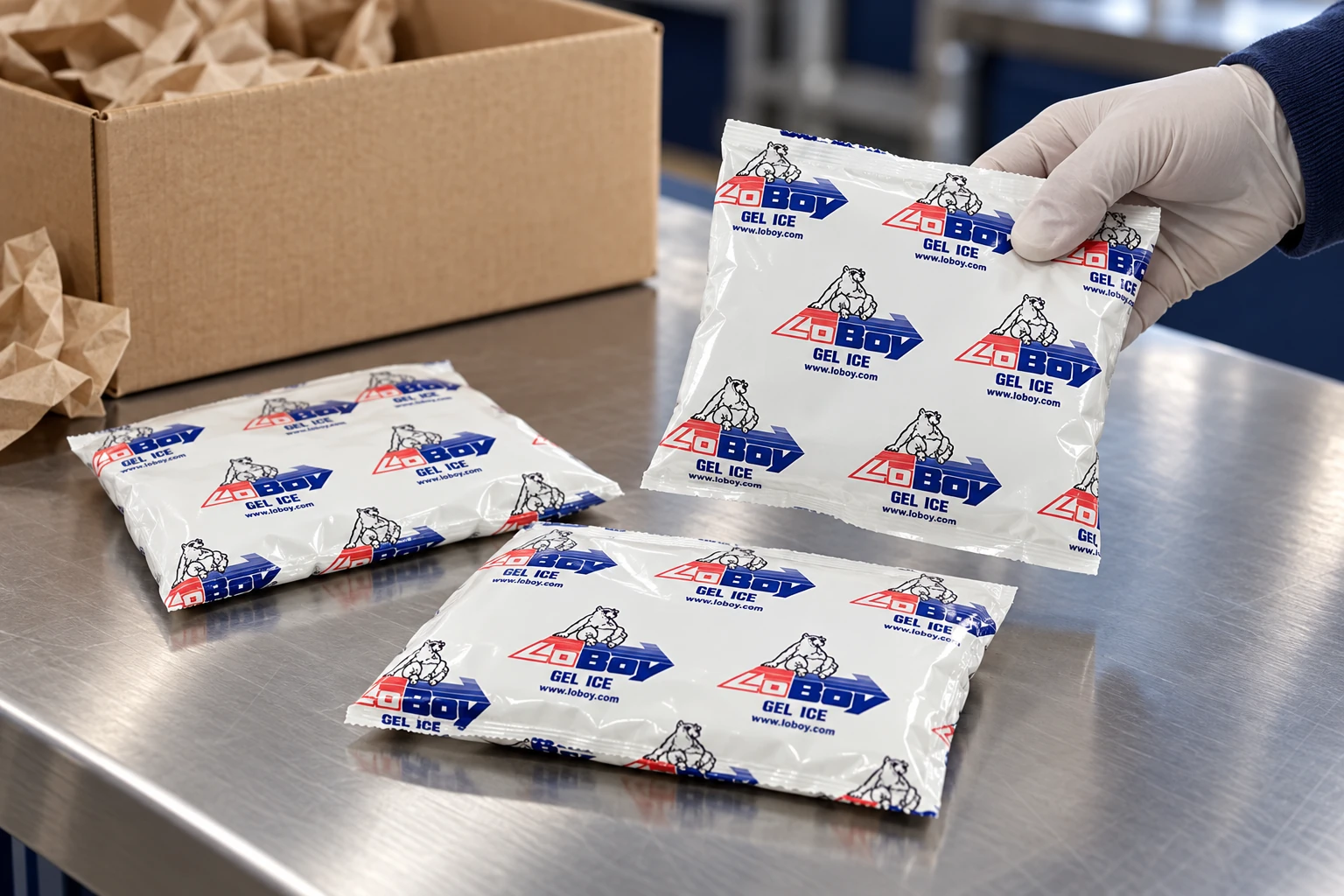
As a rough starting estimate, allow about 1 pound of gel packs per cubic foot of internal container space for each 24 hours of protection. The calculation below gives you a quantity to begin evaluating. Your product load, its starting temperature, insulation, weather and total delivery time all affect what you'll actually need.
Calculate a starting quantity of gel packs
LoBoy's meat-shipping guide gives this rough estimate:
Gel-pack weight in pounds ≈ internal cooler volume in cubic feet × protection time in days.
Measure the cooler's inside length, width and height in inches. Multiply those three measurements, then divide by 1,728 to convert cubic inches to cubic feet.
For example, an inside space of 12 × 12 × 12 inches equals 1 cubic foot. For 48 hours, the estimate is 2 pounds of gel packs. That is a starting point for a trial, not a promise that the meat will stay frozen or refrigerated for two days.
Browse LoBoy Gel-Ice packs
Convert coolant weight into a pack count
Two pounds equals 32 ounces. Here are three ways to reach that total:
| Pack weight | Number of packs | Total coolant weight |
|---|---|---|
| 8 ounces | 4 | 2 pounds |
| 16 ounces | 2 | 2 pounds |
| 32 ounces | 1 | 2 pounds |
These options provide equal coolant weight, but their fit and placement differ. Choose the arrangement around your actual product, then test it. Include time before pickup and after delivery in your estimate, along with the delays you plan to cover.
Measure the product and define its temperature requirements
Put together the actual order, including retail wrapping, trays and any protection needed to prevent damage or contain leaks. Record its weight, dimensions and shape. Those details show how much space the load needs before you add coolant.
State the product's starting temperature and the condition it must maintain. A refrigerated food, a frozen order and a medicine that freezing can damage may need very different arrangements. A quantity that works for one doesn't establish what another needs.
Include the full delivery period in your plan: packing, waiting for pickup, carrier transit and the time before the recipient stores the product. Consider the weather and delays the shipment needs to accommodate. Your supplier needs those details to suggest a starting point that relates to your order.
Check the estimated quantity with the complete order
Use the calculation to build a sample shipment, then review it with your packaging supplier if you need help choosing the pack format or cooler. Actual requirements can be higher or lower. Cooler wall thickness, the amount and shape of the product, its starting condition and heat exposure all affect performance.
Include the coolant when you check the fit. Leave room for any separation needed to protect the product from direct contact with frozen packs. Check that the lid closes normally without putting pressure on the contents.
If you plan to ship several order sizes, try the smallest and largest. A smaller order can leave gaps that change how the contents move. A larger one can use space you were relying on for coolant. Work out which arrangements each quantity needs to cover.
Record pack size and total coolant weight
A direction such as “use four packs” is incomplete unless everyone knows which pack to choose. Record the model, weight per pack, number of packs and total coolant weight.
For example, four 8-ounce packs and two 16-ounce packs both total 32 ounces, or 2 pounds, of coolant. That's an arithmetic comparison, not a recommended shipping quantity. The two arrangements can occupy different spaces and put coolant next to different parts of the product.
Several thinner packs may fit around a load differently from fewer thicker ones. Check the actual dimensions and arrangement rather than assuming equal total weight gives the same result. Compare LoBoy Gel-Ice products with the space your package provides.
Prepare the packs consistently
Follow the supplier's instructions for the exact pack you're using. Record its starting condition in the trial, and use the same preparation process for later shipments. Changing how the packs are prepared changes the comparison even if the count stays the same.
Record the product's starting condition as well. If a carefully chilled test order performs well, don't assume that result covers products loaded at a warmer temperature on packing day.
Keep the preparation directions with the quantity and layout. The person packing the box needs all three pieces of information to reproduce the package you evaluated.
Test the quantity through the full delivery period
Build the trial with the real product, cooler, outer carton, protective materials and proposed coolant arrangement. Photograph the layers before closing the box so you can compare the setup with what you find afterward.
Choose temperature-monitoring locations before the test. A product near the lid or outside edge may face different conditions from one in the center. Use measurements that tell you whether the product stayed within its requirements throughout the planned period.
Include the route and seasonal exposure you need the package to handle. A successful trial under mild conditions doesn't establish performance on a hotter route. Check for movement, leaks and packaging damage afterward, too.
Review an unsuccessful test before adding more packs
If the product gets too warm, check the preparation, starting temperature, insulation and coolant positions before changing the count. You may find that a pack moved, a layer was missing or part of the product had too little protection.
More packs also take up space, increase parcel weight and change product contact. For something sensitive to freezing, extra frozen packs close to the product can create a different temperature problem. Evaluate the revised arrangement against both the upper and lower limits the product needs.
Choose the next change based on the findings and test it deliberately. The gel-pack placement guide helps you consider location alongside quantity.
Write clear packing instructions from the results
When an arrangement meets your requirements, document the exact packs, count, total weight, preparation and positions. Identify the cooler, carton, product range and delivery conditions it covers. Include a photograph showing how the layers go together.
Keep the current version at the packing station. Give staff a clear way to flag an order that doesn't fit instead of adding a pack or moving one without checking. Connect the order or batch to the instructions used so you can investigate a later problem.
Make different pack formats easy to identify. A familiar wrapper or color doesn't establish that the size, contents and preparation requirements are unchanged. Check new supplies against the component list before using them routinely.
Recheck changes to pack size or position
Suppose a different product mix leaves less room beside the food, and someone proposes moving a gel pack underneath it. The count hasn't changed, but the position and product contact have. Check whether your earlier tests cover that arrangement; if they don't, evaluate the revised package before relying on it.
The same applies to a substitute pack. Compare its dimensions, contents and preparation needs, then check how it fits with the complete load. Equal listed weight alone doesn't establish equal performance.
Record the change and any new test results before updating the packing instructions. Keep older records available so you can tell which components and arrangement were used for a past shipment.
Discuss gel-pack quantities for your shipment
The Gel Packs for Shipping guide explains how preparation, quantity and handling work together. Bring your product measurements, temperature requirements and delivery timing to the LoBoy Client Solutions Team when comparing LoBoy Gel-Ice formats.
Those details help establish a practical quantity to test. Your results then provide the basis for deciding how many packs to use with that product, cooler and delivery plan.