Best Insulated Packaging for Frozen Food: A Comparison Guide
The best insulated packaging for frozen food is the system that meets your product's requirements on your shipping routes. Start with a measured payload and a defined arrival condition. Compare containers through the same test plan so the results mean something.
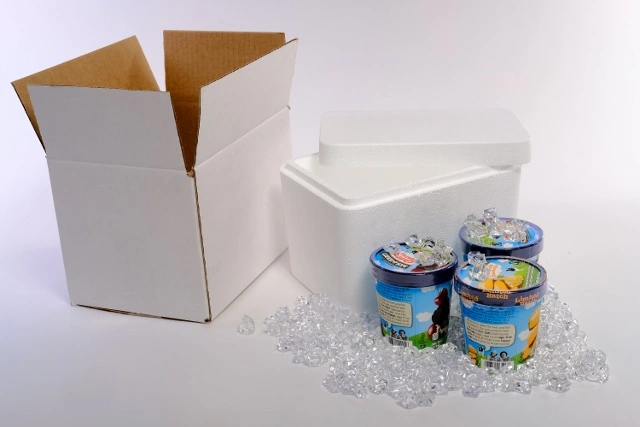
Compare the complete package
Record usable internal dimensions, wall configuration, outer-carton dimensions and closure method. Include coolant, inner containers and protective layers in the trial fit. Nominal capacity alone cannot show whether a stack of meal trays will fit.
Evaluate handling alongside temperature performance. A package that keeps food frozen but crushes a lid still fails the customer. Inspect containment, cushioning and carton condition after representative handling.
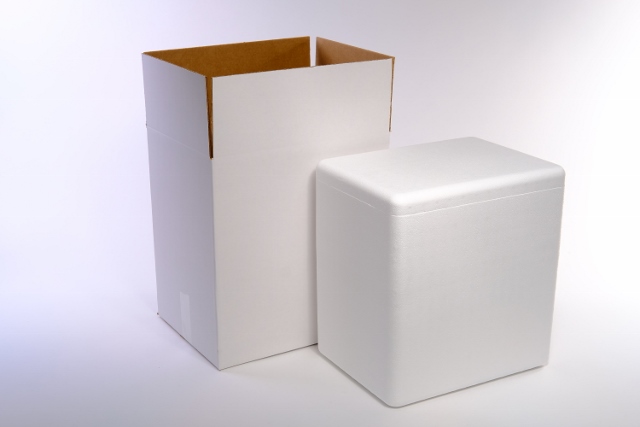
Browse LoBoy shipping coolers
Keep the test fair
Use the same food load, starting condition, monitoring method and exposure when comparing candidates. Record any difference in coolant quantity. Otherwise, you may mistake extra refrigerant for better container performance.
Consider the whole operating cost after the package meets its requirements. Materials, coolant, assembly effort and carrier charges all belong in the comparison. A smaller purchase price can lose its advantage if the system needs more coolant or fails more often.
Make the selection repeatable
Keep the successful arrangement as a controlled specification. Define its approved products, order range and shipping window. Review it when the menu, container or service changes.
Use a packaging comparison worksheet
Compare each candidate with the same protected food load. A useful worksheet separates fit, protection and operating cost.
- Usable fit: Measure the inside space and lid clearance with coolant in place. Reject layouts that compress food packs or lids.
- Physical protection: Check seals, movement and box damage after handling. Reject leaks, worn packaging or crushed containers.
- Temperature evidence: Record food readings through the planned shipping window. Reject a setup that misses the required arrival condition.
- Repeatability: Document the components and packing steps. Reject a setup if staff cannot reproduce the tested arrangement.
- Total cost: Add materials, coolant, labor and shipping costs. Compare the total only among setups that pass the other checks.
For example, compare a flat meal-tray stack with the same trays in a different container. Keep the food, exposure and monitoring plan consistent. If one trial uses more coolant, record that difference rather than crediting the cooler alone.
Use cooler-sizing guidance for the fit check and frozen-food duration planning for the test window.
Define what the package must do
Before asking for samples, record the food, portion size and order range. Include the smallest order and the largest order you plan to ship. A box that works for a full load may leave too much open space around a small one. Different loads may need separate layouts.
Define the required arrival condition and the full delivery window. Include the wait for pickup and the time before the customer opens the box. The delivery service name alone does not describe the heat the parcel will face. Use route and seasonal conditions in the test plan.
A consistent temperature in the test room does not prove the food will stay frozen on a changing route. Decide where to measure food temperature and what counts as a pass before comparing samples. Use the same method for each option. Keep the results with the tested layout so the team can review the evidence.
Compare package types as complete systems
A rigid foam cooler gives the load a defined inner space and lid. Confirm the fit between the cooler and its outer shipping box. The food, coolant and any dividers must fit without forcing the lid shut. Check the outer box as well as the foam after a handling trial.
A liner takes its final shape inside the box. Inspect the loaded liner at its corners, seams and top closure. Ask how to install it and how much usable room remains. A loose sample on a desk cannot show how well the whole parcel will work.
A molded fiber or paper-based option also needs a complete trial. Ask which parts can get wet, how the design handles condensation and what outer box it needs. Material names alone do not rank thermal performance. Compare the actual design with the same food load and shipping conditions.
Reusable containers add a return process to the decision. Determine who will collect them, inspect them and prepare them for the next use. Include loss and return costs in the comparison. A durable container is useful only if the return plan works for the shipper and customer.
Check fit with the food you sell
Use the real trays, pouches or retail packs in a sample layout. Measure the protected load after adding the layers needed to prevent movement and leaks. Reserve the space required by the tested coolant layout. Do not use the cooler's nominal volume as the only sizing rule.
For a meal business, test how the tray stack sits under the lid. Inspect seals for pressure and assess movement within the tray stack. Mixed frozen cuts require checks for sharp edges and uneven shapes. A tight fit can damage inner packs, while an open gap can allow them to shift.
Photograph the layout before closing the box. Weigh and measure the finished parcel, including the outer box. Those figures help compare shipping costs and make the trial easier to repeat. Record any difference between the sample packaging and the parts you will order in bulk.
Review environmental claims with evidence
Request a clear definition of any eco friendly claim for the full package. Does it refer to recycled content, reuse or a disposal route? Request evidence for the specific claim and identify which parts it covers. Avoid treating a broad label as proof that every part can enter the same waste stream.
Check the disposal options available to the customers you serve. A package may need separate instructions for its liner, film, coolant and box. Make those steps clear before choosing the design. Include the effect of extra coolant, larger parcels or damaged orders when reviewing alternatives.
Turn a successful trial into a packing instruction
Record the exact container, box, inner packs and coolant used in the passing trial. Show the order of the layers and the closure steps. Include a photo of the finished layout. Give staff a clear way to spot missing parts or an order that does not fit the approved range.
Try the instruction with someone who did not design the test. Check whether that person can build the same parcel without guessing. If the steps depend on judgment, explain the decision or revise the layout. A successful one-off sample is not yet a repeatable daily process.
Set a review point for changes to the food pack, order size, coolant, box or delivery service. Keep the old and new trial records separate. If a change affects fit or heat exposure, review the evidence before using it for customer orders.
Choose among the options that pass
Separate a failed trial from a higher-cost passing trial. A cheap box that misses the food's arrival requirement is not a workable alternative. Among the options that pass, compare the full parcel cost, packing effort and supply needs. Keep the reasons for the choice with the results.
Ask suppliers about lead times, order quantities and replacement parts before committing to a design. Confirm that the sample uses the same parts as the regular supply. If a supplier proposes a substitute later, review its effect on the tested package. A similar appearance does not establish the same fit or performance.
Compare a measured frozen-food load
Use How to Ship Frozen Food to place the container comparison within the complete shipping process. Send the Client Solutions Team your protected load dimensions, coolant space and order range when comparing LoBoy shipping coolers.