How to Ship Refrigerated Prepared Foods
A prepared meal needs to arrive with more than a cold box around it. The food must stay at its required temperature, the tray must remain sealed, and the sauce needs to stay in its container. A leaking soup tub or crushed salad can ruin an order even when the cooling supply lasts.
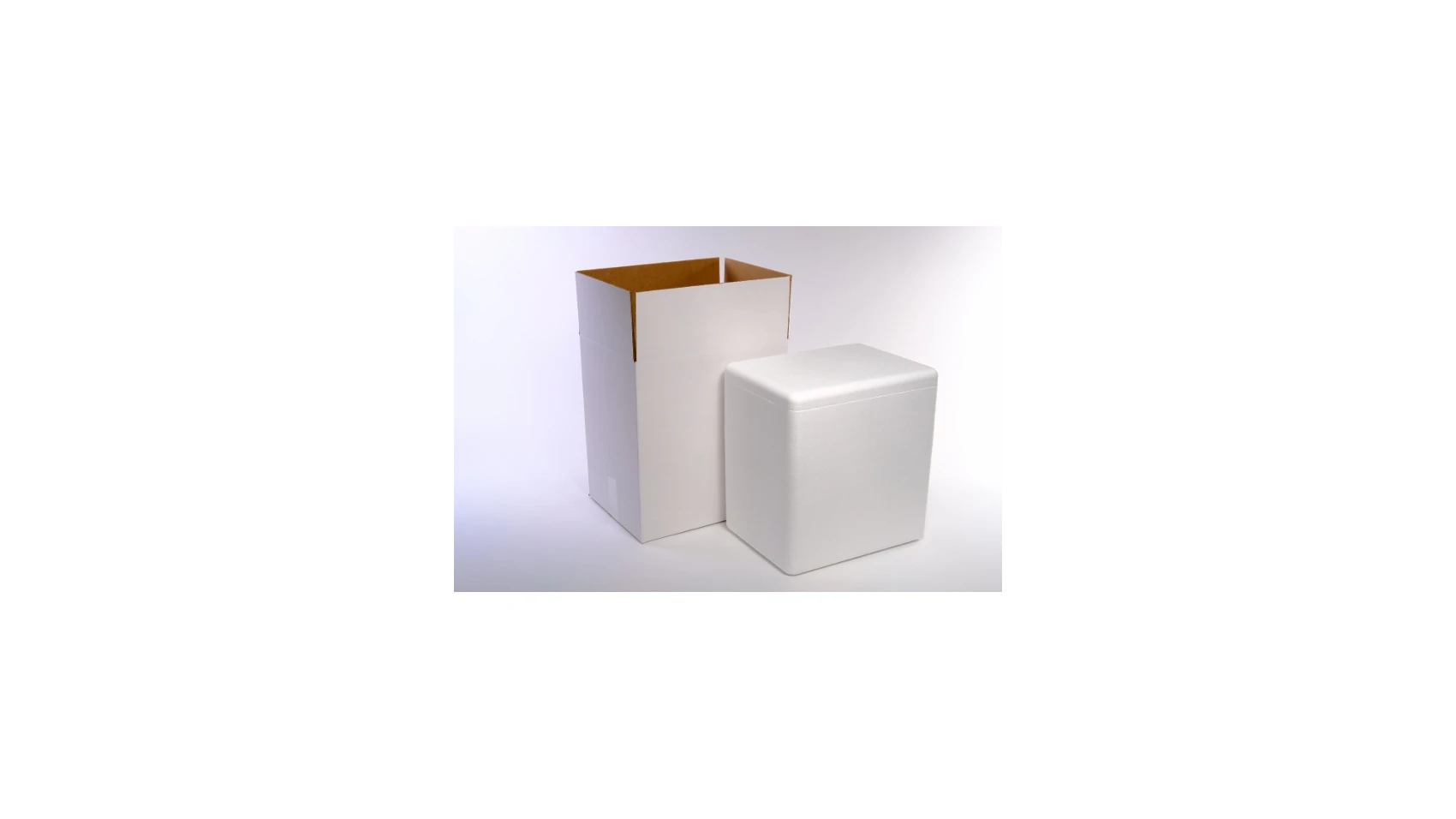
Whether you send meal-prep subscriptions, chilled entrées, soups or ready-to-eat salads, build the package around the actual menu. LoBoy insulated coolers help slow incoming heat. Properly prepared coolant absorbs heat inside, while supported trays and protected closures help the meals survive handling.
Confirm that you can legally prepare and sell the food
Before taking orders, check which permits, inspections and food-safety requirements apply to your kitchen, menu and sales area. A restaurant meal, a home-kitchen product and a packaged food sold wholesale can fall under different rules. Buying insulated packaging does not establish permission to produce or sell the food.
Start with your state or local health department and, where applicable, the state agriculture department. Explain exactly what you plan to make, where you will prepare it, whether it needs refrigeration, and whether you will sell directly to customers, through stores or across state lines. Ask which agency oversees the operation and what must be approved before sales begin.
If you plan to prepare food at home
Do not assume a cottage-food program allows refrigerated meal delivery. Home-food rules vary by state, and some programs allow only specified foods that do not need refrigeration. For example, Pennsylvania's Limited Food Establishment program covers qualifying shelf-stable foods and excludes foods requiring refrigeration or hot holding. Your own state's rules may differ.
Ask specifically whether your proposed soups, meat entrées, dairy dishes or prepared salads are permitted from a home kitchen, and whether online orders, delivery or shipping are allowed. If not, find out what licensed commercial or shared-kitchen arrangement would meet the requirements.
If you already operate a restaurant or commercial kitchen
Ask your regulator whether your current permit covers the new activity. Packing meals for shipment, selling through other businesses or expanding the production process can raise requirements beyond your existing operation. Describe the cooling, refrigerated storage, packaging and delivery process, and ask whether a plan review, additional license, food-safety plan or specialized-process approval is needed.
The FDA's food-business startup guide explains the division between federal and state or local oversight. It also explains food-facility registration and exemptions. Restaurants and qualifying retail establishments may be exempt from FDA facility registration; that exemption does not remove state or local obligations.
Check labels and interstate sales before expanding
Have the labeling requirements reviewed for your specific packaged food. Depending on the product and applicable exemptions, these can include the food name, net quantity, ingredients, responsible business information, allergen declarations and Nutrition Facts. Use the FDA Food Labeling Guide alongside its current food-allergen guidance. FDA notes that the older guide's allergen and nutrition chapters need to be read with newer guidance.
A small-business nutrition-labeling exemption has eligibility conditions. It is not a blanket exemption from all food-labeling requirements.
Before shipping across state lines, confirm that your production arrangement and product are eligible. Meat, poultry and certain egg products can fall under USDA oversight; inspection requirements and exemptions depend on the operation. The USDA FSIS commercial-sales guidance is a starting point for those questions. Carrier acceptance is a separate check and does not establish regulatory compliance.
Once the kitchen, product and sales method are cleared, build the shipping process around the food's required controls. Keep the regulator's requirements with your preparation, labeling and packing instructions so the team can follow them consistently.
Decide which meals will ship refrigerated and which will ship frozen
List everything in the order, including sauces, garnishes and side dishes. Identify which items need refrigeration, which must stay frozen and which are shelf-stable according to their labels. Cooking a food does not automatically make it suitable for unrefrigerated shipping.
A refrigerated meal and a frozen entrée can have different temperature and quality requirements. If those needs conflict, use separate packages or a tested arrangement that maintains each product's required conditions. A divider alone does not create two independently controlled temperatures.
For frozen products, see our frozen-meal shipping guide. Do not substitute dry ice for gel packs in a chilled order without assessing the food, freezing risk, packaging and carrier requirements.
Chill the food before packing and keep the packing area cool
Finish the food's required preparation and cooling process before assembling the shipping order. The food itself needs to be at its specified refrigerated starting temperature; a cold room or a cool-feeling container does not establish that the center of a meal has finished cooling.
Do not put freshly cooked, warm meals into an insulated shipping cooler and expect frozen packs to complete the cooling process. Insulation slows heat transfer in both directions, so it can also hold unwanted heat around warm food. Use your food business's established safe cooling process, then verify the temperature before packing.
Prepare clean coolers, dividers, labels and coolant in advance. Pack chilled meals in a clean, temperature-controlled area suited to the food, working in manageable batches. Keep finished orders under suitable controlled conditions until dispatch. This reduces warming during assembly and leaves more coolant capacity available for the journey.
Protect each type of meal from its most likely packing problem
A package that works for a flat tray of chicken and rice may need changes for soup or a delicate salad. Check the actual containers and how the food is supposed to look when the customer opens them.
| Prepared food | What needs attention |
|---|---|
| Tray meals, pasta dishes and casseroles | Support trays so they cannot bend and loosen their seals. Keep heavy items and coolant from pressing on flexible lids. |
| Soups, stews, curries and sauces | Use containers and closures suitable for the liquid and its handling conditions. Protect lids from movement and pressure, and provide suitable secondary containment and absorbency. |
| Salads and meals with fresh garnishes | Protect delicate ingredients from crushing and unintended freezing. Where practical, package dressings and wet components separately to help preserve the intended texture. |
| Sandwiches and wraps | Keep the food from being flattened by heavier containers. Consider separate packaging for wet ingredients where the menu allows it, and check texture after a trial shipment. |
| Meal kits with raw ingredients | Keep raw meat, poultry, seafood and eggs separated from ready-to-eat food, with suitable containment to prevent leaked juices from reaching other ingredients. |
Inspect every tray, tub and seal before loading. Secondary containment helps limit the spread of a leak; it does not make a damaged food container acceptable to ship. Keep cutlery and sharp tray corners from puncturing neighboring packs.
Choose a cooler that fits the meals, protection and coolant
Measure the complete order with its dividers, cushioning and coolant in place. A cooler that holds six meal trays may not hold those same trays safely once the cooling supply is added.
Check what supports each layer. A heavy soup tub should not rest on a weak salad lid. Keep containers from sliding when the parcel tilts, and make sure the cooler closes without pressing down on the food packages. Use a sturdy outer carton suited to the fully loaded weight.
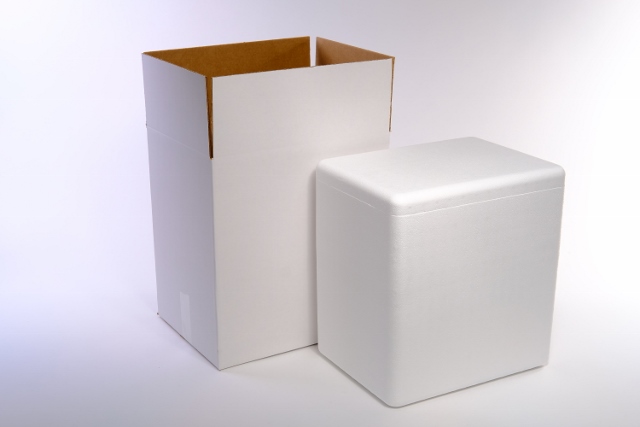
Choose leak-tested coolers and look for evidence of the manufacturer's thermal testing. LoBoy fills production-batch sample coolers with water to check for leaks. Its independent laboratory test information separately documents thermal testing of specified models. Neither check replaces intact meal containers or testing your complete shipping arrangement.
Browse LoBoy shipping coolers
Use enough coolant for the full delivery window
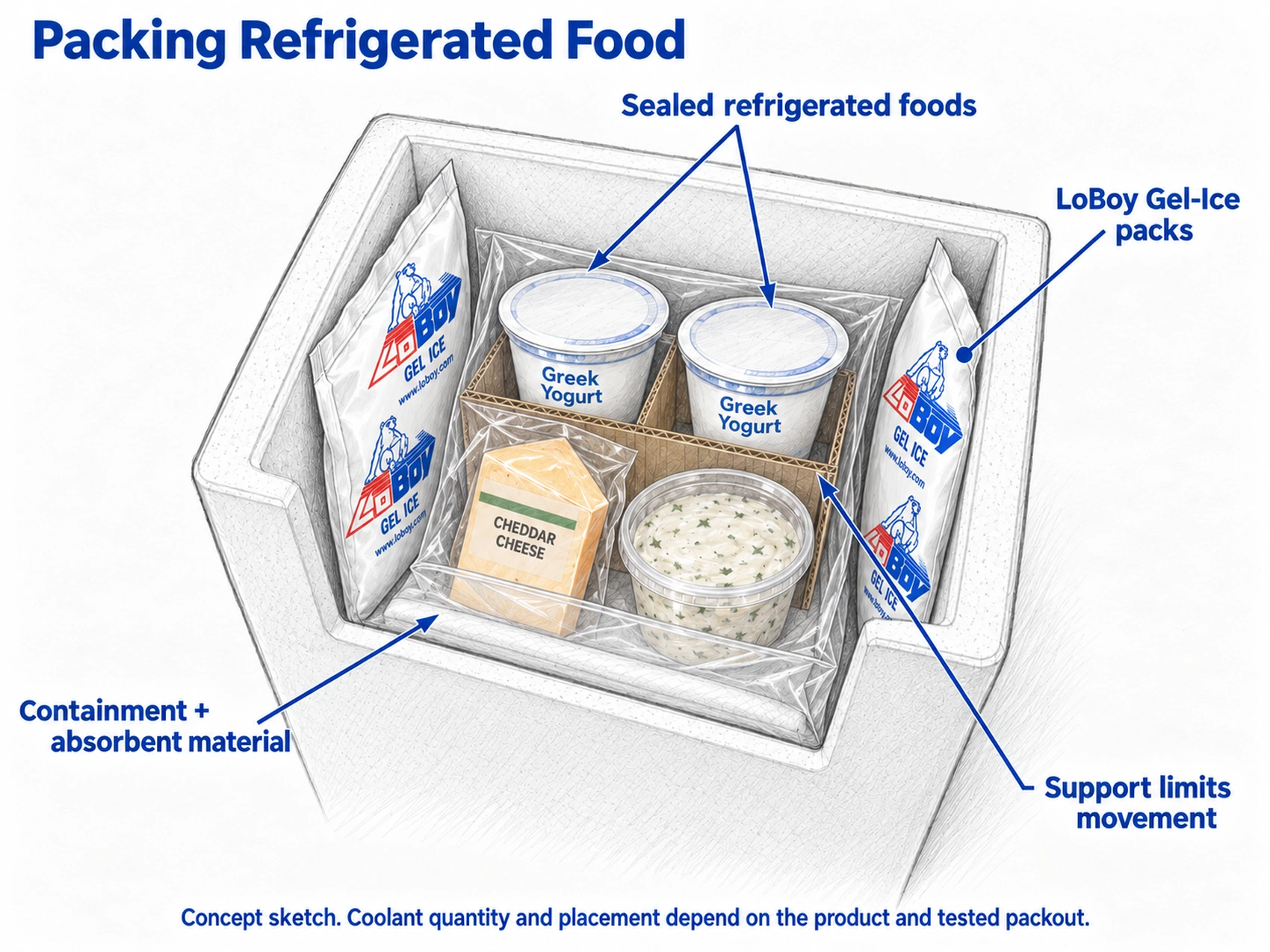
LoBoy Gel-Ice packs are reusable cold packs containing a non-toxic, water-soluble refrigerant gel in a leak-resistant sleeve. They absorb heat as they warm and thaw. Combined with suitable insulation, they provide a coolant option for refrigerated prepared foods.
How much coolant you need depends on meal quantity, starting temperature, cooler size, insulation, outdoor conditions and delivery time. Prepare the packs as specified for your tested arrangement and record their weights and positions. Two small packs are not automatically equivalent to two large ones.
Check that meals near frozen packs do not freeze if they are meant to remain chilled. Separators may be needed, but they also affect heat transfer. Test the actual layout rather than assuming that adding a barrier or moving the packs will have no effect.
Account for the time before and after delivery
Include packing, waiting for pickup, carrier transit and the time before the recipient refrigerates the meals. Controlled staging helps preserve the starting condition, but it still belongs in the process you evaluate.
For example, an order packed at 9 a.m., collected at 3 p.m., delivered at 10 a.m. the following day and refrigerated at 11 a.m. spends 26 hours in its shipping package. It needs protection for that complete period, plus the delay allowance you intend to cover.
Confirm pickup cutoffs, delivery days and service availability for the destination. Check that the carrier accepts the contents. A next-day service name does not establish the temperature inside your meal trays, and a missed pickup may use up the protection intended for the following day's trip.
Test small and large meal orders before shipping to customers
To find out how long your setup keeps the meals at their required temperature, test a fully packed order under conditions similar to the delivery route. Include realistic hot-weather exposure and the delays your plan is intended to cover.
Use the actual menu, retail containers, cooler, coolant and outer carton. Measure food temperatures at representative locations throughout the test, including places likely to warm first and places close to frozen packs. A single reading at arrival does not show what happened earlier.
Test the smallest and largest orders you plan to send. A small order may have more room to move; a full order may put too much pressure on lids or leave too little space for coolant. After representative handling, inspect for shifted trays, cracked tubs, loose lids and leaks. Also check whether salads, sandwiches and other texture-sensitive items still meet your quality expectations.
Keep a photo or clear layout with the approved packing instruction. Record meal counts, container sizes, coolant weights and preparation, and the tested shipping window. When a menu item changes, check whether its new container, weight or cooling needs require another trial.
Give customers clear temperature and storage instructions
Tell recipients when to expect delivery and ask them to unpack and refrigerate the meals promptly. Include the actual menu's storage directions, use-by information and preparation or reheating instructions. Shipping in a better cooler does not establish a longer shelf life.
FoodSafety.gov's delivery guidance recommends checking shipped perishables with a food thermometer. Refrigerated perishable meals should arrive at 40°F or below; follow any stricter product requirements.
If shipped perishable food arrives above 40°F, FoodSafety.gov advises notifying the supplier and not eating or tasting it to decide whether it is safe. Appearance and smell cannot establish safety. Provide a clear contact method for reporting temperature concerns or damaged packages.
Use delivery problems to improve the next shipment
Keep the order details, packing version and delivery timeline with each report. If the box is wet, find out whether a meal container leaked, a coolant sleeve failed or condensation formed. Those problems need different corrections.
A crushed lid may call for better support. Warm meals may point to insufficient coolant, a longer trip or food packed above its intended starting temperature. Identify the cause before changing materials, then repeat the relevant test to check the correction.
Get help choosing a cooler for your prepared meals
Send the LoBoy Client Solutions Team your tray and tub dimensions, order quantities, required temperature and expected delivery time. Include the space needed for coolant and protection when comparing LoBoy shipping coolers.
Our perishable-food shipping guide connects food preparation, coolant and delivery planning. For prepared meals, all three need to work together so customers receive food that is cold, intact and ready to store as directed.