How Styrofoam Cooler Walls Slow Heat Transfer
Tiny air pockets in the foam slow heat transfer through the walls and lid. Ice absorbs the heat that still gets in. Together, they keep the contents cooler for longer.
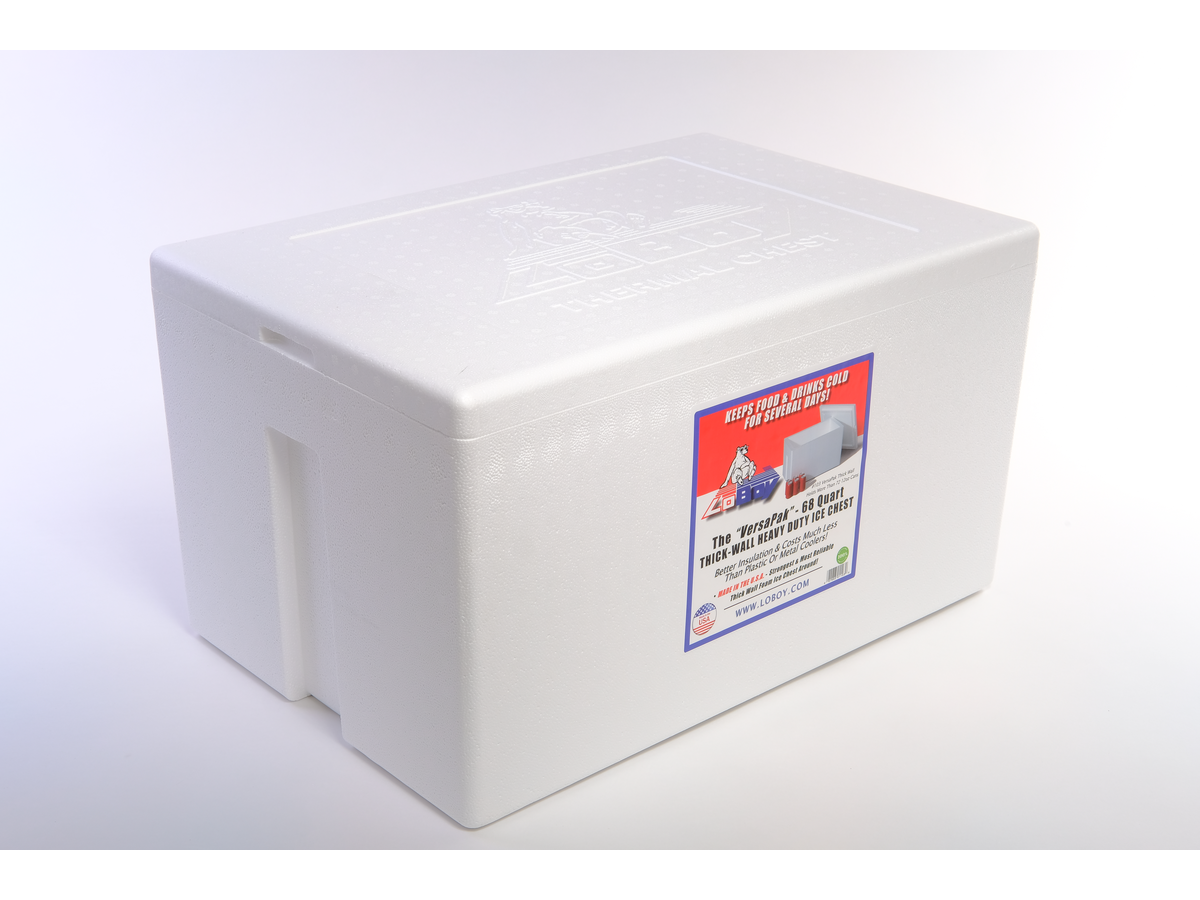
- Through the foamHeat moves slowly through the walls.
- Through the open lidWarm air mixes with the cooler air inside.
- From direct sunlightSunlight warms the outside surface.
How Does Styrofoam Keep Things Cold Inside a Cooler?
A Styrofoam cooler works by slowing heat transfer from its warmer surroundings into its colder contents. The cooler wall is made of expanded polystyrene (EPS), a foam with tiny air-filled cells. Air conducts heat poorly, and the cells are small enough to restrict air circulation. Together, those properties make the foam an effective barrier between the outside air and the contents.
The foam and the ice do different jobs. The foam slows the rate at which heat enters. The ice absorbs heat as it melts, helping limit the rise in temperature inside. Load a cooler with warm drinks and some of the ice goes toward cooling them down. Load it with drinks that are already chilled and more of that ice is available to absorb heat coming in from outside.
How Does Heat Get Into a Styrofoam Cooler?
How do thicker foam walls slow heat conduction?
Conduction is heat transfer through material. On a hot day, heat can travel through the lid, sidewalls and base of a cooler even while it stays closed. A thicker layer of the same foam offers more resistance because the heat has a longer path through the material. The lid and base matter too. A thick sidewall tells you little about how well the whole cooler insulates if the lid is thin or fits loosely.
Why does ice melt faster when you keep opening a cooler?
Convection is heat carried by moving air. Opening the lid lets warmer outside air mix with colder air inside. Each opening can add heat for the ice to absorb, especially when the lid is left off while people search for drinks. If one cooler will be opened repeatedly at an event, put drinks in that cooler and keep the second cooler closed until you need it.
Does leaving a Styrofoam cooler in the sun make ice melt faster?
Direct sunlight can warm the cooler’s outer surface, increasing the heat that moves through the shell. A hot truck bed or other hot surface can also transfer heat through the base by contact. Shade addresses the first problem. Moving the cooler off a hot surface addresses the second. Both are ways to reduce the load on the ice without changing the cooler itself.
What Is EPS Foam and Why Is It Used in Styrofoam Coolers?
EPS stands for expanded polystyrene. Manufacturers expand small polystyrene beads and fuse them in a mold to form the cooler body and lid. The resulting foam is lightweight because much of its volume is air held in tiny cells. The rigid molded shape also makes it possible to build a container with a fitted lid and choose wall thickness and interior dimensions for the job. Browse LoBoy thick-wall Styrofoam coolers to compare sizes and construction.
When comparing two coolers, look at the usable inside dimensions, the thickness of the walls and lid, and how the lid seats. A high quart rating tells you how much space the cooler has. To decide if it will work for you, check that your contents and enough coolant can fit together with the lid fully seated.
How Much Ice Did Five LoBoy Styrofoam Coolers Retain After Seven Hours at 90°F?
In an independent lab, each cooler started with a measured load of ordinary water ice. Four thick-wall models showed little to no measurable ice loss. The thinner-wall 117H Tag-Along started with 9 lb and finished with 8.25 lb. The cards show the starting and final ice weights for each model.
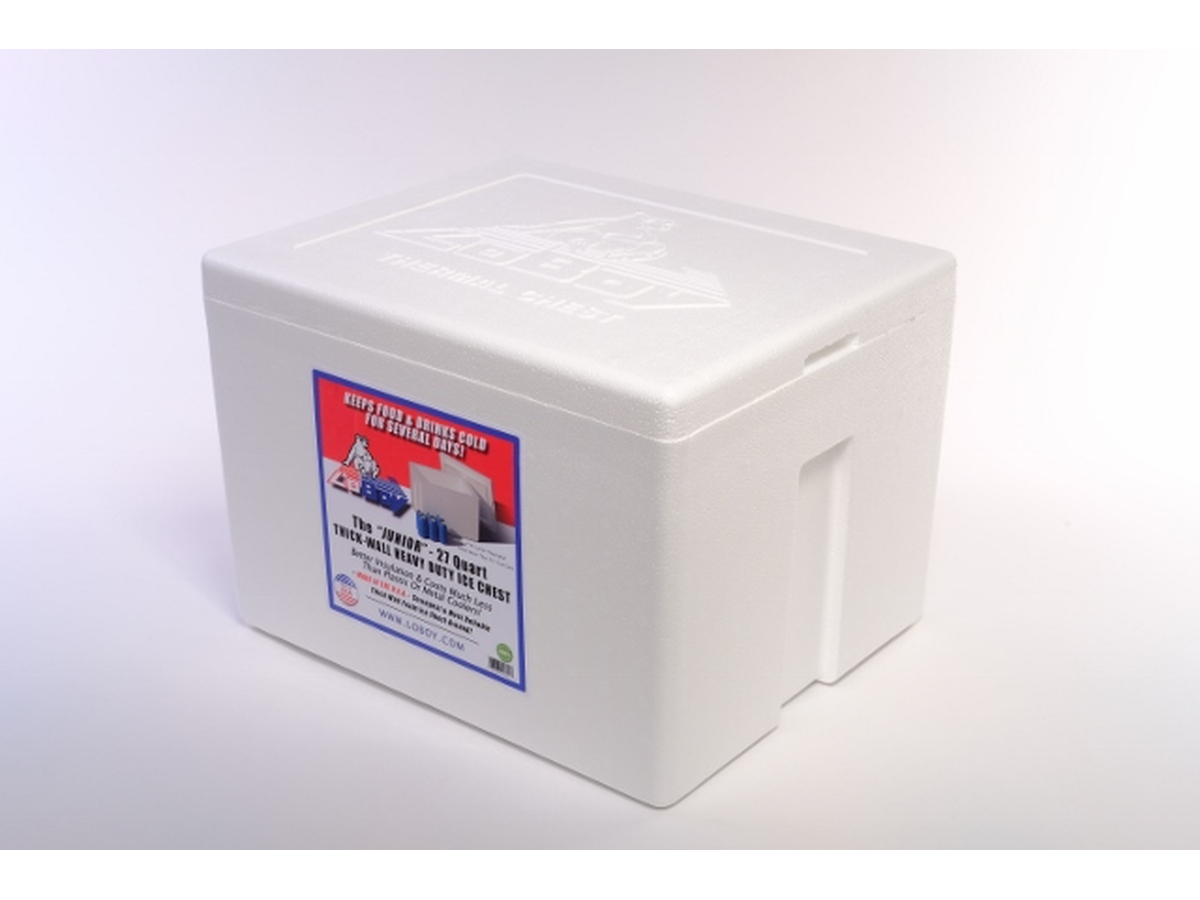
27 qt
- Starting ice
- 20 lb
- Ice after 7 hours
- 20 lb

85 qt
- Starting ice
- 64 lb
- Ice after 7 hours
- 64 lb

68 qt
- Starting ice
- 50 lb
- Ice after 7 hours
- 50 lb
47 qt
- Starting ice
- 35 lb
- Ice after 7 hours
- 35 lb

12 qt
- Starting ice
- 9 lb
- Ice after 7 hours
- 8.25 lb
The test measured ice weight after seven hours. It did not establish how long a particular shipment would stay within a target temperature range. Starting temperature, ice load, outside heat and lid openings can change the result.
How Long Does a Styrofoam Cooler Keep Things Cold?
How long a Styrofoam cooler stays cold depends on the starting temperature of the contents, the amount and type of coolant, the insulation and lid fit, the outside temperature, and how often it is opened. It also depends on what you mean by cold. Keeping drinks pleasantly chilled, keeping ice visible at the end of an event, and keeping a shipment within a specific temperature range are three different measurements.
Use the LoBoy test above as a point of comparison for ice retention under one set of conditions. For an actual shipment, start with the required product temperature, the expected transit time, and likely delays or temperature extremes. Then evaluate the complete packout with the intended product load and coolant. LoBoy’s insulated shipping coolers let you compare sizes and choose a model for your packout.
How Can You Make Ice Last Longer in a Styrofoam Cooler?
Start cold. Chill the contents before packing when possible. If you’re putting room-temperature drinks into a foam cooler, expect part of the ice to melt while it brings the drinks down in temperature. Allow room for the coolant when you pick a cooler size, and keep the lid seated during transport.
Limit heat exposure and lid openings. Keep the cooler in shade and away from hot surfaces. Group frequently used items together so the lid can go back on quickly. For a longer trip, consider a separate cooler for items you’ll reach for often so the cooler carrying the rest of your load can stay closed.
What Should You Look for in a Thick-Wall Styrofoam Cooler?
Start with the job. For an event, consider repeated lid openings and how you’ll carry the cooler when loaded. For shipping, check the inside dimensions against your product and coolant, then verify how the full package will perform in transit. For either use, compare the lid fit and wall construction alongside the capacity.
Compare cooler sizes and wholesale options
LoBoy’s Perishable Shipping Arsenal
Choose a guide for what you’re shipping or how you plan to keep it cold.

Dry Ice Shipping: Insulated Packaging, Supplies and Carrier Rules
Choose an insulated container and check carrier rules before you pack.
Gel Packs for Shipping: Selection and Packing Guide
Compare gel pack sizes, preparation and placement for your shipment.
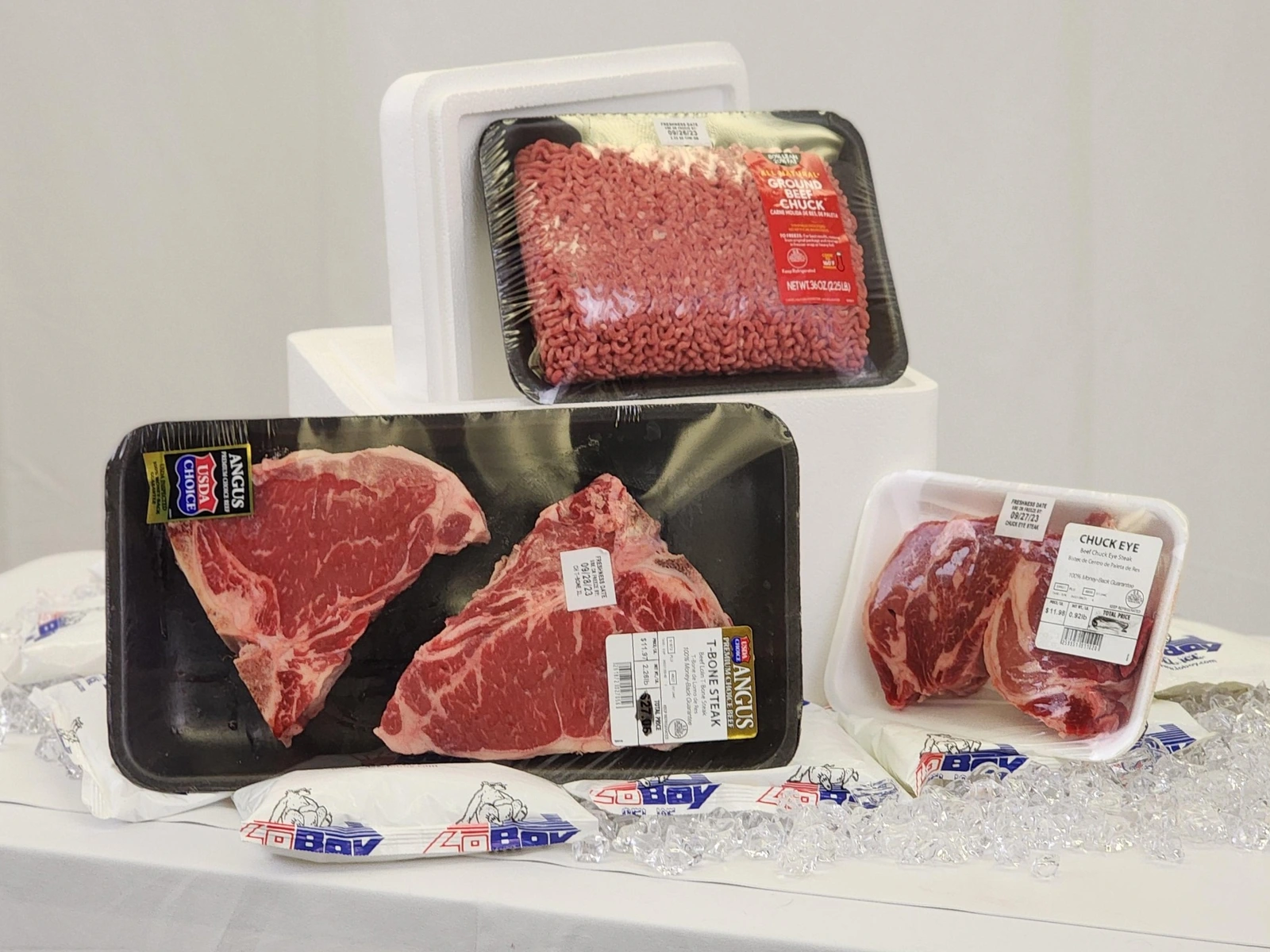
How to Ship Frozen Meat: Packaging and Coolant Choices
Choose a coolant and build a packout for frozen meat orders.
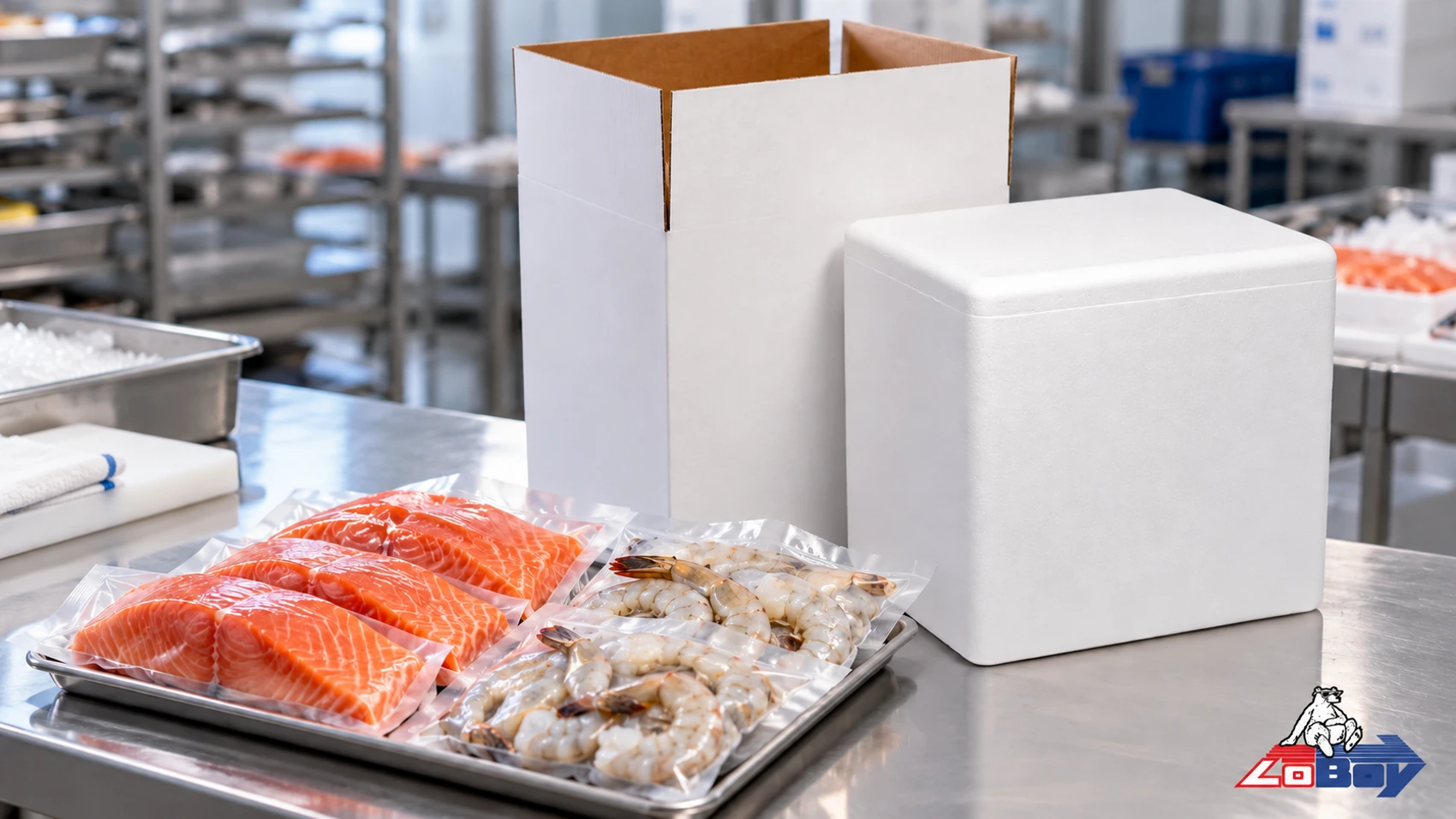
How to Ship Seafood: Chilled and Frozen Packaging
Compare chilled and frozen packouts for fish, shellfish and more.
Find the Right Styrofoam Cooler for Your Order
Tell LoBoy what you need to keep cold, how much you’re packing, and when you need it. The Client Solutions Team can help you choose a size and get wholesale pricing.
 Cheap Styrofoam Cooler vs. LoBoy: Why Thick-Wall Construction Wins Every Time