How to Ship Fresh Produce Without Heat Damage or Bruising
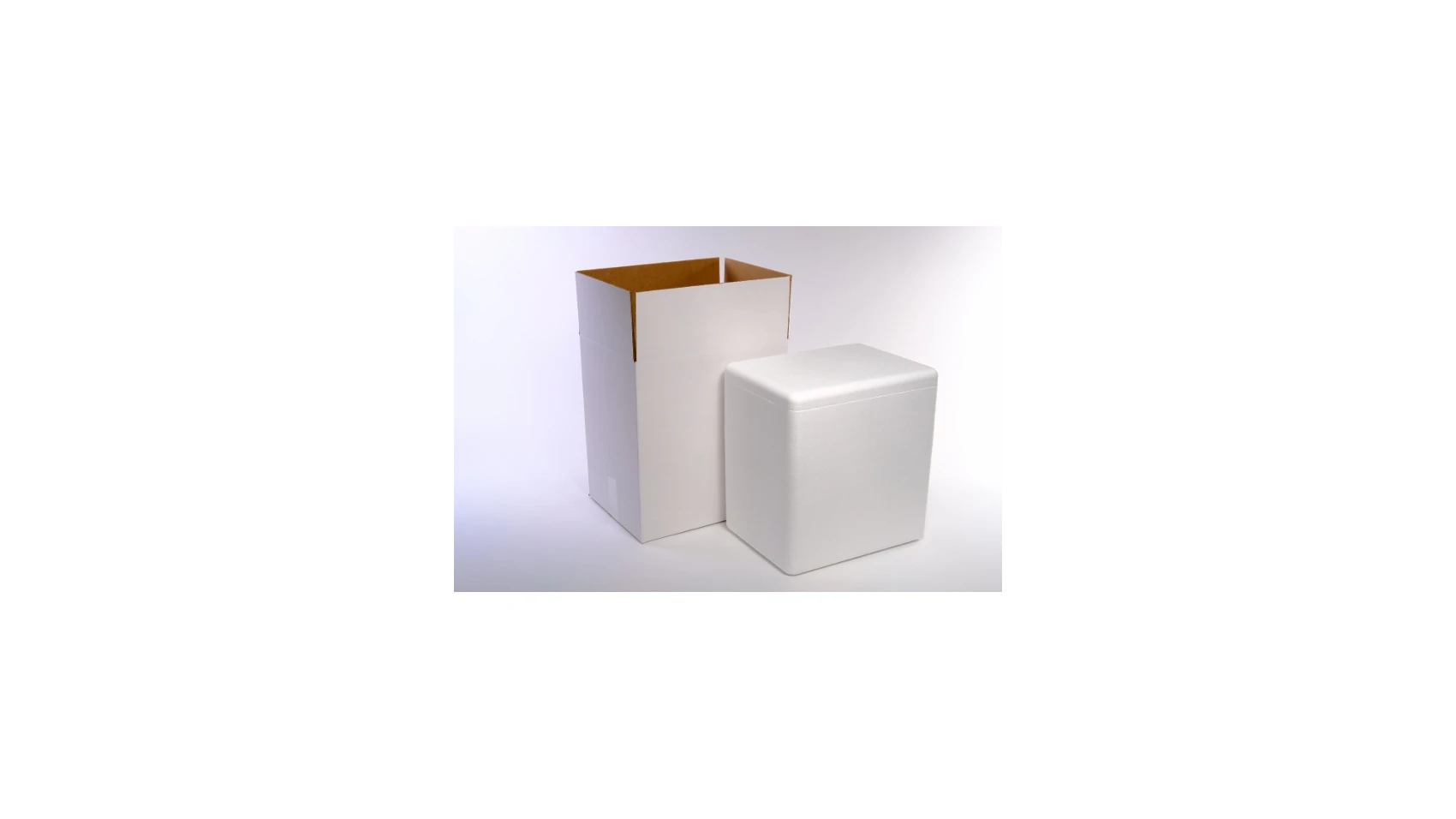
A box of strawberries and a box of cucumbers should not automatically get the same packing treatment. Strawberries benefit from temperatures near freezing, while cucumbers can suffer damage from temperatures well above freezing. Soft fruit also needs protection from pressure that a firmer vegetable might tolerate.
Shipping produce successfully starts with knowing what your particular fruits and vegetables need. From there, you can choose insulation, coolant and protective packaging that help the order arrive in good condition. LoBoy insulated coolers slow heat transfer, while the right inner packaging helps keep the produce from shifting, rubbing or being crushed during the trip.
Check the recommended temperature for each fruit or vegetable
Fresh produce is living plant material. Its condition continues to change after harvest, and temperature affects how quickly quality is lost. Excess heat can accelerate deterioration; excessive cold can damage sensitive crops. Chilling injury means damage from low temperatures above the crop's freezing point. It is different from actually freezing the produce.
The UC Davis produce fact sheets give crop-specific handling guidance. These examples show why one temperature does not suit every fresh-produce shipment:
| Produce | UC Davis postharvest guidance | What that means when planning a shipment |
|---|---|---|
| Strawberries | Optimum temperature is about 32°F (0°C), with 90–95% relative humidity. | Prepare a cold shipping arrangement that also protects the berries from injury. Keep damaged or decaying berries out of the order. |
| Cucumbers | Optimum temperature is 50–55°F (10–12.5°C). Chilling injury can occur below 50°F, depending on the temperature, variety and exposure time. | Do not assume the coldest possible box is best. Check the temperature near coolant as well as elsewhere in the shipment. |
| Mature-green tomatoes | Optimum temperature is 55–60°F (12.5–15°C). | Choose a plan for their maturity at dispatch and the condition you want at delivery. |
| Light-red tomatoes | Optimum temperature is 50–55°F (10–12.5°C). | A tomato's ripeness changes the appropriate handling temperature; record it when testing the shipment. |
| Firm-ripe tomatoes | UC Davis lists 44–50°F (7–10°C) for short holding periods of 3–5 days. | Protect ripe fruit against pressure as well as temperature changes. The holding guidance is not a guarantee of parcel-shipping life. |
These are postharvest quality recommendations for the specified whole crops, not universal food-safety limits or guaranteed shipping durations. Cutting, processing or adding other ingredients can change the handling requirements. Use the directions for the exact product you sell.
Read the source guidance for strawberries, cucumbers and tomatoes before setting the conditions for your shipping trial. For other crops, look up their own requirements rather than borrowing a nearby row in the table.
Pack sound produce at the right stage of ripeness
Inspect the order before packing. Remove produce with decay or damage that makes it unsuitable to ship. Packaging can protect good produce, but it cannot reverse bruises or restore freshness already lost before dispatch.
Choose the harvest or packing maturity for the crop and the intended journey. Strawberries, for example, should be harvested near fully ripe according to UC Davis; sending less ripe berries is not a substitute for keeping them cold and protecting them. Tomatoes require a different decision because their temperature guidance changes with maturity.
Pre-cool the produce and pack it in a temperature-controlled area
For produce that needs cold shipping, bring the crop itself to its recommended shipping temperature before putting it in the insulated package. This pre-cooling, or pre-chilling, removes heat carried in from the field or another warm environment. It is especially important for highly perishable crops such as strawberries that need temperatures close to 32°F (0°C).
Use a cooling method suited to the crop. Forced-air cooling draws cold air through properly vented produce packages and is commonly used for berries. Other crops may suit different methods, such as hydrocooling or vacuum cooling. These methods are not interchangeable: water exposure, cooling speed and the lowest suitable temperature depend on the produce. The University of Minnesota Extension's postharvest guidance explains removing field heat, while the UMass berry-handling guide describes forced-air cooling through vented containers.
Check the produce temperature before packing. A cold room's thermostat tells you the air temperature, not whether the center of the load has finished cooling. Allow enough time and airflow for the product to reach its intended temperature throughout.
Pack the already chilled produce in a clean, temperature-controlled area suitable for that crop. Have the cooler, prepared coolant, dividers and outer carton ready before moving the order to the packing station. Bring out manageable batches, assemble them promptly and keep the packed orders under suitable controlled conditions while they wait for pickup. Moving cold fruit onto a hot packing bench can undo part of the work you just did.
The benefit is practical: coolant can spend more of its cooling capacity protecting the shipment during transit instead of removing heat picked up during packing. Repeated warming and cooling can also encourage condensation. Keep the cold chain continuous from pre-cooling through packing and dispatch, and include those steps in your shipping trial.
A LoBoy insulated cooler slows heat transfer; it is not an active refrigeration unit for a load of warm produce. Adding extra frozen packs is not a substitute for proper pre-cooling, and crops sensitive to chilling still need their own higher temperature range.
Keep heavy produce from crushing soft fruit
Use suitable punnets, clamshells, trays or dividers to support the produce. The container needs to carry the weight above it without transferring that pressure to the fruit. Do not set a heavy item directly on berries or ripe tomatoes and expect loose filler to protect them.
Check how the order behaves if the parcel tilts. Loose produce can roll into other items; containers that slide can collide or open. Fill unused space with appropriate cushioning, but avoid squeezing the fruit or blocking vents needed by its packaging.
Measure the order with all its protection in place. Include space for coolant and separators where needed. The cooler must hold the complete arrangement without forcing its lid down onto the produce or the retail containers.
Use coolant without exposing the crop to damaging cold
For crops that need refrigerated shipping, insulation slows incoming heat and coolant absorbs heat inside the package. The amount needed depends on the starting temperature, produce load, cooler, weather and complete delivery time. There is no single gel-pack count that works for every box of fruits and vegetables.
LoBoy Gel-Ice packs are reusable cold packs with a non-toxic, water-soluble refrigerant gel in a leak-resistant sleeve. When they suit the crop's temperature needs, they provide a coolant option without deliberately adding loose melting ice around the produce. Keep food in its appropriate packaging and inspect the coolant sleeves before use.
Test for damaging cold near frozen packs. A separator may be needed to prevent direct contact while still allowing enough cooling. Dry ice is not a default choice for fresh produce: its intense cold can freeze or otherwise damage a load intended to stay fresh. A method used for frozen food needs a separate assessment before it is used for fresh crops.
Manage moisture without blocking the airflow the produce needs
Produce can lose water and shrivel, yet excess surface moisture can create other problems. High relative humidity means moisture in the surrounding air; it does not mean the fruit should sit in pooled water.
Use inner packaging suited to the crop and keep required vents clear. Where appropriate, absorbent material can help manage incidental moisture, but do not wrap everything tightly in plastic without checking how that affects the produce. A sealed liner changes the conditions around a load.
Look for condensation and wet packaging during trial shipments. Identify whether moisture comes from the produce, a damaged coolant pack or condensation on cold surfaces. Each source calls for a different correction.
Check whether the items in a mixed produce box belong together
Compare temperature, moisture and handling needs before combining crops. A divider keeps items from touching; it does not create a separate temperature zone or keep gases from moving through the box.
Ethylene is a gas involved in ripening and other changes in produce. UC Davis warns that cucumbers are particularly sensitive to it and advises against mixing them with commodities such as bananas, melons and tomatoes. The result can be faster yellowing and decay, even if the produce looks fine when you pack it.
If items need conflicting conditions, change the assortment or send separate packages. A mixed order should be tested as the actual combination you intend to sell.
Choose a cooler and outer carton that protect the complete order
For a crop that needs an insulated shipping system, LoBoy coolers help slow temperature changes during handling and transit. Suitable cushioning, crop containers and a sturdy outer carton provide the physical protection around that insulation.
Choose leak-tested coolers and ask for evidence of the manufacturer's thermal testing. LoBoy fills production-batch sample coolers with water to check for leaks. Its independent laboratory testing information separately covers thermal tests on specified cooler models. Neither check establishes a shipping duration for every crop or package.
For example, better insulation can slow unwanted heat entering a strawberry shipment. It cannot keep berries from being crushed under an unsupported heavy tray. Use the packaging component that addresses the problem you are trying to solve.
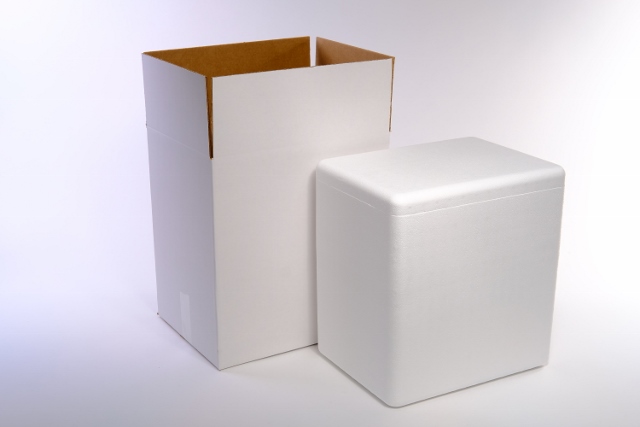
Browse LoBoy shipping coolers
Account for the time before and after delivery
Include packing, waiting for pickup, carrier transit and the time before someone brings the order inside and stores it correctly. An overnight service describes a delivery schedule; it does not measure how long your produce stays in suitable conditions.
Allow for delays that are realistic for the route. Check pickup cutoffs and delivery days, and arrange for someone to receive the order promptly. Avoid sending a time-sensitive crop into a known weekend hold simply because the label can be printed that afternoon.
Before dispatch, check agricultural restrictions for the actual origin, destination and contents, along with the carrier's acceptance requirements. The UPS food-shipping guidance offers general packing advice; the crop's needs still determine the appropriate temperature and protection.
Test a fully packed shipment and inspect the produce afterward
To find out whether your arrangement protects the produce for the whole journey, test a fully packed order under conditions similar to its delivery route. Use the actual crop, maturity, retail containers, coolant and shipping carton. Include the hot-weather exposure and delay allowance your plan is intended to cover.
Measure temperatures at representative positions, including near coolant and in areas likely to warm first. Inspect for bruising, crushed containers, chilling damage, moisture problems and decay. An intact outer box can still contain damaged fruit.
Compare small and large orders. A small order may move more, while a large one may create pressure or obstruct airflow. Keep photos of the arrangement and record the coolant weights, starting conditions and results so staff can repeat the version that worked.
Give customers storage instructions for the actual produce, plus a clear way to report damage or delays. Good appearance alone does not establish food safety; follow the applicable handling requirements for the product.
Get help sizing the cooler for your produce shipment
Share the crop, ripeness, protected order dimensions, required temperature and expected journey time with the LoBoy Client Solutions Team. Include any airflow needs and the room required for coolant when comparing LoBoy insulated container options.
Our perishable-food shipping guide connects product preparation, packaging and delivery planning. For fresh produce, the goal is an arrangement that protects the crop's temperature, texture and condition all the way to the person unpacking it.