Overnight Shipping Perishable Food: Packing and Delivery Steps
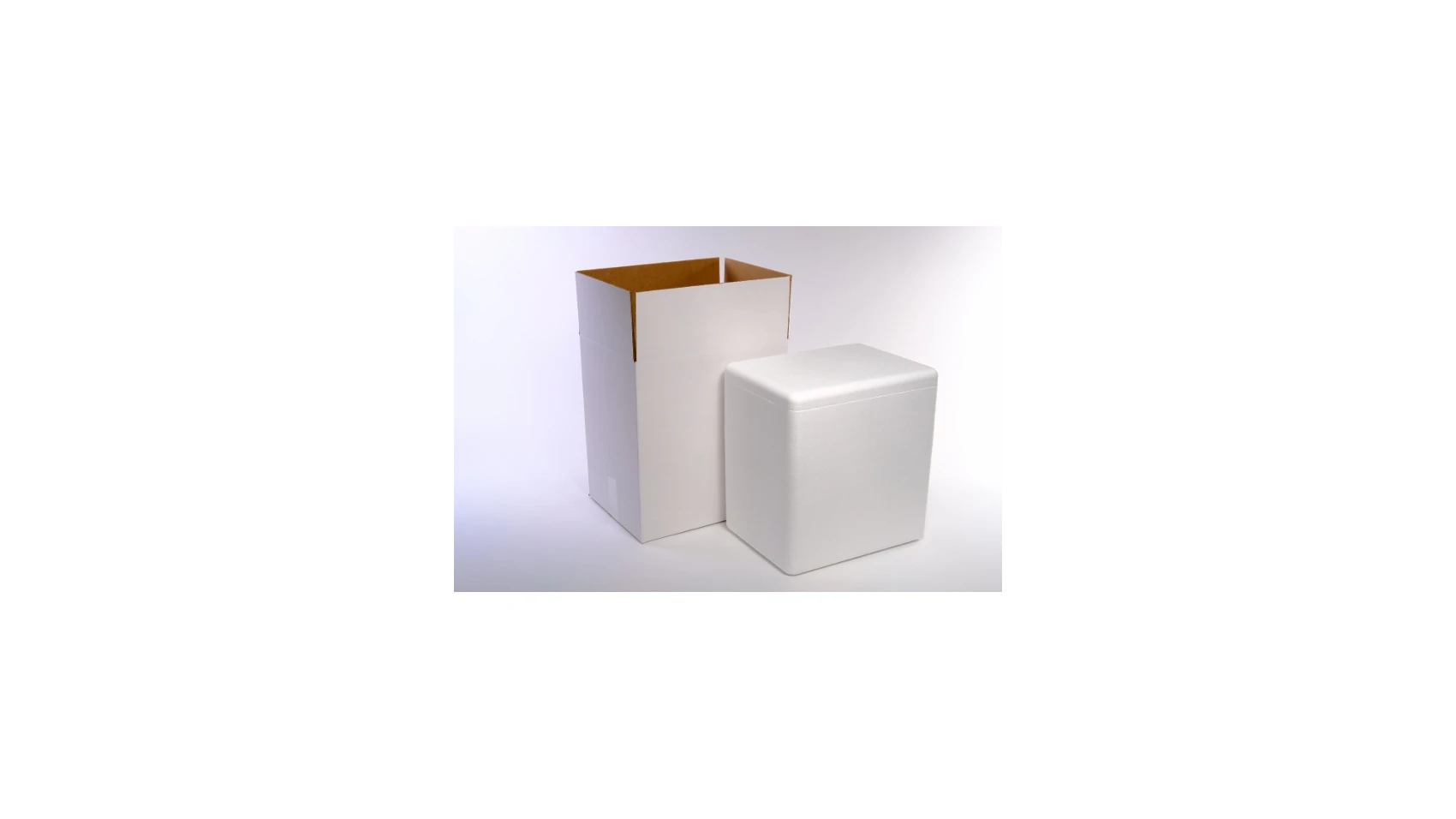
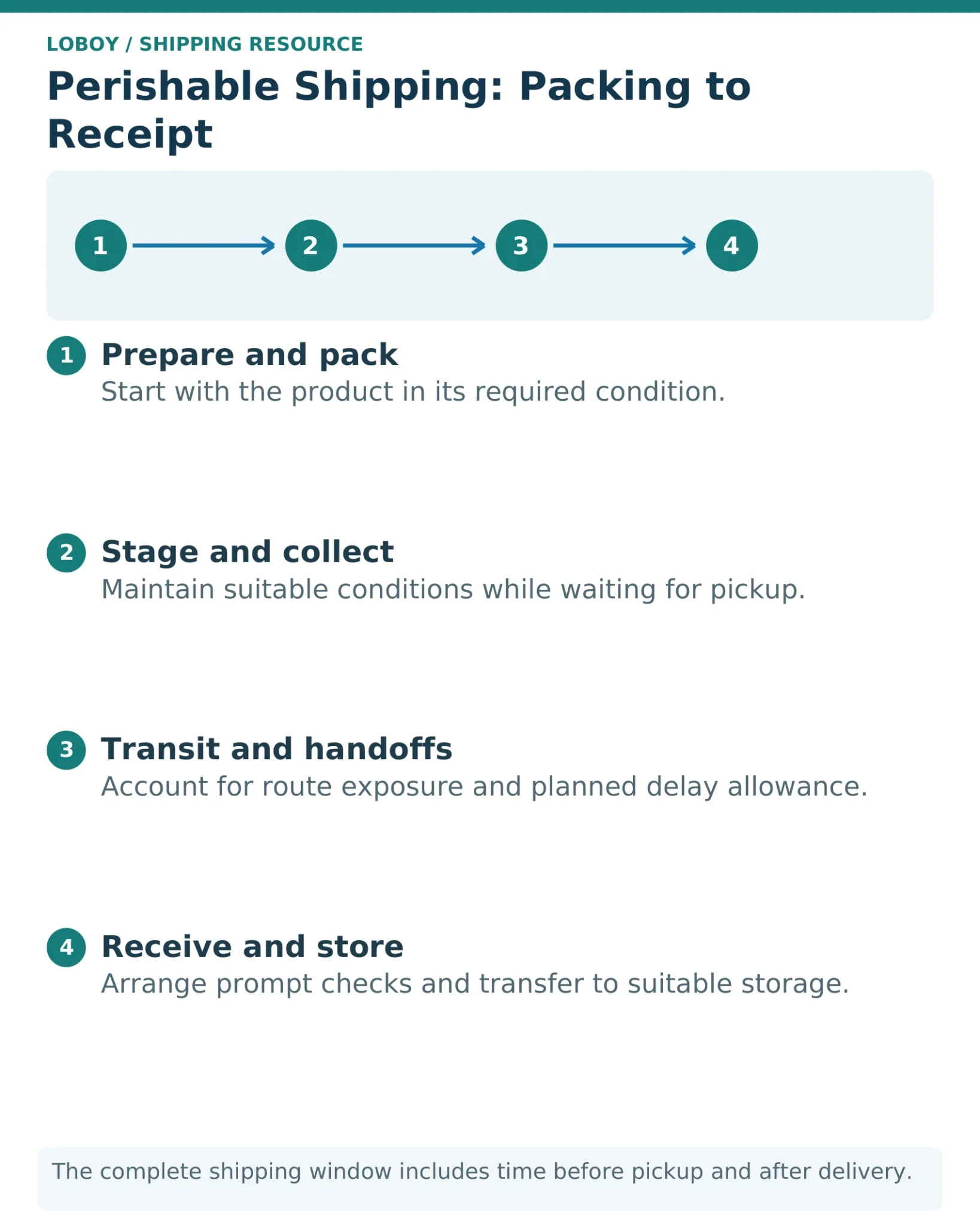
To ship perishable food overnight, choose an insulated package that keeps the food at the required temperature until the recipient unpacks and stores it. That includes time before the carrier collects the box and after it reaches the doorstep.
Start with the actual order and delivery address. Confirm the service and pickup cutoff, prepare the food and coolant, then pack using an arrangement you've evaluated for that delivery period. Give the recipient clear instructions before the box arrives.
Confirm overnight service, the delivery date and the pickup deadline
Confirm the chosen service for the exact origin, destination and dispatch date. Ask about the expected delivery time and the latest collection or drop-off time. Check any restrictions on the food and coolant you're sending.
Make sure the customer or receiving business can take delivery and store the contents. Check weekends, holidays and business closing times before promising a date.
Keep those details with the order. If you change the service or miss the cutoff, review the time the package now needs to protect the food before handing it over.
Calculate the time from packing to customer refrigeration
Here's an illustrative overnight order. These are example times, not a carrier schedule:
| Step | Time | Hours in the package |
|---|---|---|
| Food leaves storage for packing | Monday, 9 a.m. | 0 |
| Carrier collects the parcel | Monday, 3 p.m. | 6 |
| Parcel is delivered | Tuesday, 10 a.m. | 25 |
| Recipient stores the food | Tuesday, 11 a.m. | 26 |
The carrier's part of that trip lasts 19 hours, but the package protects the food for 26 hours. Use your actual packing and receiving times when deciding what to test, and include the extra time you want to allow for delays.
The overnight-versus-two-day guide compares service choices. Whichever you use, the package needs to support the complete period your order will spend outside suitable storage.
Refrigerate or freeze the food before packing
Identify whether you're sending refrigerated or frozen food and use its handling instructions. Keep frozen products frozen before packing and refrigerated products at their required temperature. Don't rely on the shipping coolant to correct food that starts too warm.
Check the retail bags, tubs, trays and lids before loading. Protect ready-to-eat food from raw products and any liquid they could release. Include the bags, separators and absorbent material needed for that order.
If several products share a box, check that the planned conditions suit every item. A frozen selection and a chilled item that freezing could damage may need separate arrangements.
Prepare the cooler, coolant, packing materials and labels first
Have the correct cooler, outer carton, protective layers and packing directions at the station. Prepare gel packs or other coolant according to the instructions used in your trials.
Print the order details and prepare labels before loading, where the process allows. Resolve missing parts first. This reduces the time food spends waiting while someone finds another cooler or searches for tape.
If you're using dry ice, have the appropriate handling protection, ventilation and carrier preparation ready. Follow the closure method that allows carbon dioxide gas to escape.
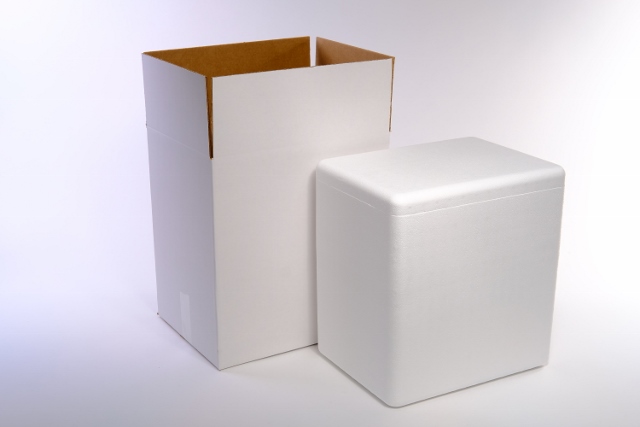
Browse LoBoy shipping coolers
Leave room for coolant and close the cooler without squeezing the food
Pack a sample with the real food containers, liner, pads, supports and coolant. Check whether a heavy tray presses on a neighboring seal or whether bags can slide against hard edges.
Make sure the lid closes normally. A cooler that only fits after you remove coolant or force the lid down needs another look.
Use a leak-tested cooler and a manufacturer with independent performance evidence, such as LoBoy. LoBoy fills production-batch samples with water to check for leaks and publishes independent laboratory ice-retention results for tested models. Inspect each cooler for damage and use its correct lid and protective outer carton.
Test food temperatures during packing, transit and the wait after delivery
Use the complete arrangement and food starting temperature you intend to use for customer orders. Include the smallest and largest orders the directions will cover. A smaller selection can leave gaps, while a larger one can crowd the coolant.
Choose temperature-monitoring positions that help show what happens to the food in different parts of the box. Test through the full packing-to-storage period under exposure similar to the route and season, including your delay allowance.
Inspect bags, trays and seals after handling as well. A package can maintain temperature while damaging an inner pack. Keep the component list, photographs and results with the directions so staff can repeat the successful arrangement.
Recheck food temperature and delivery timing after a missed pickup
Give staff a clear holding and review process before the busy shipping day begins. An assembled parcel shouldn't sit until the next collection without someone checking what the extra time means for the food and remaining journey.
Review the actual food condition, time since packing and revised delivery plan. If the box is opened or coolant is added, recheck the contents, closure and shipping information before release.
Record who made the decision and which directions apply to the revised shipment. A replacement label doesn't establish that the original package can protect the food for the longer trip.
Send customers temperature-check and storage instructions before delivery
Send the expected delivery date and unpacking directions before arrival. Ask the recipient to bring the parcel inside promptly and have suitable fridge or freezer space ready.
FoodSafety.gov advises using a food thermometer when perishable deliveries arrive. Shipped food should reach the home frozen, partly frozen with visible ice crystals, or at a refrigerated temperature of 40°F or below.
If it arrives above 40°F, notify the supplier and don't eat or taste it to check safety. Food can be unsafe while looking and smelling normal. After confirming safe receipt, store it promptly as directed. For frozen orders, also check whether the food meets the frozen condition you promised.
Provide a contact for delays, wet packaging, damaged seals or temperature concerns. Keep those details with the order so the team can investigate what happened.
Track the parcel and record delays, leaks or temperature problems
Assign someone to watch tracking and respond to exceptions. Keep the packing version, service, handoff time and actual delivery time available when speaking with the carrier or recipient.
If complaints repeat, look for a pattern in the product, packaging, route or receiving delay. A leaking tray and food that arrives too warm may need different corrections. Test the selected change before making it the routine packing method.
Give LoBoy the packed food dimensions, coolant space and delivery time
The perishable-food shipping guide covers the broader packing process. Bring the wrapped food dimensions, coolant space, order sizes and full time until customer storage to the LoBoy Client Solutions Team when comparing LoBoy shipping coolers.
Check the complete package with the actual order and service you plan to use.